

The creation of a new dwelling represents a significant undertaking for most homeowners. The journey from an abstract idea to a tangible structure involves numerous stages, each requiring specialized knowledge and careful execution. In Richmond, ASD4Design offers a structured approach to residential design, guiding clients through this multi-faceted process. This article outlines the typical stages of residential design, emphasizing the role of a design firm in navigating the complexities of construction.
The initial phase of any residential project is crucial, acting as the bedrock upon which the entire design is built. This stage involves extensive dialogue and information gathering to translate a homeowner’s aspirations into a workable brief.
Initial Consultation and Needs Assessment
The process begins with an introductory meeting between the homeowner and ASD4Design. This is not merely a formality but an essential opportunity for mutual understanding. During this consultation, the homeowner articulates their vision, preferences, and lifestyle requirements. Consider this stage as the “briefing room” where the mission parameters are established. Key areas of discussion typically include:
- Project Scope: Is it a new build, an extension, or a significant renovation? Understanding the scale of the undertaking is paramount.
- Aesthetic Preferences: Discussion of desired architectural styles, material palettes, and overall ambiance. Homeowners might share inspirational images, magazine clippings, or links to online portfolios.
- Functional Requirements: How will the space be used? This includes the number of bedrooms, bathrooms, entertaining areas, work-from-home provisions, and specific needs like accessibility features or specialized hobby spaces.
- Budgetary Framework: A realistic discussion about the financial parameters of the project. This early transparency helps in setting achievable expectations and tailoring design solutions accordingly.
- Timeline Expectations: An initial discussion of desired project completion dates, acknowledging that these are often subject to revision as the project evolves.
At this juncture, ASD4Design will also gather information about the existing site, if applicable. This includes understanding zoning regulations, potential easements, and any unique characteristics of the land that might influence design decisions.
Feasibility Study and Site Analysis
Following the initial consultation, a more in-depth feasibility study and site analysis are conducted. This involves a critical examination of the site’s potential and limitations. Think of this as performing a “diagnostic scan” before any surgical procedure. Key aspects include:
- Zoning and Building Codes: Research into local Richmond planning regulations, setbacks, height restrictions, and allowable building envelopes. This ensures that the proposed design will be compliant from the outset, avoiding costly revisions later.
- Topography and Geology: Understanding the site’s slope, soil conditions, and water runoff patterns. These factors significantly impact foundation design, drainage, and landscaping.
- Solar Orientation and Views: Analyzing the sun’s path throughout the day and year to optimize passive heating and cooling strategies, natural light ingress, and capitalizing on desirable views while mitigating undesirable ones.
- Existing Infrastructure: Assessment of existing utilities (water, sewer, electricity, gas) and their capacity to support the proposed development.
- Environmental Considerations: Identification of any protected trees, waterways, or other ecological features that require special consideration or mitigation strategies.
The output of this phase is a comprehensive understanding of the site’s inherent characteristics and the regulatory landscape, informing the initial design parameters and ensuring that the subsequent design work is grounded in reality.
In the article “From Concept to Construction: The Richmond Residential Design Process Explained,” the importance of a structured design approach is highlighted, showcasing how ASD4Design guides homeowners every step of the way. This comprehensive support ensures that clients are well-informed and engaged throughout the entire process, from initial ideas to the final build. For more insights into how ASD4Design facilitates this journey, you can read more about their services here.
The Design Development Phase: Shaping the Vision
With a clear understanding of the project’s parameters and site constraints, the design moves into a more concrete phase where ideas begin to take physical form. This stage is iterative, involving ongoing feedback and refinement.
Schematic Design
Schematic design is where the abstract ideas from the conception phase are first translated into preliminary drawings. This is comparable to an artist sketching the initial composition before adding detail. ASD4Design will typically produce:
- Floor Plans: Basic layouts indicating room sizes, relationships between spaces, and circulation paths.
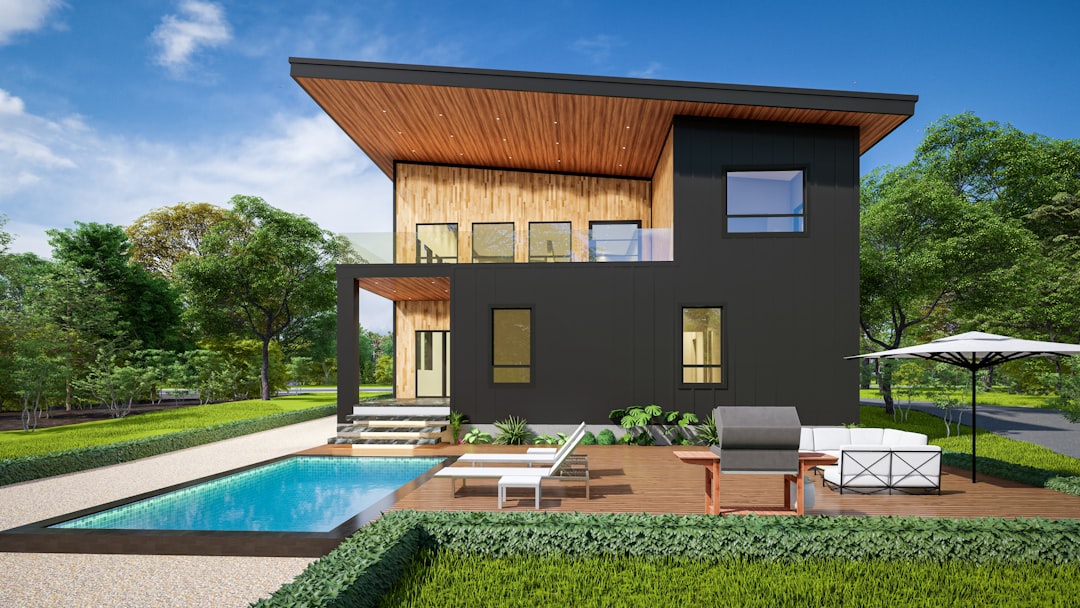
- Elevations: exterior views showing the proposed massing, window and door placements, and general architectural style.
- 3D Massing Studies: Simple three-dimensional representations to help homeowners visualize the bulk and form of the building in relation to the site.
At this stage, the focus is on exploring different options and ensuring that the conceptual design aligns with the homeowner’s initial vision and functional requirements. Multiple iterations may be presented, allowing for discussion and adjustments. This is the time for broad strokes, not intricate minutiae.
Design Development and Material Selection
Once a schematic direction is approved, the design moves into a more detailed phase. This is where the “bones” of the design gain flesh and character. ASD4Design will refine the approved schematic drawings, incorporating more specific details and commencing material selections. This involves:
- Refined Floor Plans and Elevations: More accurately scaled and dimensioned drawings, detailing wall thicknesses, door and window swings, and built-in elements.
- Interior Design Concepts: Initial explorations of interior finishes, lighting strategies, and fixture selections. This could include mood boards, sample materials, and preliminary furniture layouts.
- Exterior Material Palette: Selection of exterior cladding, roofing, window types, and landscaping elements. Consideration is given to durability, aesthetics, and contextual appropriateness.
- Structural Considerations: Preliminary discussions with structural engineers to ensure the design is feasible and efficient.
- Energy Efficiency Strategies: Integration of passive design principles, insulation specifications, and consideration of active systems where desired (e.g., solar panels, efficient HVAC).
Throughout this process, ASD4Design acts as a curator, presenting options and guiding the homeowner through the often-overwhelming array of choices. The goal is to develop a cohesive design that is both aesthetically pleasing and functionally robust.
The Documentation Phase: Blueprint for Construction
With the design firmly established, the next critical step is to translate that design into a comprehensive set of documents that can be used for construction and permitting. This is comparable to writing the detailed “instruction manual” for assembling a complex machine.
Construction Drawings
Construction drawings are the backbone of any building project. They are highly technical documents that provide precise instructions for builders. ASD4Design produces a comprehensive set, typically including:
- Architectural Drawings: Detailed floor plans, elevations, sections, and critical details that illustrate every aspect of the building’s design. These drawings specify dimensions, materials, and methods of construction.
- Structural Drawings: Produced by a structural engineer, these drawings detail the foundations, framing, and load-bearing elements of the structure.
- Mechanical, Electrical, and Plumbing (MEP) Drawings: These schematics show the layout and specifications for heating, ventilation, air conditioning, electrical systems (lighting, power outlets), and plumbing fixtures and lines.
- Landscape Drawings: If included in the scope, these drawings detail hardscaping, planting plans, and irrigation systems.
These drawings must be meticulously accurate and coordinated across disciplines to prevent conflicts during construction. ASD4Design plays a key role in managing this coordination.
Specifications and Schedules
Beyond the drawings, written specifications provide crucial information about the quality of materials, installation procedures, and performance requirements. These might include:
- Material Specifications: Detailed descriptions of all selected materials, including brand names, product codes, and performance standards.
- Workmanship Standards: Guidelines for the quality of construction and installation.
- Door and Window Schedules: Comprehensive lists detailing every door and window, including dimensions, types, hardware, and finishes.
- Finish Schedules: Tables outlining interior and exterior finishes for each space.
These documents, together with the construction drawings, form a complete package that contractors use to price the project and execute the build.
Permitting and Approvals
Before any physical construction can commence, the design must receive approval from local authorities. This involves submitting the complete set of construction documents to the relevant Richmond municipal departments for permits. ASD4Design assists homeowners in navigating this often-complex process by:
- Preparing and Submitting Documentation: Ensuring all required drawings and forms are correctly completed and submitted.
- Responding to RFI’s (Requests for Information): Addressing any questions or concerns raised by planning officials or building inspectors.
- Negotiating Design Modifications (if necessary): If authorities require modifications to meet codes or planning requirements, ASD4Design will guide the homeowner through these changes.
This stage can be unpredictable, with review times varying. ASD4Design acts as an intermediary, streamlining communication and advocating on behalf of the homeowner to secure the necessary approvals.
The Construction Phase: Realization of the Design

Once permits are secured, the project transitions from paper to physical form. While ASD4Design’s primary role is design, their involvement often extends into the construction phase to ensure the design intent is maintained.
Contractor Selection and Tendering
Selecting the right contractor is as vital as the design itself. ASD4Design can assist homeowners in this critical step:
- Generating a Bid Package: Preparing the complete set of construction drawings and specifications for contractors to bid on.
- Identifying Qualified Contractors: Recommending reputable contractors known for quality work and reliability in the Richmond area.
- Facilitating the Tendering Process: Managing the distribution of bid documents, coordinating site visits for potential contractors, and answering contractor queries during the bidding period.
- Bid Analysis and Negotiation: Helping homeowners review and compare bids, clarifying discrepancies, and assisting in negotiations to secure the best value.
The selection of a contractor is a collaborative decision, with ASD4Design providing professional guidance to the homeowner.
Construction Administration
Throughout the construction phase, ASD4Design offers construction administration services. This presence is not about dictating every move but ensuring fidelity to the approved design. Consider the designer as a “quality control inspector” for the aesthetic and functional vision. Key services typically include:
- Site Visits: Regular visits to the construction site to monitor progress, observe the quality of workmanship, and ensure adherence to the construction documents.
- Responding to RFI’s (Requests for Information): Clarifying design intent and providing solutions for unforeseen site conditions or contractor questions.
- Reviewing Shop Drawings and Submittals: Examining detailed drawings produced by subcontractors for specific components (e.g., cabinetry, windows) to ensure they comply with the design specifications.
- Change Order Management: If modifications to the design or scope become necessary during construction (due to unforeseen conditions, client preferences, or material availability), ASD4Design assists in documenting and managing these changes, evaluating their impact on cost and schedule.
- Punch List and Project Closeout: Conducting final inspections to identify any deficiencies or incomplete items (the “punch list”) and verifying that all work meets the specified standards before final payment and project closeout.
This ongoing oversight by ASD4Design helps mitigate risks, resolve issues promptly, and ensure the final built product accurately reflects the meticulously developed design.
In the journey of transforming a vision into a tangible home, understanding the intricacies of the design process is crucial. A related article that delves deeper into this topic is “From Concept to Construction: The Richmond Residential Design Process Explained.” This piece highlights how ASD4Design guides homeowners every step of the way, ensuring that each phase of the project is seamless and tailored to individual needs. By fostering clear communication and providing expert insights, ASD4Design empowers clients to make informed decisions, ultimately leading to a successful and satisfying home-building experience. For more information on how they can assist you, feel free to reach out through their contact page.
Post-Construction and Beyond: The Legacy of Design
| Stage | Description | Key Metrics | ASD4Design Role |
|---|---|---|---|
| Concept Development | Initial ideas and vision setting for the residential project. | Client meetings: 3-5 Concept drafts: 2-3 | Facilitates brainstorming sessions and refines client vision. |
| Design Planning | Creating detailed architectural plans and layouts. | Design iterations: 4-6 Compliance checks: 100% | Ensures plans meet local codes and client needs. |
| Permitting & Approvals | Securing necessary permits and regulatory approvals. | Permit applications submitted: 1 Approval time: 4-8 weeks | Guides homeowners through paperwork and follow-ups. |
| Construction | Building the residential structure according to plans. | Project duration: 6-12 months Site visits: Bi-weekly | Coordinates contractors and monitors progress. |
| Final Inspection & Handover | Ensuring quality and client satisfaction before move-in. | Inspection passes: 100% Client walkthroughs: 2 | Conducts final checks and addresses any issues. |
The completion of construction is not always the absolute end of the design firm’s involvement. The true measure of a successful design is how it performs over time.
Project Handover and Occupancy
Upon completion of construction and resolution of all punch list items, the building is officially handed over to the homeowner. This final stage typically involves:
- Final Walkthrough: A comprehensive inspection with the homeowner and contractor to ensure satisfaction with all aspects of the project.
- Documentation Handover: Provision of warranties, operating manuals for equipment, and as-built drawings (if any significant deviations occurred during construction).
- Consultation on Maintenance: Initial guidance on the care and maintenance of specific materials or systems within the new home.
ASD4Design ensures that the transition from construction site to functional home is as smooth as possible for the homeowner.
Future Considerations and Long-Term Relationship
The relationship between homeowner and design firm can extend beyond the immediate project. As a homeowner inhabits their new space, new needs or desires may emerge. ASD4Design remains a resource for:
- Future Renovations or Additions: If needs change over time, the firm that designed the original structure is uniquely positioned to understand its DNA and propose sympathetic and effective modifications.
- Consultation on Performance: Addressing any questions regarding the energy performance, material durability, or functionality of the home as it matures.
- Professional Referrals: Providing recommendations for specialists such as landscape architects, interior decorators, or specific trades as the homeowner’s needs evolve.
In conclusion, the residential design process in Richmond, as guided by ASD4Design, is a methodical journey from an initial concept to a finished construction. It is a process that demands communication, attention to detail, and expertise at every turn. By segmenting the journey into distinct phases – Conception, Design Development, Documentation, and Construction – and providing comprehensive guidance within each, ASD4Design aims to demystify the complexities of building and ensure a coherent and successful outcome for homeowners. The firm acts as a reliable navigator, charting a course through the intricate landscape of design, regulation, and construction, allowing homeowners to confidently realize their architectural aspirations.
FAQs
What is the Richmond Residential Design Process?
The Richmond Residential Design Process is a structured approach to designing and constructing homes in Richmond. It involves several stages, from initial concept development to final construction, ensuring that the homeowner’s vision is accurately realized.
How does ASD4Design assist homeowners during the design process?
ASD4Design guides homeowners through every step of the residential design process, offering expert advice, personalized design solutions, and project management support to ensure a smooth transition from concept to construction.
What are the key stages involved in the residential design process?
The key stages typically include initial consultation, concept development, design refinement, obtaining necessary permits, and overseeing the construction phase to completion.
Why is it important to have professional guidance during home design and construction?
Professional guidance helps homeowners navigate complex design decisions, regulatory requirements, and construction challenges, reducing risks, saving time, and ensuring the final home meets quality and aesthetic standards.
Can homeowners customize their designs with ASD4Design?
Yes, ASD4Design works closely with homeowners to tailor designs according to their preferences, lifestyle needs, and budget, ensuring a personalized and functional living space.