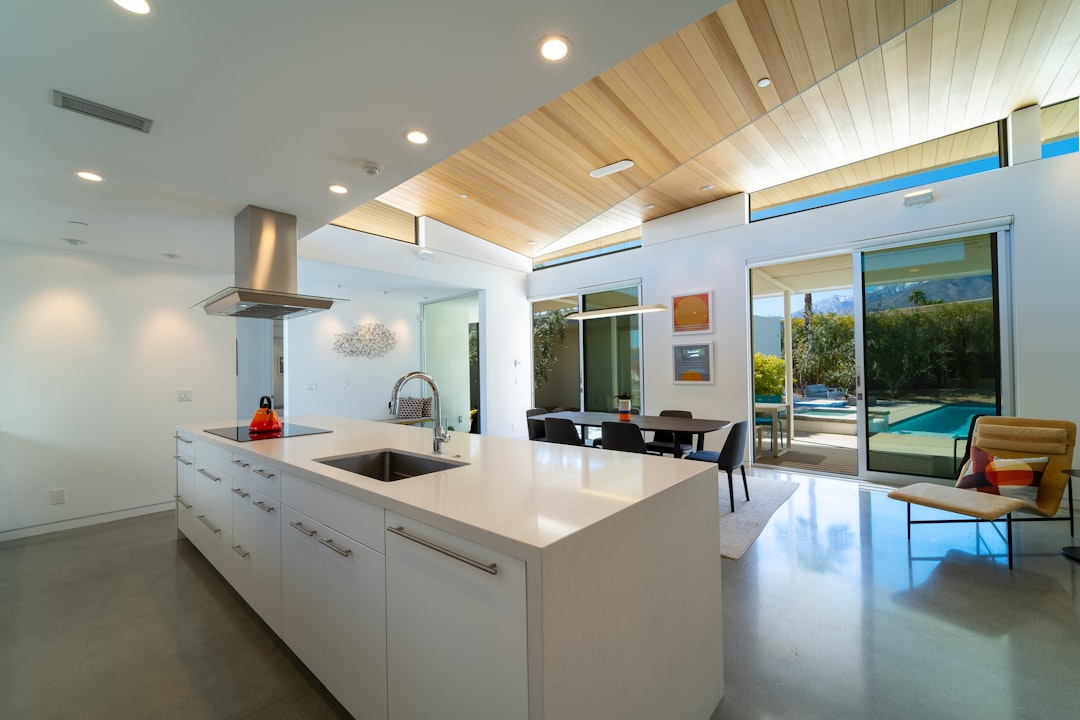

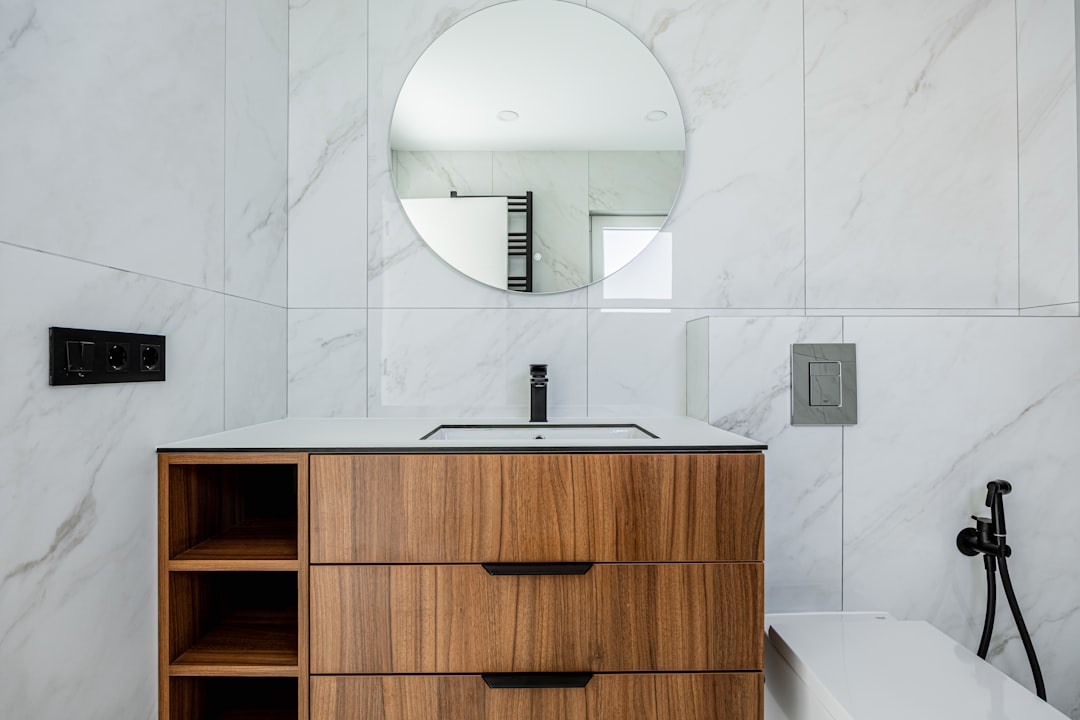
The challenge of maximizing space in residential bathrooms, particularly within the context of smaller homes found in areas like Richmond, is a persistent design concern. Limited square footage often necessitates creative solutions to enhance perceived spaciousness and functional efficiency. This article explores various bathroom design strategies that can create an illusion of greater size, and examines how the architectural and interior design firm ASD4Design can contribute to achieving these outcomes through thoughtful layout and lighting considerations.
The inherent limitations of small bathrooms are multifaceted. They often involve restricted floor space, which curtails the placement of fixtures and furniture. Additionally, a lack of natural light can contribute to a feeling of confinement. Furthermore, existing plumbing and structural elements can impose rigid constraints on design possibilities, making seemingly simple modifications complex.
The Impact of Scale and Proportion
In a small bathroom, scale and proportion are critical. Overly large fixtures or decorative elements can overwhelm the space, making it appear even smaller. Conversely, diminutive items, while fitting into the footprint, may feel insignificant and fail to provide adequate functionality or aesthetic appeal. The designer’s task is to find a harmonious balance.
Identifying Common Pitfalls in Small Bathroom Layouts
Several common mistakes hinder the feeling of spaciousness in small bathrooms. These include:
Cluttered Vanities and Storage
A disorganized vanity area, with toiletries and accessories scattered, contributes significantly to a feeling of mess and a lack of space. Insufficient or poorly integrated storage solutions are a primary culprit.
Inefficient Fixture Placement
The placement of the toilet, sink, and shower or bathtub can dramatically affect the flow and perceived openness of the room. An awkward arrangement can create dead zones or restrict movement.
Dark and Uninviting Aesthetics
A lack of light, coupled with dark color palettes and heavy materials, can make a small bathroom feel like a cave rather than a functional and pleasant space.
If you’re looking to enhance the feeling of space in your small Richmond home, you might find inspiration in the article on designing outdoor living spaces that extend the home. By incorporating thoughtful layout and lighting strategies, ASD4Design can help you rethink your bathroom design to create an illusion of openness and tranquility. For more insights, check out the article here: Designing Outdoor Living Spaces That Extend the Home.
Strategies for Enhancing Perceived Space
Numerous design principles can be applied to combat the feeling of a cramped bathroom. These strategies focus on manipulating visual cues and optimizing the use of available space.
The Power of Light and Reflection
Lighting is arguably the most potent tool in expanding a small space visually. Natural light, when available, should be maximized. Artificial lighting, when implemented thoughtfully, can mimic natural illumination and create depth.
Maximizing Natural Light
- Clear or Frosted Glass: Using clear or frosted glass for shower enclosures instead of opaque curtains allows light to pass through, illuminating the entire bathroom.
- Translucent Materials: Incorporating translucent materials in partitions or even as part of the vanity can diffuse light and spread it throughout the room.
- Strategic Window Placement: If renovations allow, consider widening or repositioning windows to allow more daylight to penetrate.
Effective Artificial Lighting Techniques
- Layered Lighting: Employing multiple light sources, such as ambient ceiling lights, task lighting around the vanity, and accent lighting, creates a more dynamic and expansive feel.
- Wall Sconces: Instead of a single overhead fixture, wall sconces flanking the vanity can provide more even and flattering light, while also breaking up large vertical surfaces.
- Recessed Lighting: Strategically placed recessed lights can provide general illumination without taking up visual or physical space.
- Uplighting: Directing light upwards can draw the eye towards the ceiling, creating an illusion of height.
Color Palettes and Material Choices
The selection of colors and materials plays a significant role in how a space feels. Light and reflective surfaces tend to expand a room, while dark and matte finishes can absorb light and make a space feel smaller.
Light and Airy Color Schemes
- Whites and Off-Whites: These classic choices are highly effective at reflecting light and making surfaces appear to recede.
- Pastel Tones: Soft blues, greens, and other muted pastels can also contribute to a sense of openness without feeling sterile.
- Monochromatic Palettes: Using varying shades of a single color can create a cohesive and seamless look, preventing visual clutter.
The Role of Reflective Surfaces
- Mirrors: The quintessential tool for expanding space, mirrors create the illusion of a larger room by reflecting light and views.
- Glossy Tiles: High-gloss ceramic or porcelain tiles on walls and floors can bounce light around the room, enhancing its brightness.
- Polished Metals: Fixtures and hardware in polished chrome or brushed nickel can add a subtle reflective quality.
In exploring innovative ways to enhance the feeling of space in small Richmond homes, you might find inspiration in the article on seamless home additions. By rethinking layout and lighting, ASD4Design can help you create a bathroom that not only maximizes functionality but also gives the illusion of a larger area. Their expertise in design allows for clever use of mirrors, strategic lighting placements, and open layouts that can transform your small bathroom into a more inviting and spacious retreat. For more insights on planning your space effectively, check out this helpful resource on home additions.
Optimizing Layout and Flow
The arrangement of fixtures and the overall layout of the bathroom are paramount for functionality and the perception of spaciousness.
The Importance of Clear Pathways
- Unobstructed Movement: Ensuring clear, unhindered pathways between the door, vanity, and shower/tub is crucial for a sense of ease and openness.
- Avoiding Visual Obstacles: Placing large fixtures directly in the line of sight from the entrance can make the room feel immediately smaller.
Smart Placement of Key Fixtures
- Vanity Selection: Opting for wall-mounted vanities with open shelving underneath can make the floor appear more continuous and the room feel larger. Pedestal sinks also offer a more minimalist footprint.
- Shower Enclosures: Glass-enclosed showers, especially frameless designs, create an unbroken visual plane, making the room feel more expansive than a tub/shower with curtains.
Storage Solutions That Disappear
Effective storage is not about adding more cabinets, but about integrating them seamlessly and intelligently to avoid visual clutter.
Integrated and Concealed Storage
- Recessed Niches: Building niches into walls for toiletries and decorative items can provide storage without encroaching on floor space.
- Vanity Drawers and Pull-Outs: Well-organized drawers within a vanity are more efficient and aesthetically pleasing than open shelving for many items.
- Over-the-Toilet Units: These can offer valuable storage space without a significant footprint, but should be chosen for their aesthetic integration.
Vertical Storage Maximization
- Tall, Narrow Cabinets: Utilizing vertical space with slim, tall storage units can house a substantial amount of items without dominating the room.
- Wall-Mounted Shelving: Discreet wall shelves can hold frequently used items or decorative elements, adding function without overwhelming the space.
How ASD4Design Can Assist in Small Bathroom Design
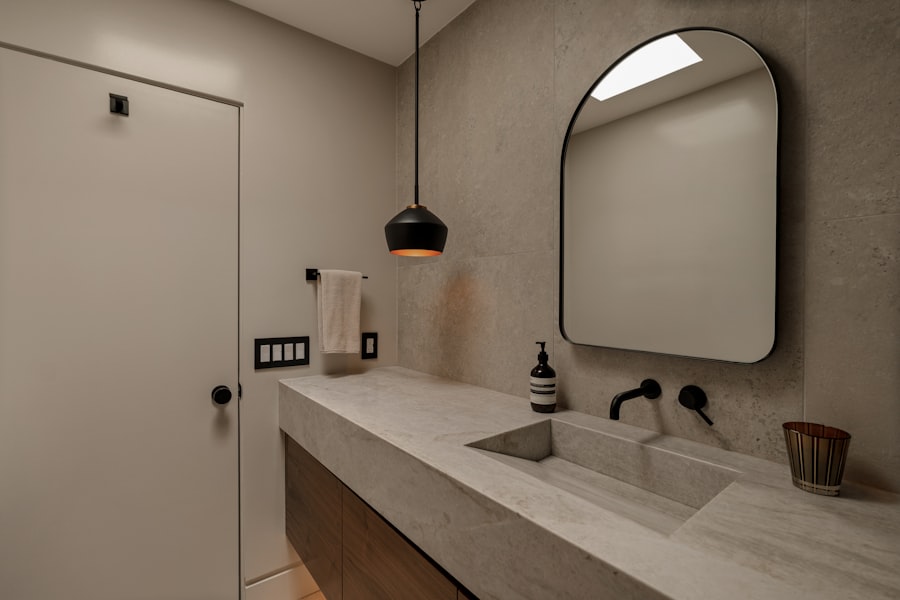
Architectural and interior design firms like ASD4Design specialize in addressing these very challenges. Their expertise lies in understanding the intricate relationship between space, light, materials, and functionality.
Rethinking Layout Through Professional Eyes
ASD4Design can offer a professional assessment of an existing bathroom layout, identifying inefficiencies that might not be apparent to a homeowner. They can propose alternative arrangements of fixtures that optimize flow and create a more open feel.
Customization and Bespoke Solutions
- Tailoring to Specific Needs: ASD4Design can design custom solutions for vanities, shower enclosures, and storage that are precisely tailored to the dimensions and requirements of a small bathroom.
- Maximizing Existing Structures: Their designers can identify opportunities to modify existing walls or incorporate built-in features that enhance space utilization without compromising structural integrity.
Navigating Fixture Selection Challenges
- Appropriate Scale and Style: ASD4Design can guide clients in selecting fixtures that are appropriately scaled for small bathrooms, ensuring they are both functional and aesthetically pleasing. This might involve advising on compact toilets, wall-mounted sinks, or appropriately sized shower bases.
Leveraging Lighting for Maximum Impact
The impact of lighting on perceived space is a core area of expertise for interior designers. ASD4Design can orchestrate lighting plans that transform a dim, cramped bathroom into a bright and airy sanctuary.
Developing a Comprehensive Lighting Scheme
- Functional and Aesthetic Integration: ASD4Design will develop a lighting scheme that goes beyond mere illumination. They will consider how light can highlight architectural features, create mood, and enhance the overall aesthetic of the bathroom.
- Energy Efficiency Considerations: Modern lighting solutions often integrate energy-efficient technologies, which can also be a consideration in their designs.
Expert Advice on Fixture Types and Placement
- Balancing Needs: ASD4Design can advise on the optimal types and placement of lighting fixtures to address specific needs, such as task lighting for grooming at the vanity, ambient lighting for the overall room, and accent lighting to draw attention to specific design elements.
- Installation Expertise: Understanding that proper installation is as crucial as selection, they can ensure that lighting fixtures are expertly fitted to achieve the desired effect.
Materiality and Decorative Elements for Illusion
Beyond layout and lighting, the choice of materials and decorative elements can significantly influence how a small bathroom is perceived. ASD4Design can curate these choices to enhance the feeling of spaciousness.
Intelligent Material Selection
- Flooring and Wall Coverings: ASD4Design can recommend flooring and wall materials that create a sense of continuity and spaciousness. For example, large-format tiles can reduce grout lines, creating a more expansive look.
- Surface Finishes: They can guide clients towards finishes that are not only durable and water-resistant but also contribute to the reflective qualities of the space.
Thoughtful Decorative Accents
- Minimizing Clutter: ASD4Design will advise on decorative elements that add personality without contributing to a cluttered aesthetic. This might involve carefully selected artwork or elegantly designed accessories.
- The Art of the Mirror: They can strategically incorporate mirrors of various sizes and shapes to maximize their reflective and space-enhancing properties.
Integrating Smart Technology and Storage
In contemporary design, integrating smart technology and optimizing storage are crucial for both functionality and aesthetic appeal. ASD4Design can ensure these aspects are addressed effectively in small bathrooms.
Seamless Technology Integration
- Smart Fixtures: From motion-activated faucets to temperature-controlled shower systems, ASD4Design can advise on smart bathroom technology that enhances convenience and can be aesthetically integrated.
- Hidden Electronics: They can assist in planning how to discreetly house any necessary electrical components or charging stations.
Beyond Conventional Storage
- Multi-functional Furniture: ASD4Design can explore furniture options that serve multiple purposes, such as a vanity with integrated seating or a medicine cabinet that doubles as a decorative mirror.
- Efficient Cabinetry Design: For built-in cabinetry, their designers can focus on maximizing internal space through clever drawer configurations and pull-out systems.
Collaboration and the Design Process
Engaging with a design firm like ASD4Design is a collaborative process. The designers work with clients to understand their aesthetic preferences, functional requirements, and budgetary constraints.
Understanding Client Needs and Vision
- Initial Consultations: ASD4Design would begin with detailed consultations to grasp the client’s aspirations for their small bathroom. This involves understanding their daily routines and how they use the space.
- Mood Boards and Conceptualization: The firm typically utilizes mood boards and concept development to visually communicate design directions and gather client feedback, ensuring the vision aligns with their preferences.
Iterative Design and Refinement
- Floor Plans and Elevations: ASD4Design will produce detailed floor plans and elevations, illustrating proposed layouts and fixture placements. These are reviewed and refined with the client.
- 3D Renderings: For a more tangible understanding, 3D renderings can be created to visualize the finished space, allowing for informed decisions before construction begins.
Project Management and Execution
- Coordination with Contractors: ASD4Design can oversee the construction phase, liaising with contractors and ensuring the design is implemented accurately and to a high standard.
- Problem-Solving During Construction: Inevitably, challenges can arise during renovations. ASD4Design is equipped to troubleshoot and find effective solutions to maintain the integrity of the design.
In conclusion, transforming a small bathroom into a space that feels larger and more functional is achievable through a combination of strategic design principles. By focusing on light, color, thoughtful layout, and integrated storage, even the most compact bathrooms can be revitalized. Firms like ASD4Design possess the expertise to navigate these complexities, offering tailored solutions that enhance both the aesthetics and practicality of small residential bathrooms in areas like Richmond, making the most of every square inch. Their role is not to simply decorate, but to reimagine spatial possibilities.
FAQs
1. How can bathroom design make a small Richmond home feel bigger?
Thoughtful bathroom design can maximize space by using clever layouts, light colors, and strategic lighting. Features like wall-mounted fixtures, large mirrors, and clear glass shower enclosures create an open, airy feel that visually expands the room.
2. What role does lighting play in enhancing small bathroom spaces?
Lighting is crucial in small bathrooms as it brightens the space and reduces shadows, making the room appear larger. Layered lighting, including ambient, task, and accent lights, can highlight design elements and improve functionality.
3. How can ASD4Design assist with bathroom layout and lighting?
ASD4Design offers expert consultation to rethink bathroom layouts for optimal space utilization. They provide tailored lighting plans that enhance natural light and incorporate modern fixtures, helping small Richmond homes feel more spacious and comfortable.
4. Are there specific design ideas recommended for small bathrooms in Richmond homes?
Yes, design ideas include using light, neutral colors, installing floating vanities, incorporating large mirrors, and choosing compact fixtures. ASD4Design also suggests maximizing vertical storage and using glass partitions to maintain openness.
5. Can remodeling a bathroom increase the overall value of a small Richmond home?
Absolutely. A well-designed bathroom that feels larger and more functional can significantly boost a home’s appeal and market value. Professional design services like those from ASD4Design ensure the remodel is both stylish and space-efficient.