

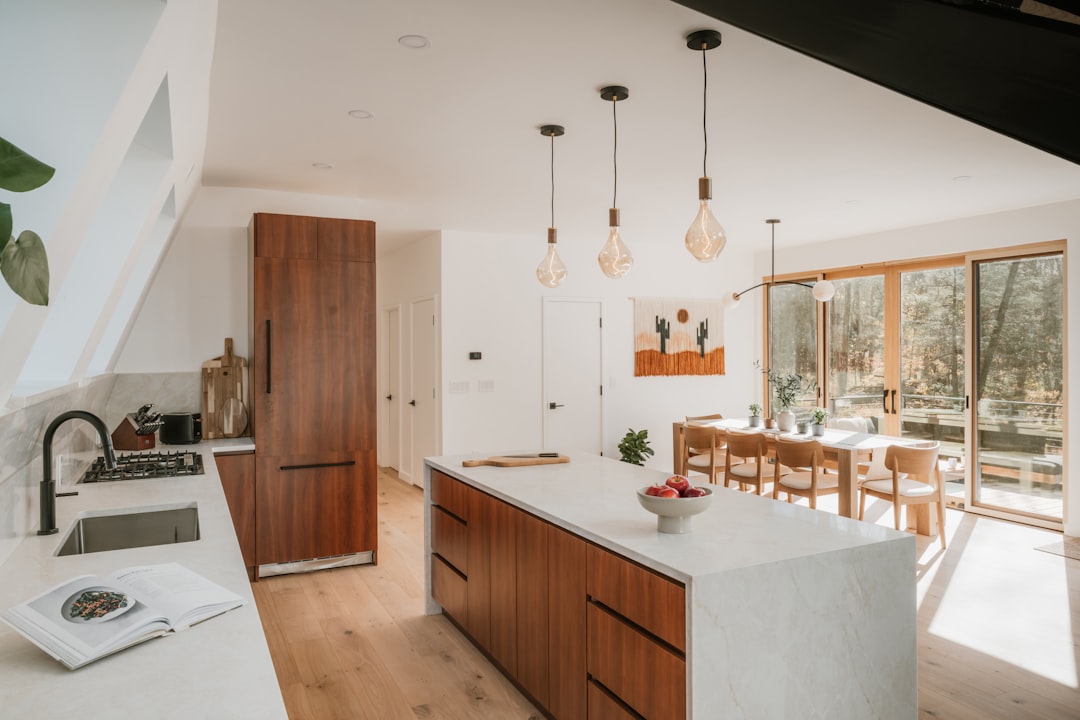
Open concept kitchen designs have gained significant traction in residential architecture, particularly in areas like Richmond. This design approach integrates the kitchen with adjacent living or dining spaces, breaking down traditional room divisions. The shift towards open concepts is influenced by evolving lifestyles that favor social interaction and a perceived expansion of living areas. This article will explore the advantages and disadvantages of open concept kitchen designs in Richmond, offer planning tips for homeowners, and examine how a design firm like ASD4Design can assist in achieving both aesthetic flow and practical functionality.
The traditional home layout that segregated kitchen, dining, and living areas has gradually yielded to more integrated designs. This evolution is particularly noticeable in Richmond, a city with a diverse housing stock and a community that often embraces modern living trends. Homeowners are increasingly seeking spaces that facilitate a communal atmosphere, where cooking and entertaining can occur simultaneously without isolation. The open concept kitchen is the embodiment of this desire. It offers a visual and physical connection between spaces, fostering a sense of spaciousness and modern living. This design strategy is not merely an aesthetic choice; it reflects a fundamental change in how people utilize their homes, prioritizing flexibility and interaction.
Historical Context of Kitchen Design Evolution
Historically, the kitchen was often situated at the rear of a home, a functional space separate from the more public areas. This was partly due to practical considerations such as ventilation, noise, and the perception of the kitchen as a purely utilitarian zone. As domestic life evolved and suburban living became more common, the kitchen began to inch closer to the center of the home. The advent of more sophisticated appliances and a greater emphasis on home entertaining gradually led to the kitchen becoming a more visible and integrated part of the overall dwelling. The open concept is the latest chapter in this ongoing narrative of domestic spatial organization.
Factors Driving Open Concept Adoption in Richmond
Several factors contribute to the popularity of open concept kitchen designs in Richmond. The city’s demographic makeup, which includes a mix of young families and professionals, often favors homes that can adapt to various social and functional needs. The desire for larger, more cohesive living areas is a common aspiration. Furthermore, the real estate market in Richmond often rewards renovations that enhance perceived space and modernity, making open concept kitchens a sound investment for homeowners. The trend is also fueled by media portrayals of modern living and the desire to emulate aesthetically pleasing interior designs seen in magazines and online platforms.
Open concept kitchen design has gained popularity in Richmond, offering a modern aesthetic and a sense of spaciousness. However, it comes with its own set of pros and cons, which are essential to consider when planning your space. For homeowners looking to create a seamless flow without sacrificing functionality, ASD4Design provides expert guidance and innovative solutions. Their approach ensures that every element of the design works harmoniously together, enhancing both the visual appeal and practicality of the kitchen. To learn more about their process and how they can help you achieve your dream kitchen, visit ASD4Design.
Advantages of Open Concept Kitchen Design
The appeal of an open concept kitchen lies in its ability to create a more unified and engaging living environment. By removing walls, a sense of spaciousness is immediately apparent, making smaller homes feel larger and allowing natural light to permeate further into the house. This design approach democratizes the kitchen, transforming it from a place of solitary labor into a social hub.
Enhanced Social Interaction and Family Cohesion
One of the most significant benefits of an open concept kitchen is its capacity to foster a greater sense of connection between family members and guests. When the kitchen is integrated with the living and dining areas, the cook is no longer isolated. This allows for conversations to flow, children to be supervised while engaging in homework or play, and guests to feel included in the preparation of meals or simply in the general atmosphere. It turns the kitchen into the heartbeat of the home, a place where daily life unfolds collaboratively. Imagine a family gathering; instead of one person being confined to a separate room, everyone can be part of the action.
Improved Natural Light and Perceived Space
Removing internal walls allows natural light to travel more freely throughout the connected spaces. This can significantly brighten the entire area, making it feel more welcoming and airy. The visual continuity also creates the illusion of a larger footprint. What might have felt like three distinct, cramped rooms can, with an open concept design, feel like one expansive and elegant area. This effect can be particularly impactful in older homes or those with smaller floor plans. The reduction of visual barriers is akin to untying a knot, allowing for a smoother and more expansive visual experience.
Greater Flexibility in Furnishing and Layout
An open concept layout offers more freedom when it comes to furniture placement and the overall arrangement of the living space. Traditional room divisions can dictate furniture placement, creating rigid zones. In an open concept, homeowners can create distinct functional zones using furniture, rugs, or even subtle variations in flooring or ceiling treatments, while maintaining a cohesive flow. This flexibility allows for a more dynamic and adaptable living environment that can be reconfigured as needs change. For instance, a large island can serve as a breakfast bar, a workspace, and a focal point for social gatherings within the open area.
Disadvantages and Challenges of Open Concept Kitchens
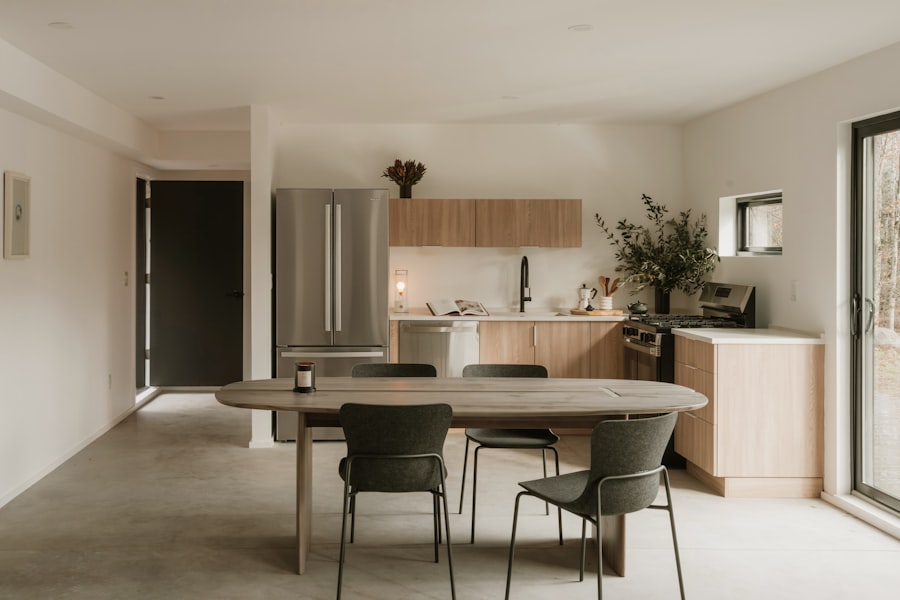
While the advantages of open concept kitchens are compelling, it is essential to acknowledge their potential drawbacks. These designs are not a universal solution and can present challenges if not carefully planned. The perceived benefits can sometimes mask practical issues that may arise.
Noise and Odor Transmission
A significant concern with open concept designs is the increased transmission of noise and cooking odors. Kitchen activities, such as the whirring of blenders, the clatter of dishes, or the sizzle of frying food, can become disruptive to those in adjacent living or dining areas. Similarly, strong cooking smells can permeate the entire open space, which may be undesirable for some homeowners or during specific activities like entertaining guests. Effective ventilation systems become paramount in mitigating these issues. The open space acts like a grand hall where sounds and scents travel unimpeded.
Loss of Defined Functional Zones
While flexibility is an advantage, the lack of clearly defined boundaries can also be a drawback. In a traditional layout, each room has a distinct purpose. An open concept can blur these lines, leading to a cluttered appearance if not managed well. For example, the dining area might become an extension of the living room for casual lounging, or the kitchen counter could be used as a perpetual workspace, detracting from its primary function. Maintaining a sense of order and visual separation between zones requires thoughtful design and organization.
Potential for Clutter and Maintenance Demands
The interconnectedness of an open concept means that any clutter in one area is immediately visible to all. This can create a constant pressure to maintain tidiness throughout the entire open space. Dishes left on the counter, mail piled on the island, or toys scattered in the living area become more noticeable and can detract from the overall aesthetic and sense of calm. This can require a higher level of discipline and organization from the occupants to keep the space looking its best. The open space, much like a stage, requires constant upkeep to maintain its appearance.
Planning an Effective Open Concept Kitchen Design
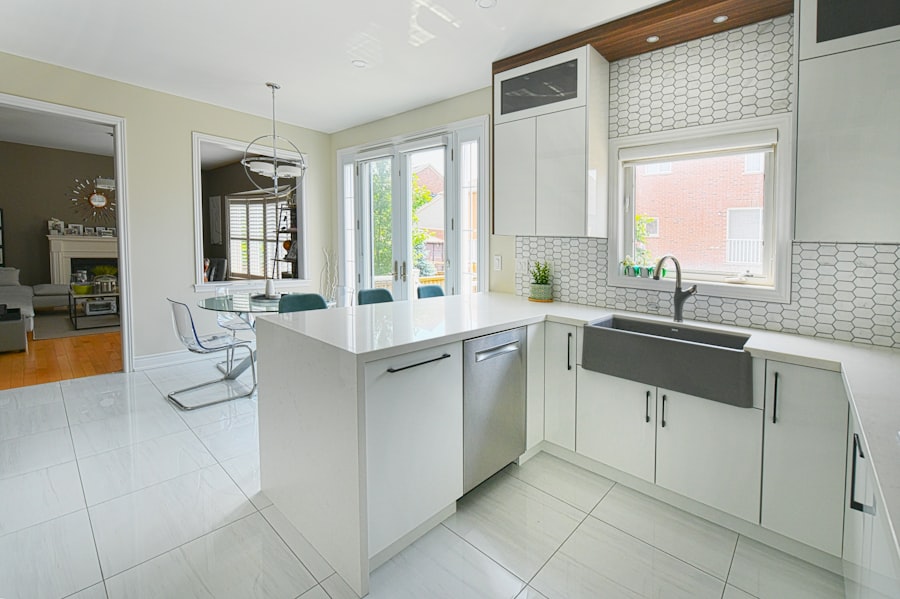
Creating a successful open concept kitchen requires meticulous planning. It is not simply a matter of knocking down walls; it involves a thoughtful consideration of how the various spaces will interact and function together. A well-executed plan ensures that the design enhances, rather than detracts from, the homeowner’s lifestyle.
Defining Functional Zones Within the Open Space
The key to a successful open concept is defining distinct functional zones without the use of walls. This can be achieved through various design elements.
Strategic Furniture Placement
Furniture can act as a natural divider. A sofa can delineate the living area from the dining or kitchen space. A well-placed dining table can anchor the dining zone. The arrangement of seating in the living area can create a sense of enclosure and focus.
The Humble Rug as a Space Delineator
Area rugs are incredibly effective tools for visually separating zones. A rug under the dining table clearly designates the dining area, while a larger rug in the living room defines that Seating arrangement. This adds texture and color while providing a subtle cue to the intended use of the space.
Lighting as a Zone Creator
Different types of lighting can highlight and define specific areas. Pendant lights over an island or dining table draw attention to those zones and suggest their purpose. Recessed lighting can provide ambient illumination for the entire open area, while task lighting is crucial for the kitchen workspace.
The Role of the Kitchen Island or Peninsula
The kitchen island or peninsula is often the central element in an open concept design, acting as a bridge between the kitchen and the surrounding living areas. It serves multiple purposes and can be crucial for both function and aesthetics.
Versatility of Islands and Peninsulas
Islands can incorporate seating, providing a casual spot for breakfast or snacks, and serving as a visual barrier between the kitchen and living areas. They can also house sinks, stovetops, or extra counter space, enhancing the kitchen’s functionality. Peninsulas offer a similar effect, connecting the kitchen to another room with seating on one side.
Integrating Storage Solutions
Careful planning of island or peninsula design is essential for maximizing storage. Drawers, cabinets, and open shelving can be incorporated to keep the space organized and reduce visible clutter. This is particularly important in an open concept where every item is on display.
Material Selection and Visual Harmony
Choosing the right materials is vital for creating a cohesive and aesthetically pleasing open concept design. The materials used in the kitchen should complement those in the adjacent living and dining areas.
Flooring Continuity
Using the same flooring material throughout the open space can enhance the sense of flow and unity. This creates a seamless transition and makes the entire area feel larger.
Color Palette and Finishes
A consistent color palette across the different zones helps to tie the space together. While variations are possible, a harmonious selection of colors and finishes for cabinetry, countertops, furniture, and decor will contribute to a cohesive look.
Open concept kitchen design has become increasingly popular in Richmond, offering a modern aesthetic that promotes social interaction and a sense of spaciousness. However, homeowners often face challenges in balancing flow and functionality within this layout. A related article discusses the pros, cons, and planning tips for achieving the perfect open concept kitchen. ASD4Design specializes in helping homeowners navigate these challenges by creating designs that enhance flow without sacrificing essential functionality. Their expertise ensures that every element of the kitchen works harmoniously, resulting in a space that is both beautiful and practical. To learn more about their projects, visit ASD4Design.
ASD4Design’s Approach to Open Concept Kitchens
| Aspect | Details | Pros | Cons | Planning Tips | How ASD4Design Helps |
|---|---|---|---|---|---|
| Open Concept Kitchen Design | Integration of kitchen with living and dining areas to create a spacious, flowing environment. |
|
|
|
|
| Flow & Function | Ensuring smooth movement and usability within the open kitchen space. |
|
|
|
|
| Richmond Market Trends | Current preferences and demands for open concept kitchens in Richmond homes. |
|
|
|
|
ASD4Design is a design firm that specializes in creating functional and aesthetically pleasing living spaces. Their approach to open concept kitchen design emphasizes a deep understanding of the homeowner’s needs and lifestyle, aiming to achieve a balance between an inviting openness and practical utility. They act as navigators, guiding homeowners through the complexities of transforming their homes.
Understanding Homeowner Needs and Lifestyle
ASD4Design begins by engaging in a thorough consultation process to understand the specific requirements of each homeowner. This involves asking pertinent questions about how the space will be used daily, for entertaining, and for family activities.
Collaborative Design Process
Rather than imposing a predetermined style, ASD4Design collaborates closely with clients. This ensures that the final design is a true reflection of their preferences and functional necessities. They act as a translator, turning abstract desires into tangible design solutions.
Identifying Functional Priorities
During the initial stages, ASD4Design identifies the core functional priorities for the kitchen and adjacent areas. This might include the need for ample preparation space, sufficient storage, or specific areas for family interaction. This groundwork is like laying a strong foundation before building the house.
Achieving Flow Without Sacrificing Function
The core challenge of open concept design is maintaining both visual flow and practical functionality. ASD4Design prioritizes solutions that achieve this delicate balance.
Smart Layout and Zoning Strategies
ASD4Design employs strategic layout and zoning techniques to create distinct areas within the open space without the need for walls. This involves creative use of furniture, lighting, and architectural elements to guide the eye and delineate functions.
Integrated Storage Solutions
Recognizing the visibility inherent in open concept designs, ASD4Design focuses on incorporating smart and integrated storage solutions. This includes custom cabinetry, hidden pantry solutions, and multi-functional island designs that maximize storage capacity while maintaining a clean aesthetic. This is akin to having hidden compartments in a treasure chest, keeping essentials out of sight.
The ‘Why’ Behind ASD4Design’s Success in Richmond
ASD4Design’s success in Richmond stems from their ability to interpret the local architectural context and homeowner preferences. They understand the nuances of the Richmond housing market and the evolving lifestyle expectations of its residents.
Tailored Solutions for Richmond Homes
Each project is approached with a consideration for the existing architecture and the specific challenges and opportunities presented by homes in Richmond. This bespoke approach ensures that the designs are not only beautiful but also practical and suited to the local environment.
A Partnership for Home Transformation
ASD4Design positions itself as a partner with homeowners, guiding them through the entire design and renovation process. Their expertise helps to avoid common pitfalls and ensures that the final outcome exceeds expectations, creating a home that is both a sanctuary and a functional living space. They are the architects of a homeowner’s vision, bringing clarity and structure to the renovation journey.
Planning Tips for Open Concept Kitchens in Richmond
For homeowners in Richmond considering an open concept kitchen, careful planning is essential to ensure the success of the project. This involves a systematic approach to design and execution.
Budgeting and Scope Definition
Before embarking on an open concept renovation, it is crucial to establish a realistic budget and define the scope of the project. This includes accounting for design fees, construction costs, material selections, and any unexpected expenses that may arise.
Realistic Financial Planning
Understand the full cost implications of removing walls, reinforcing structures, and updating electrical and plumbing systems. Consulting with contractors and designers early on can provide more accurate cost estimates.
Phased Renovations (If Necessary)
For larger projects or tighter budgets, consider a phased approach. Prioritize the essential structural and functional changes in the first phase, and then address aesthetic upgrades in subsequent phases.
Working with Professionals
Engaging with qualified professionals is crucial for a well-executed open concept kitchen design. Architects, interior designers, and experienced contractors can offer invaluable expertise.
Selecting the Right Design Team
Look for designers with a proven track record in open concept renovations and a portfolio that aligns with your aesthetic preferences. References and client testimonials can provide insight into their working style and reliability.
Collaborating with a Reputable Contractor
A skilled contractor is essential for ensuring that the construction is carried out safely and to code. Clear communication and regular site visits are important to monitor progress and address any issues that may arise.
Prioritizing Functionality in Design Decisions
While aesthetics are important, functionality should always be a primary consideration in open concept kitchen design. Every element should serve a purpose.
Adequate Ventilation Systems
Invest in a high-quality ventilation system, such as a powerful range hood, to effectively manage cooking odors and grease. This is critical for maintaining a pleasant atmosphere in the open living space.
Efficient Workspace Layout
Ensure that the kitchen workspace is laid out efficiently, following the principles of the kitchen work triangle (sink, stove, refrigerator) where possible, or creating logical workflow zones.
Ample Storage Solutions
Prioritize smart and sufficient storage solutions to keep countertops clear and the entire open space organized. This includes well-designed cabinetry, pantry solutions, and potentially built-in storage in adjacent areas.
Conclusion: Harmonizing Space and Utility
Open concept kitchen designs offer a contemporary solution for homeowners in Richmond seeking to create more integrated, spacious, and socially engaging living environments. The advantages of enhanced interaction, improved natural light, and flexible living spaces are significant. However, these benefits must be weighed against potential challenges related to noise, odor, and the need for meticulous organization. Effective planning, a clear understanding of functional priorities, and the strategic use of design elements like islands and zoning are paramount to success. Firms like ASD4Design play a vital role in guiding homeowners through this process, ensuring that the creation of an open concept kitchen results in a harmonious blend of aesthetic flow and practical utility, transforming houses into truly functional and inviting homes. The decisions made during the planning phase are the building blocks of a successful open concept design, ensuring that the final result is not just visually appealing but also a joy to live in.
FAQs
What are the main advantages of an open concept kitchen design?
Open concept kitchen designs promote better flow and connectivity between the kitchen and adjoining living spaces. They allow for more natural light, create a spacious feel, and facilitate easier social interaction and entertaining.
What are some common challenges or drawbacks of open concept kitchens?
Open concept kitchens can sometimes lack privacy and noise control. They may also require more careful organization and storage solutions to keep the space looking tidy, as the kitchen is visible from other areas.
How does ASD4Design assist homeowners in planning open concept kitchens?
ASD4Design helps homeowners create a balanced flow between kitchen and living areas without sacrificing functionality. They provide expert design advice, space planning, and customized solutions to optimize both aesthetics and practical use.
What planning tips are important for designing an open concept kitchen in Richmond?
Key planning tips include considering traffic flow, selecting appropriate lighting, incorporating sufficient storage, and choosing durable materials suited to the local climate. It’s also important to define zones within the open space for cooking, dining, and relaxing.
Is an open concept kitchen suitable for all types of homes in Richmond?
While open concept kitchens work well in many modern homes, their suitability depends on the home’s layout, size, and the homeowner’s lifestyle. ASD4Design evaluates these factors to recommend the best design approach for each individual project.