
Home design in Richmond, Virginia, like in many urban centers, presents a spectrum of stylistic approaches. Two prominent philosophies, Contemporary and Traditional, stand in contrast, each offering distinct aesthetics and functional considerations. While both aim to create living spaces, their fundamental principles regarding form, materials, and spatial organization differ significantly. Choosing between them, or a considered blend, often hinges on individual lifestyle, personal preferences, and a home’s existing context.
Defining Contemporary Design
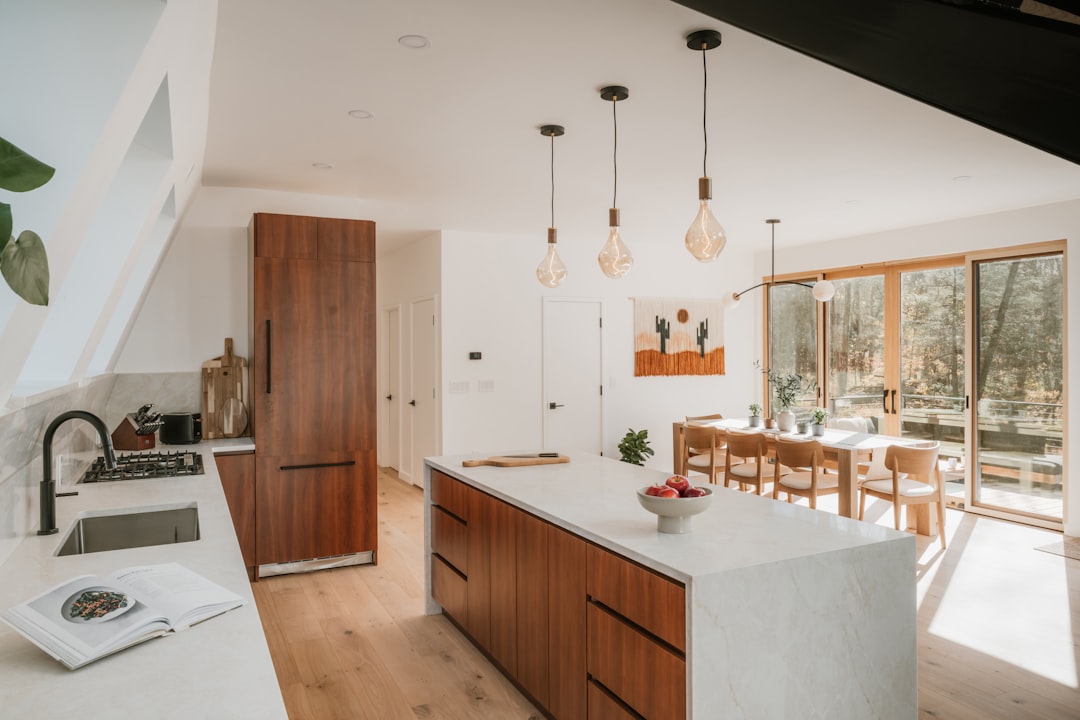
Contemporary design is a dynamic and evolving aesthetic. It is characterized by its responsiveness to current trends in architecture, materials, and technology. Unlike modernism, which is a specific historical movement, contemporaneity is an umbrella term encompassing various current styles.
Key Characteristics of Contemporary Design
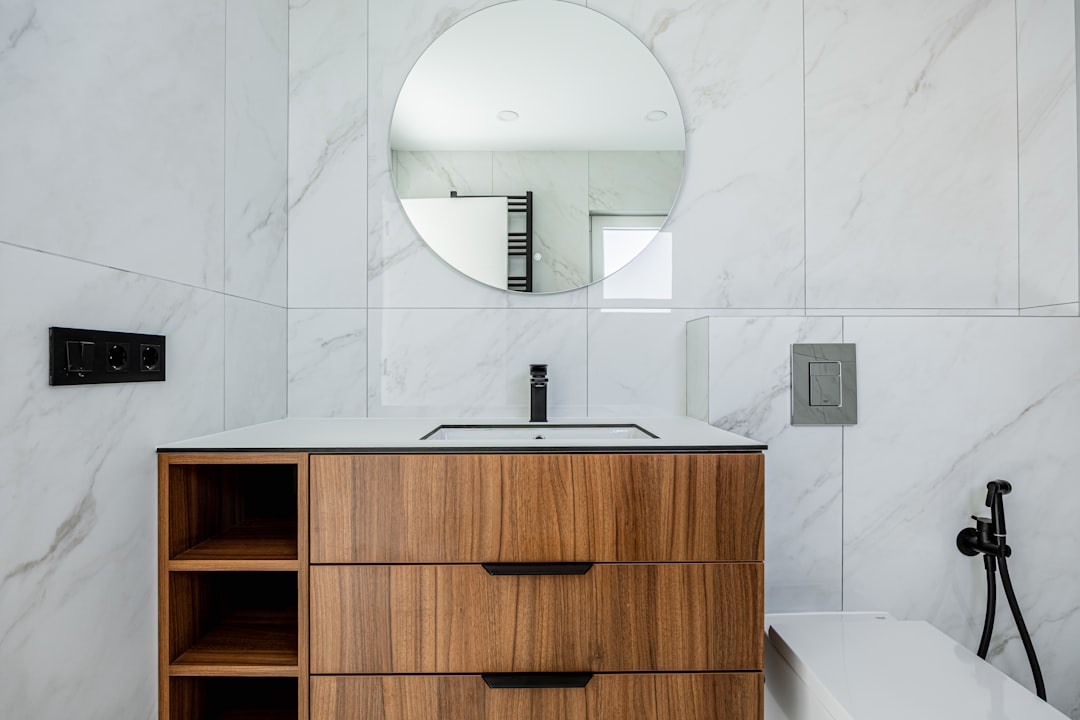
- Clean Lines and Minimalism: Contemporary spaces often feature uncluttered
surfaces, simple geometric forms, and a general absence of ornate
decoration. The emphasis is on functionality and visual clarity.
- Open Floor Plans: Integration of living, dining, and kitchen areas is
common, promoting a sense of spaciousness and facilitating social
interaction. Walls are often minimized to create unobstructed views and
light pathways.
- Natural Light Integration: Large windows, skylights, and glass doors are
frequently employed to maximize natural light ingress, blurring the
boundary between interior and exterior.
- Neutral Color Palettes: A reliance on whites, grays, beiges, and blacks
forms the foundation, often punctuated by strategic pops of color through
artwork or furnishings. This palette enhances the feeling of light and
space.
- Emphasis on Materials: Natural materials like wood, stone, and concrete
are often exposed or used in their unadorned state. Steel and glass are
also prominent, contributing to a sleek and sophisticated aesthetic.
- Technological Integration: Smart home systems, integrated lighting, and
invisible audio-visual components are often incorporated seamlessly into
the design.
The Appeal of Contemporary Design
For many, contemporary design offers a sense of calm and order. The absence of visual clutter can reduce cognitive load, fostering an environment conducive to relaxation and focus. Its adaptable nature allows for the integration of evolving technologies and personalized elements without compromising the overarching aesthetic. It can be particularly appealing to individuals who appreciate minimalist principles and a forward-thinking approach to living.
Understanding Traditional Design
Traditional design, in contrast, draws inspiration from historical precedents and established architectural styles. It embodies a sense of heritage and permanence, often characterized by intricate details and a focus on comfort and formality.
Key Characteristics of Traditional Design
- Classic Architectural Elements: Features like crown molding, wainscoting,
coffered ceilings, and detailed trim work are common. These elements often
derive from historical European or American architectural styles.
- Symmetry and Balance: A preference for symmetrical arrangements and
balanced compositions creates a sense of order and formality within a
space. Furniture placement often adheres to these principles.
- Defined Rooms: Traditional homes typically feature separate, distinct
rooms for different functions, such as formal living rooms, dining rooms,
and studies. This compartmentalization offers a sense of privacy and
designated purpose.
- Rich Color Palettes: Deeper, warmer hues such as blues, greens, reds,
and creams are often employed, creating a cozy and inviting atmosphere.
Wallpaper with patterns is also frequently utilized.
- Ornate Furnishings and Textiles: Furniture often features intricate
carvings, upholstery in rich fabrics like velvet or brocade, and detailed
hardware. Patterned rugs, drapes, and decorative pillows contribute to a
layered aesthetic.
- Emphasis on Craftsmanship: Hand-carved wood, antique furniture, and
artisanal decor items highlight a value placed on artistry and longevity.
The Appeal of Traditional Design
Traditional design often evokes a sense of nostalgia, comfort, and established elegance. It can provide a grounding influence, connecting occupants to architectural history and time-honored aesthetics. This style appeals to those who appreciate a sense of formality, intricate details, and a cozy, layered environment. It can be particularly suitable for individuals who enjoy collecting antiques or prefer distinct spaces for various activities.
When considering the nuances of contemporary versus traditional home design in Richmond, it’s essential to reflect on how each style aligns with your personal lifestyle and preferences. For those seeking guidance in defining their design direction, ASD4Design offers valuable insights and expertise. Their approach can help you navigate the complexities of choosing a style that resonates with your individuality and functional needs. To learn more about how ASD4Design can assist you in this journey, visit their about page at ASD4Design.
Lifestyle as a Design Compass
The choice between Contemporary and Traditional, or a fusion of the two, is not merely aesthetic; it is a reflection of daily life. Your home acts as a stage for your activities, a repository for your belongings, and a sanctuary for your rest. The design should align with these fundamental roles.
How Contemporary Design Accommodates Lifestyles
A contemporary home can be a practical choice for those who prioritize open, adaptable spaces.
- Social & Interactive Lifestyles: Open floor plans facilitate entertaining and family gatherings. The fluidity between spaces often encourages more spontaneous interaction.
- Minimalist & Decluttered Living: The design language inherently discourages excessive ornamentation and promotes a streamlined approach to belongings. This can aid those who prefer a less cluttered living environment.
- Technology-Forward Individuals: The clean aesthetic and integrated nature of contemporary design readily accommodate modern technology, often allowing for discreet installations.
- Busy Professionals: The uncluttered environment can provide a calm retreat from a hectic professional life, offering a sense of order and reducing visual distractions.
How Traditional Design Accommodates Lifestyles
A traditional home often provides a sense of established comfort and designated spaces.
- Formal Entertaining & Family Gatherings: Defined living and dining rooms allow for formal events and intimate conversations, providing distinct settings for diverse social occasions.
- Collectors & Those with Heirlooms: The layered aesthetic and emphasis on craft lend themselves well to showcasing antique furniture, artwork, and personal collections.
- Individuals Seeking Coziness & Warmth: The richer color palettes, textural fabrics, and historical elements frequently create a sense of grounded comfort and intimacy.
- Those Who Appreciate Privacy & Distinct Zones: Separate rooms offer designated spaces for work, study, or relaxation, providing a sense of quietude and boundaries.
The Hybrid Approach: Transitional Design
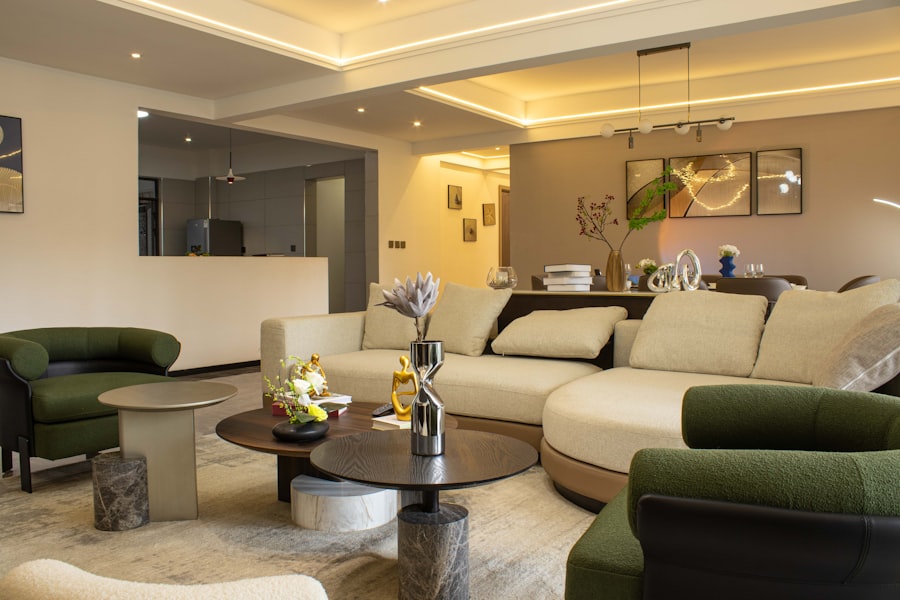
It is not uncommon for homeowners in Richmond to find themselves drawn to elements from both ends of the design spectrum. This often leads to a transitional design approach, which blends contemporary clean lines with traditional warmth and detailing. This style seeks equilibrium, offering the best of both worlds.
Characteristics of Transitional Design
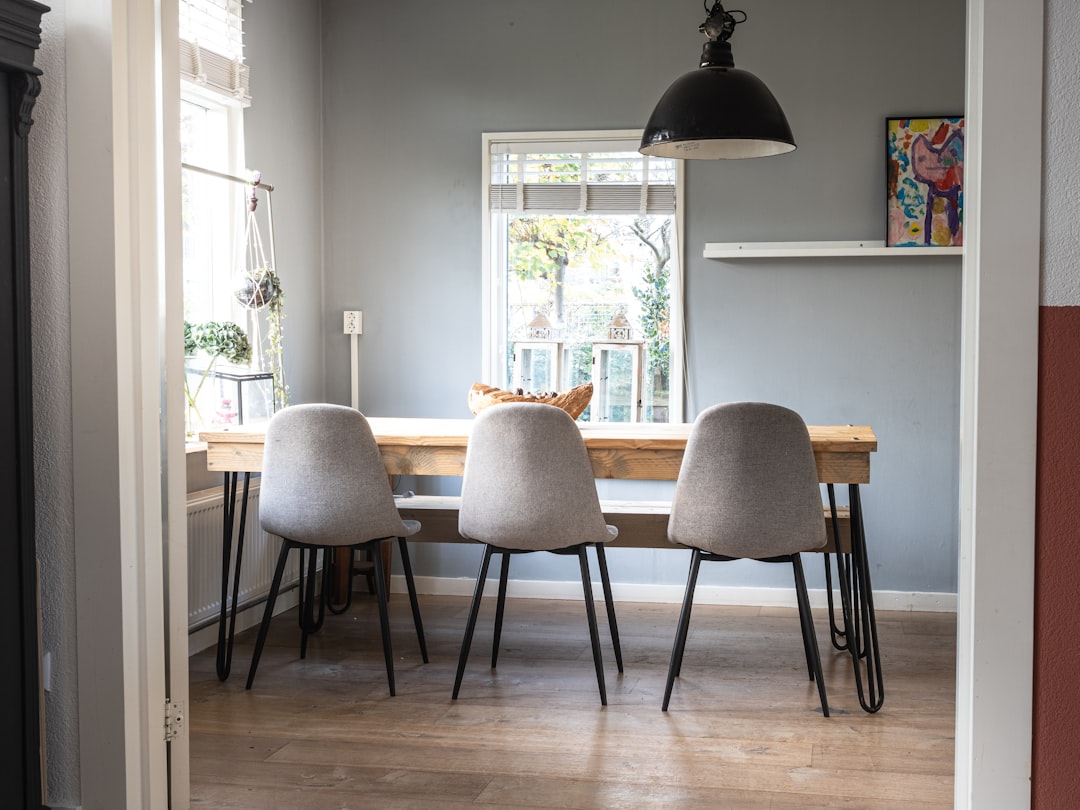
- Balanced Aesthetics: Transitional spaces often feature the clean lines of contemporary furniture but may incorporate traditional materials or subtle decorative elements.
- Neutral Palettes with Warm Accents: While maintaining a largely neutral base, transitional design often introduces warmer wood tones, natural textures, and occasional classic patterns.
- Streamlined Traditional Elements: Mouldings might be less ornate than in a purely traditional home, but retain a classic profile.
- Comfort and Sophistication: The aim is to create spaces that are both comfortable and refined, avoiding stark minimalism or over-the-top opulence.
Advantages of Transitional Design
Transitional design offers a valuable bridge, appealing to those who desire modernity without sacrificing historical echoes or comfort. It provides flexibility and longevity, as it is less susceptible to rapid stylistic shifts. This approach allows for personalization, integrating cherished traditional items into a more current context.
Richmond’s Architectural Context
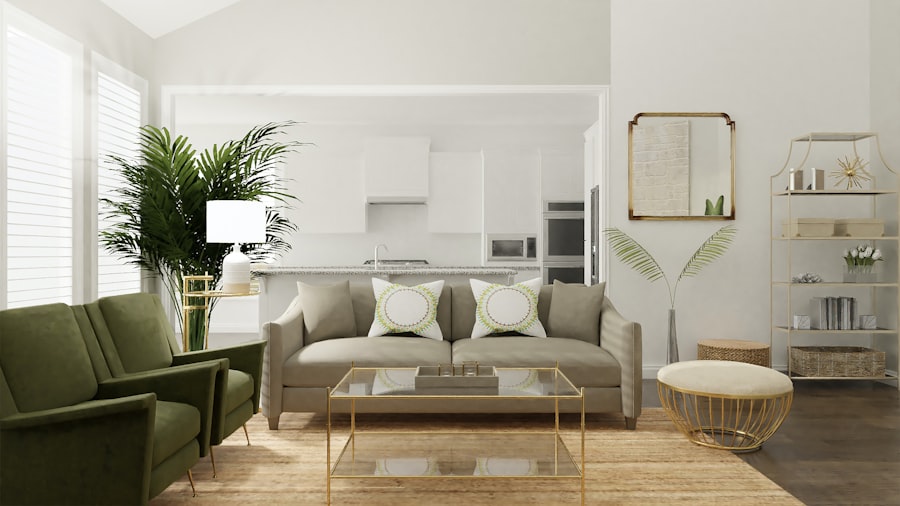
Richmond’s architectural landscape itself is a tapestry of various periods and styles. From the Federal and Greek Revival homes of Church Hill and the Fan District to more modern developments, the existing structure of a home often provides a starting point, a canvas upon which to apply a design philosophy.
Historic Homes and Design Choices
For homes with significant historical character, a purely contemporary renovation might clash with the building’s inherent identity. In such cases, a sensitive approach is often more appropriate.
- Preserving Original Features: Retaining and restoring architectural details like original windows, fireplaces, and trim work can honor the home’s heritage.
- Contemporary Interiors within Traditional Shells: It is possible to blend contemporary interiors with a historically significant exterior. This might involve modernizing kitchens and bathrooms while maintaining the integrity of period-specific details in more public-facing rooms.
- Thoughtful Additions: Any additions should be designed to complement, rather than detract from, the original structure, whether through a subtle contemporary contrast or a historically sympathetic extension.
Newer Constructions and Design Choices
Newer homes or those undergoing full-scale renovations offer more latitude in design direction.
- Unrestricted Contemporary Expression: A newly constructed home can be a blank slate for a comprehensive contemporary vision, allowing for maximization of light, open spaces, and modern materials from the outset.
- Building in Traditional Character: While contemporary construction methods are employed, new homes can be designed with traditional architectural elements to evoke a classic aesthetic, albeit with modern efficiencies. This “new traditional” approach is increasingly common.
When exploring the nuances of Contemporary vs Traditional Home Design in Richmond, it’s essential to consider how these styles align with your personal lifestyle. A related article on designing outdoor living spaces that extend the home can provide valuable insights into how these design choices can enhance your living experience. ASD4Design specializes in helping you define your personal design direction, ensuring that your home reflects your unique tastes and needs. For more inspiration, check out this informative piece on designing outdoor living spaces that seamlessly blend with your home’s aesthetic.
ASD4Design: Guiding Your Personal Design Direction
| Aspect | Contemporary Home Design | Traditional Home Design | How ASD4Design Can Help |
|---|---|---|---|
| Architectural Style | Clean lines, open spaces, minimal ornamentation | Classic details, ornate moldings, symmetrical layouts | Personalized consultation to identify your preferred style |
| Materials | Glass, steel, concrete, natural wood | Brick, stone, wood paneling, traditional finishes | Guidance on selecting materials that match your lifestyle and budget |
| Interior Layout | Open floor plans, multifunctional spaces | Defined rooms, formal dining and living areas | Custom space planning to optimize comfort and functionality |
| Energy Efficiency | Incorporates modern sustainable technologies | May require retrofitting for energy efficiency | Advice on integrating energy-saving solutions seamlessly |
| Customization | Highly adaptable to modern needs and trends | Focus on preserving historical and cultural elements | Help balancing personal taste with design integrity |
| Cost Considerations | Potentially higher initial investment for modern features | May have lower upfront costs but higher maintenance | Budget planning and cost-effective design strategies |
| Richmond Market Trends | Growing demand for sleek, modern homes | Strong appreciation for historic and classic homes | Market analysis to align design with property value goals |
Navigating the complexities of home design, particularly when considering fundamental stylistic choices, can be a significant undertaking. A professional design firm acts as a compass, translating individual preferences and lifestyle requirements into a cohesive and functional design plan.
The Role of a Design Professional
A professional designer provides expertise that encompasses aesthetic sensibilities, technical knowledge, and project management capabilities.
- Clarifying Vision: Initial consultations focus on identifying your needs, aspirations, and stylistic inclinations. This involves discussions about daily routines, entertaining habits, and long-term goals for the home. Your home is not just a building; it’s a reflection of your life story, both present and future.
- Spatial Planning and Optimization: Designers assess floor plans, consider traffic flow, and propose layouts that maximize functionality and visual appeal. This includes optimizing natural light, addressing structural considerations, and ensuring compliance with building codes.
- Material and Finish Selection: With an understanding of current trends and material properties, a designer can curate appropriate finishes, fixtures, and materials that align with the chosen design philosophy and budget. They consider the tactile and visual impact of each selection.
- Budget Management: A designer assists in establishing and adhering to a realistic budget, making informed decisions about where to invest and where to economize without compromising quality or aesthetic integrity. This involves transparent communication about costs and value.
- Project Oversight and Coordination: From conceptualization to completion, a designer can manage various aspects of the project, coordinating with contractors, suppliers, and other trades to ensure the design vision is executed precisely. This includes addressing unforeseen challenges that may arise during construction or renovation.
- Preventing Costly Mistakes: By leveraging their experience, designers can anticipate potential pitfalls and recommend solutions proactively, saving homeowners time and financial resources in the long run.
ASD4Design’s Approach
ASD4Design, as a design firm, focuses on understanding the individual client’s narrative. Their process involves a systematic exploration of preferences, lifestyle needs, and budgetary parameters. They aim to translate abstract ideas into tangible design solutions that resonate with the client’s identity. This involves:
- Initial Needs Assessment: Comprehensive discussions to uncover your functional requirements, aesthetic tastes, and desired atmosphere for your home.
- Conceptual Development: Presenting preliminary design ideas, mood boards, and material palettes to visualize potential directions.
- Detailed Design and Documentation: Developing precise floor plans, elevations, and specifications needed for construction and procurement.
- Selection and Specification: Guiding clients through the selection of finishes, fixtures, furniture, and lighting, ensuring cohesion and quality.
- Project Liaison: Facilitating communication between the client and contractors, ensuring the design intent is maintained throughout the implementation phase.
Ultimately, whether your inclinations lean towards the sleek lines of contemporary design, the enduring appeal of traditional aesthetics, or a carefully curated blend, the objective remains the same: to create a home environment that is both aesthetically pleasing and profoundly functional, a space that supports and enhances your daily life in Richmond. A design professional can act as the architect of this congruence, ensuring your chosen style is not merely an outward appearance, but an authentic expression of how you live.
FAQs
What are the main differences between contemporary and traditional home design?
Contemporary home design focuses on clean lines, open spaces, and minimalistic elements, often incorporating modern materials and technology. Traditional home design emphasizes classic architectural details, ornate decorations, and a warm, cozy atmosphere inspired by historical styles.
How can I determine which design style fits my lifestyle in Richmond?
Consider your daily routines, personal preferences, and the functionality you need in your home. Contemporary designs suit those who prefer simplicity and modern living, while traditional designs appeal to individuals who value classic aesthetics and a more formal environment. Assessing your lifestyle needs will help guide your choice.
What role does ASD4Design play in defining my personal design direction?
ASD4Design offers expert consultation and personalized design services to help you identify your style preferences and lifestyle requirements. They assist in blending elements from both contemporary and traditional designs to create a home that reflects your unique personality and fits your needs.
Can contemporary and traditional design elements be combined in one home?
Yes, many homeowners choose to blend contemporary and traditional elements to create a transitional style. This approach allows for a balanced mix of modern functionality and classic charm, tailored to individual tastes and lifestyle demands.
Are there specific design considerations unique to homes in Richmond?
Richmond’s architectural heritage and local climate can influence design choices. Incorporating regional materials, respecting historical context, and optimizing for seasonal weather are important factors. ASD4Design can provide guidance on integrating these considerations into your home design.