
You are a reader interested in how residential architecture in Richmond, Virginia, is evolving and how ASD4Design positions itself within these shifts. This article examines projected trends for 2026, highlighting ASD4Design’s strategic approach to staying relevant.
Richmond, Virginia, a city with a rich historical tapestry, is undergoing a continuous evolution in its residential architecture. This evolution is not a sudden meteorological event but a gradual acclimatization to changing lifestyles, technological advancements, and a renewed focus on sustainability. As we look towards 2026, several key themes are shaping the way homes are designed and inhabited. Understanding these trends is crucial for homeowners planning renovations, new builds, or simply for those interested in the aesthetic and functional direction of their community.
Historical Context and Modern Adaptation
Richmond’s architectural history is a mosaic of colonial, Victorian, and mid-century modern influences. While preserving heritage is a cornerstone for many residents, the demand is increasingly for designs that honor the past while embracing contemporary living. This often translates to adapting historic structures with modern amenities and layouts that better suit today’s family needs. The challenge lies in striking a balance, ensuring that modern interventions do not overshadow the inherent character of these older homes.
Demographic Influences on Design
The demographic makeup of Richmond also plays a significant role. A growing population of young families, as well as an aging demographic, brings different priorities to the forefront. For instance, younger families may prioritize open-plan living, flexible spaces that can adapt to remote work, and access to outdoor amenities. Conversely, an older population might seek single-floor living, accessibility features integrated seamlessly into the design, and proximity to services. Navigating these varied needs requires a nuanced understanding of client aspirations.
Economic Factors and Housing Demand
Economic conditions inevitably influence construction and renovation budgets. As the cost of materials and labor fluctuates, so too does the feasibility of certain design choices. The demand for housing, particularly in desirable neighborhoods, also impacts the scale and type of projects undertaken. This economic backdrop necessitates practical and efficient design solutions that offer long-term value.
In the context of Richmond, VA’s evolving residential architecture trends to watch in 2026, it’s essential to consider how outdoor living spaces are becoming increasingly integral to home design. A related article, which explores this concept in depth, can be found at Designing Outdoor Living Spaces That Extend the Home. ASD4Design stays ahead of evolving design preferences by continuously researching and integrating innovative ideas that enhance the functionality and aesthetic appeal of residential spaces. Their commitment to understanding the local market and adapting to emerging trends ensures that they create homes that not only meet current needs but also anticipate future desires, making them a leader in the Richmond architectural landscape.
Key Residential Architecture Trends for 2026 in Richmond
Based on observable patterns and expert projections, the following trends are likely to be prominent in Richmond’s residential architecture in 2026. These are not isolated fads but rather considered responses to broader societal and environmental shifts.
The Rise of Biophilic Design
Biophilic design, the concept of incorporating nature into the built environment, is set to gain further traction. This trend stems from a growing awareness of the psychological and physiological benefits of connecting with nature. In Richmond, this may manifest as increased use of natural materials, abundant natural light, and the integration of living plants and green spaces. Homes will increasingly be designed as sanctuaries that promote well-being.
Indoor-Outdoor Living and Extended Living Spaces
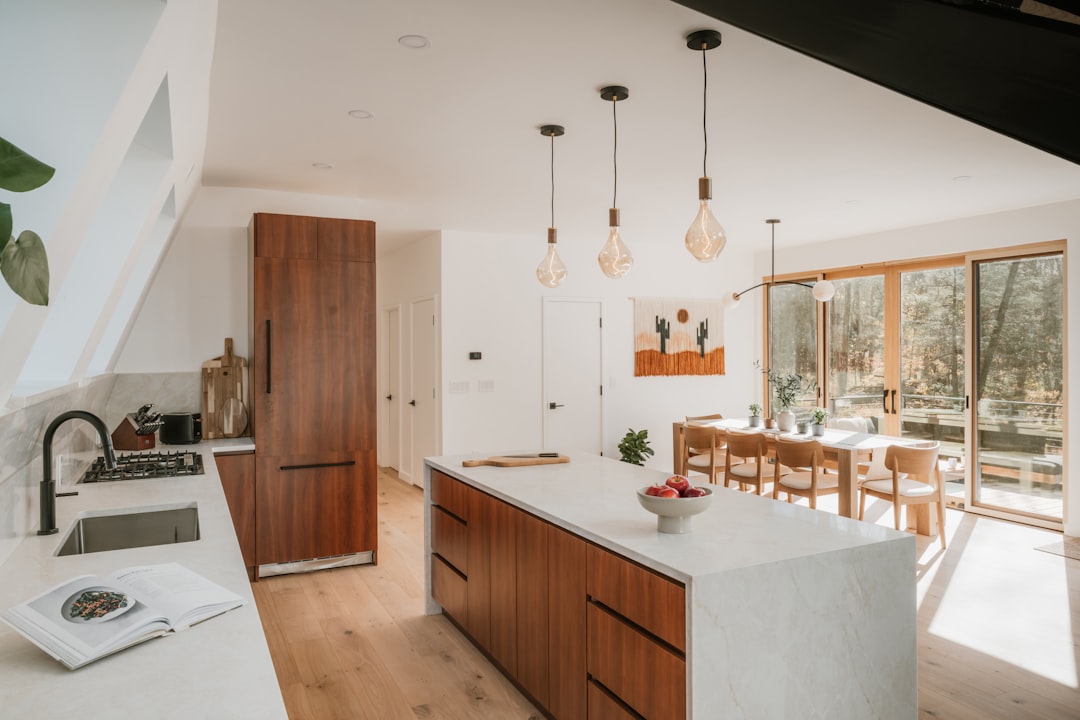
Outdoor spaces are no longer an afterthought but an extension of the interior living area. Decks, patios, and screened porches will become more sophisticated, offering comfortable and functional spaces for dining, entertaining, and relaxation. The boundaries between indoors and outdoors will continue to blur, with large sliding or folding glass doors and strategically placed windows becoming standard.
Sustainable Materials and Energy Efficiency
Sustainability will continue to be a driving force. Homeowners are increasingly seeking materials with a lower environmental impact, such as reclaimed wood, recycled metals, and low-VOC paints. Energy-efficient solutions, including enhanced insulation, high-performance windows, and the integration of solar technology, will become more commonplace. This is not just about environmental responsibility but also about reducing long-term operating costs.
As Richmond, VA continues to evolve, the article on residential architecture trends to watch in 2026 highlights the importance of adapting to changing design preferences. ASD4Design stays ahead of these trends by consistently researching and implementing innovative solutions that reflect the community’s needs and desires. Their commitment to sustainability and modern aesthetics ensures that each project resonates with current and future homeowners. For more insights on how design is transforming in Richmond, you can explore this related article that delves deeper into the architectural shifts shaping the area.
The Smart Home Integration Continuum
The integration of technology into the home will move beyond basic smart devices to a more holistic and intuitive system. This trend is about creating environments that are not only convenient but also adaptable and responsive to the occupants’ needs. The “smart home” will evolve from a collection of gadgets to an integrated ecosystem.
Seamless Technology Integration
Future smart homes will feature technology that is less visible and more seamlessly integrated into the architectural design. This means smarter lighting systems that adjust based on natural light and occupancy, climate control that learns user preferences, and security systems that operate discreetly. The emphasis will be on functionality that enhances daily life without creating visual clutter.
{“Seamless Technology Integration”: “Focus on integrated systems rather than standalone devices.”}
Personalized Comfort and Control
Advanced smart home systems will offer a higher degree of personalization for comfort and control. This could include customized ambient lighting scenes for different activities, integrated audio systems that follow occupants from room to room, and climate control zones that adapt to individual preferences. The aim is to create environments that are perfectly tailored to each resident.
Flexible and Adaptable Living Spaces
The way we live and work has changed, and residential architecture is responding by creating more flexible and adaptable spaces. The traditional notion of fixed rooms is giving way to designs that can morph and change to suit evolving needs. This is particularly relevant for homes that need to accommodate remote work, multi-generational living, or changing family structures.
Multi-Functional Rooms
Rooms will be designed with multiple purposes in mind. A guest bedroom could double as a home office, a playroom might transform into a quiet reading nook, and an open-plan living area could be segmented with movable partitions for greater privacy when needed. The ability to reconfigure spaces on demand will be highly valued.
Transitional Spaces and Zone Creation
The use of transitional spaces, such as widened hallways or strategically placed alcoves, will become more prevalent to create distinct zones within an open-plan layout. This allows for a sense of delineation without sacrificing the feeling of spaciousness.
The Revival of Durability and Timeless Design
While trends come and go, there is a growing appreciation for designs that prioritize durability and timeless appeal. This is a reaction against the disposable nature of some modern construction and an acknowledgment of the long-term value of quality craftsmanship and materials. Homes from 2026 will likely exhibit a sense of permanence and understated elegance.
Enduring Materials and Classic Silhouettes
The focus will be on materials that stand the test of time, both in terms of their structural integrity and their aesthetic appeal. This might include natural stone, well-crafted brickwork, and robust timber elements. Classic architectural silhouettes will be favored, ensuring that homes remain appealing for generations.
Craftsmanship and Attention to Detail
There will be a renewed emphasis on skilled craftsmanship and meticulous attention to detail. This extends to everything from joinery and custom cabinetry to the precise placement of windows and the finishing of surfaces. Investing in quality construction and detailing is seen as an investment in the longevity and character of the home.
ASD4Design’s Approach to Evolving Preferences
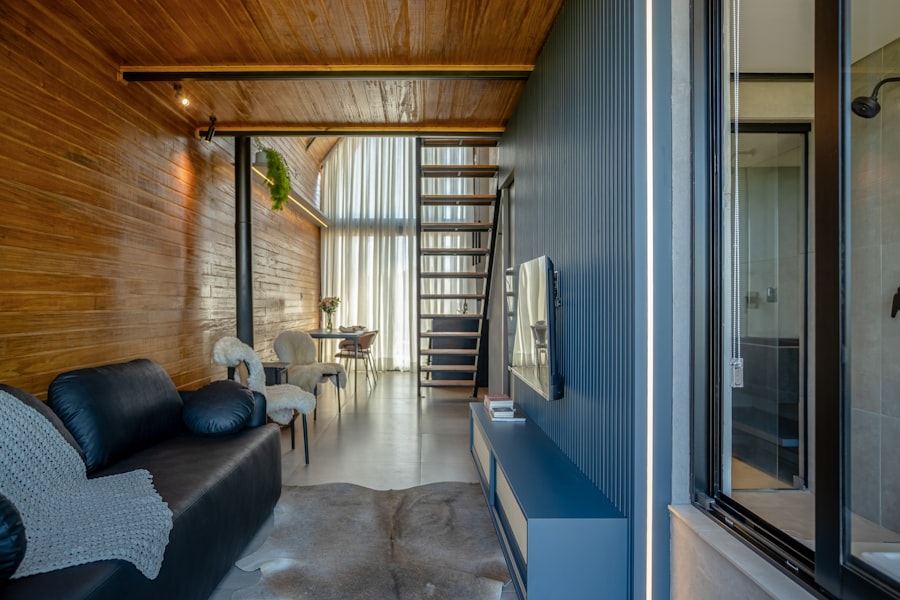
ASD4Design recognizes that staying ahead in the architectural field requires more than simply observing trends. It demands a proactive approach that integrates foresight with practical design solutions. The firm’s philosophy is built on understanding the underlying forces driving these changes and translating them into tangible, client-centric designs.
Deep Client Engagement and Needs Assessment
At the core of ASD4Design’s success is a commitment to deep client engagement. The firm understands that each client’s vision is unique, and that genuine understanding of their lifestyle, aspirations, and functional requirements is the prerequisite for any successful project. This is not a superficial Q&A but an immersive process of listening and empathizing.
Unpacking Lifestyle and Functional Needs
The initial phase of any project involves a thorough assessment of how the client lives, works, and entertains. This goes beyond basic room counts to understanding the flow of daily life, the importance of specific activities, and the desired atmosphere within the home. This detailed understanding acts as the foundation upon which all design decisions are made.
Translating Aspirations into Tangible Designs
ASD4Design excels at translating abstract client aspirations into concrete architectural plans. This involves a robust discovery process where conceptual ideas are explored and refined through sketches, mood boards, and detailed discussions. The goal is to ensure that the final design is a true reflection of the client’s desires, brought to life through skilled design.
Proactive Trend Integration and Future-Proofing
ASD4Design does not merely react to trends; it anticipates them. The firm invests in ongoing research and development to understand the trajectory of architectural innovation and societal shifts. This allows them to integrate forward-thinking elements into designs from the outset, ensuring that new homes are not only current but also adaptable to future needs.
Researching Emerging Materials and Technologies
ASD4Design actively explores emerging materials, construction techniques, and smart home technologies. This research informs their recommendations to clients, allowing them to offer solutions that are both innovative and practical. The firm looks for technologies and materials that offer demonstrable benefits in terms of sustainability, efficiency, and occupant well-being.
Designing for Longevity and Adaptability
A key aspect of ASD4Design’s approach is designing for longevity. This involves selecting durable materials, employing sound construction methodologies, and creating layouts that can be easily adapted as family needs change. These homes are conceived not just for the present but for decades to come, minimizing the need for disruptive renovations in the future.
Emphasis on Sustainable and Healthy Environments
Sustainability and occupant well-being are not add-ons but integral components of ASD4Design’s design process. The firm is committed to creating homes that minimize their environmental footprint while maximizing the health and comfort of those who inhabit them. This commitment is woven into the fabric of every project.
Holistic Approach to Energy Efficiency
ASD4Design’s approach to energy efficiency is holistic, considering everything from passive design strategies like building orientation and natural ventilation to the selection of high-performance windows and insulation. They aim to create homes that require minimal energy input to maintain comfortable interior conditions, thereby reducing both environmental impact and utility costs.
Integration of Natural Elements and Biophilic Principles
Reflecting the growing importance of biophilic design, ASD4Design actively seeks opportunities to integrate natural elements into their projects. This includes maximizing natural light, incorporating views of nature, and utilizing materials that have a tactile connection to the natural world. The objective is to create living spaces that promote a sense of calm and connection with the outdoors.
Richmond’s residential architecture landscape in 2026 is poised to embody a blend of historical appreciation and forward-looking design. Trends such as biophilic integration, advanced smart home functionality, adaptable living spaces, and a renewed focus on durability are shaping the future of housing. ASD4Design, through its client-centric process, proactive trend integration, and commitment to sustainability, is well-positioned to guide homeowners through these evolving preferences, creating residences that are not only aesthetically pleasing but also functional, enduring, and responsive to the modern way of life.
FAQs
What are the key residential architecture trends expected in Richmond, VA in 2026?
Key trends include sustainable and energy-efficient designs, integration of smart home technology, open floor plans that enhance natural light, use of local and eco-friendly materials, and a blend of modern and traditional architectural elements reflecting Richmond’s historic character.
How does ASD4Design stay ahead of evolving design preferences in Richmond?
ASD4Design stays ahead by continuously researching emerging trends, incorporating advanced technology in their design process, engaging with local communities to understand their needs, and prioritizing sustainability and innovation in their residential projects.
Why is sustainability important in Richmond’s residential architecture trends?
Sustainability is important due to increasing environmental awareness, local regulations promoting green building practices, and homeowners’ desire to reduce energy costs and carbon footprints. Sustainable designs also enhance property value and contribute to healthier living environments.
What role does technology play in Richmond’s residential architecture for 2026?
Technology plays a significant role by enabling smart home features such as automated lighting, climate control, security systems, and energy management. These innovations improve convenience, safety, and energy efficiency in modern homes.
How does ASD4Design incorporate Richmond’s historic character into modern residential designs?
ASD4Design blends Richmond’s historic architectural elements with contemporary styles by using traditional materials, preserving architectural details, and designing homes that complement the city’s cultural heritage while meeting modern lifestyle needs.