
A home addition project in Richmond, Virginia, requires careful consideration of the city’s diverse architectural heritage. The goal is often to extend living space or update functionality while maintaining the aesthetic integrity of the existing structure. This presents a challenge: how to introduce modern design and amenities without creating a visual dissonance. This article explores how ASD4Design approaches this challenge, aiming to integrate new constructions that respect and complement Richmond’s architectural styles.
Richmond, Virginia, boasts a rich and varied architectural history, reflecting distinct periods of growth and evolving stylistic preferences. Recognizing these patterns is the bedrock of successful addition design. Without an understanding of this context, an addition can feel like an ill-fitting garment, awkward and out of place.
The Dominant Architectural Eras
- Colonial and Federal Periods (Late 17th – Early 19th Century): Characterized by symmetry, simple forms, and materials like brick and wood. Homes from these eras often feature balanced window placement, prominent chimneys, and understated ornamentation. Examples include houses in areas like Church Hill.
- Victorian and Queen Anne Styles (Mid-19th – Early 20th Century): Marked by ornate detailing, complex rooflines, asymmetrical facades, and a richer palette of materials and colors. This era saw a flourish of decorative elements, bay windows, and wrap-around porches. Neighborhoods like The Fan and Museum District exhibit many of these homes.
- Arts and Crafts and Colonial Revival (Early to Mid-20th Century): A reaction against Victorian excess, Arts and Crafts emphasized natural materials, handmade craftsmanship, and a connection to the outdoors. Colonial Revival sought to evoke the simplicity and grace of earlier American styles, often with more refined proportions than their historical counterparts.
- Mid-Century Modern and Post-War Developments (Mid-20th Century onwards): These styles introduced cleaner lines, open floor plans, and the use of new materials like larger expanses of glass and concrete. This period represents a significant shift towards modern living.
Identifying Key Architectural Elements
Beyond broad stylistic categories, specific elements define Richmond’s homes. These are the subtle cues that, when recognized and incorporated, allow a new addition to feel like an organic extension rather than an imposition.
- Rooflines and Pitch: The angle and form of a roof – be it a gable, hip, or dormer – are significant visual identifiers. Matching or complementing these lines can create a sense of continuity.
- Window Styles and Repetition: The size, proportion, and detailing of windows – from sash types to muntin patterns – are crucial. A new addition should aim for windows that echo these characteristics, even if employing modern glazing technology.
- Materiality and Texture: Brick, wood siding, stucco, and natural stone all have specific applications and patinas across Richmond’s architectural landscape. Understanding the original materials and their weathering allows for informed selection of new materials.
- Scale and Proportion: The overall height, width, and depth of a building, and the relationship of its parts, contribute to its perceived harmony. Additions must respect these existing proportions to avoid overwhelming the original structure.
- Ornamentation and Detail: While modern design often favors minimalism, understanding historical ornamentation – such as dentil molding, keystones, or decorative trim – can inform how subtle detailing is applied to a new element to harmonize it with the old.
In the quest to create harmonious living spaces, the article “Designing Modern Home Additions That Match Richmond Architecture” offers valuable insights into blending contemporary designs with historical aesthetics. ASD4Design specializes in this delicate balance, ensuring that new additions complement the existing architecture while enhancing functionality. By leveraging their expertise, homeowners can achieve a seamless integration of old and new, preserving the character of their properties. For more inspiration and examples of successful projects, visit ASD4Design’s project gallery.
The Modern Addition: Balancing Innovation and Tradition
The concept of a “modern” addition often conjures images of stark, minimalist structures that stand in deliberate contrast to their surroundings. However, in the context of historic Richmond architecture, the most successful additions are those that achieve a dialogue between old and new, rather than a monologue from the new.
Defining “Seamless Blend”
A seamless blend is not about making the addition indistinguishable from the original. Instead, it’s about creating a harmonious composition where the new element enhances and complements the existing structure. It’s akin to a well-composed musical piece where different instruments play distinct melodies that, when combined, produce a richer overall sound.
- Respectful Contrast: The addition can feature contemporary materials and forms, but these should be chosen and placed in a way that acknowledges and responds to the original building. This might involve a slightly different material palette or a more streamlined geometry that highlights, rather than competes with, the historic detailing.
- Functional Enhancement: Modern additions typically serve practical purposes: expanded living areas, updated kitchens and bathrooms, or improved energy efficiency. The design must integrate these functional needs without sacrificing aesthetic cohesion.
- Material Continuity: While modern materials can be introduced, their selection should be informed by the original building’s materiality. For instance, using reclaimed wood that echoes the original timber or selecting brick tones that are sympathetic to the existing facade.
- Light and Space: Modern design often prioritizes natural light and open spatial arrangements. Integrating these contemporary desires into an addition requires careful consideration of how light will interact with both the new and old parts of the house.
Advanced Design Strategies
Achieving a seamless blend requires more than just a superficial understanding of styles. It involves thoughtful application of design principles and a willingness to explore nuanced solutions.
- Massing and Form: The shape and volume of the addition are paramount. A large, monolithic block can overwhelm a smaller historic home. Instead, breaking down the addition into smaller, articulated volumes that step back or connect to the original in a considered way can be more effective.
- Fenestration: The placement, size, and style of windows and doors in the addition are critical. Large contemporary windows might be used in areas where they don’t directly juxtapose with historic windows, or they can be designed with proportions that echo the original.
- Material Transitions: The point where the old meets the new is a design opportunity. This transition can be a clean, crisp line, or it can be softened with specific detailing or an intermediate element.
- Roof Integration: The way the addition’s roof connects to the existing roofline is a major factor in visual integration. This might involve matching pitches, introducing Clerestory windows to borrow light, or creating a distinct but complementary roof form.
ASD4Design’s Approach to Richmond Additions
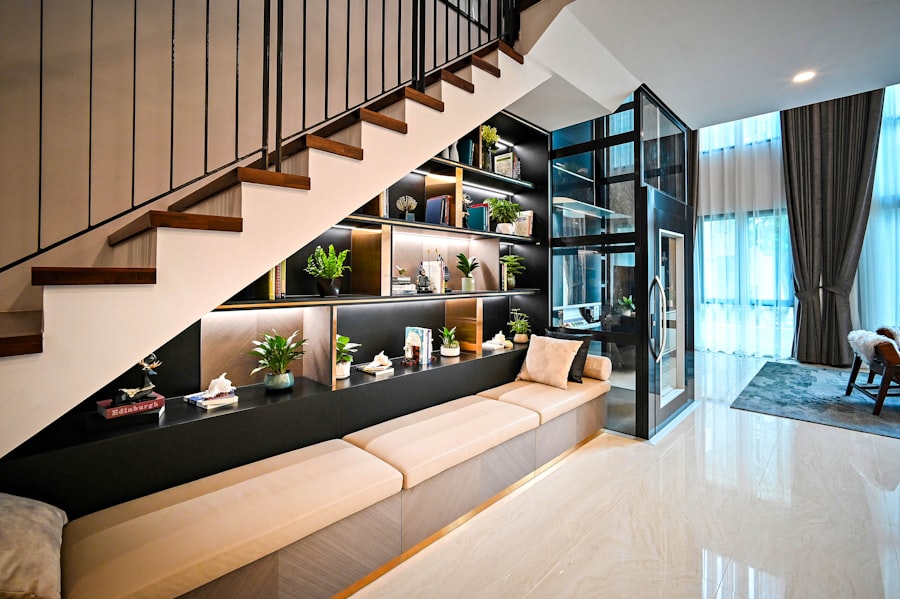
ASD4Design positions itself as a firm that can navigate the complexities of designing additions for Richmond’s diverse architectural landscape. Their methodology aims to bring a contemporary perspective while respecting the historical context.
The ASD4Design Process: An Overview
The firm’s approach typically begins with a thorough analysis of the existing property and its neighborhood context. This is not a perfunctory step but a deep dive into understanding what makes the existing structure and its surroundings unique.
- Site Analysis and Historical Research: Understanding the specific architectural style of the home, its historical period, and any neighborhood guidelines or covenants are the initial steps. This involves examining existing plans, historical photographs, and the physical characteristics of the property.
- Client Consultation and Visioning: Identifying the client’s needs, lifestyle, and aesthetic preferences is crucial. This stage ensures that the functional requirements of the addition are met while aligning with the overarching design philosophy.
- Conceptual Design Development: Based on the analysis and consultation, ASD4Design develops initial design concepts. These concepts explore different massing strategies, material palettes, and spatial arrangements, often presenting multiple options to the client.
- Detailed Design and Documentation: Once a concept is chosen, it is refined into detailed architectural drawings and specifications. This phase includes structural engineering, mechanical, electrical, and plumbing considerations, ensuring a comprehensive plan.
- Permitting and Construction Administration: ASD4Design guides clients through the permitting process and provides oversight during construction to ensure the design intent is realized.
Key Methodologies Employed by ASD4Design
ASD4Design utilizes specific strategies to achieve the desired blend of old and new. These are not generic solutions but are tailored to the unique demands of each project.
- Contextual Material Selection: The firm emphasizes selecting materials that speak to the original building’s character while incorporating modern performance. This could mean using historically appropriate brick types but with an updated mortar joint, or specifying wood species that complement existing timber.
- Form and Massing Strategy: ASD4Design often employs a strategy of contextual massing, where the addition’s volume is broken down into smaller, interlocking or stepping forms that relate to the scale and proportions of the original house. This prevents the addition from appearing as a monolithic intrusion.
- Fenestration Harmony: The firm pays close attention to window design. They might replicate the rhythm and proportion of original windows with contemporary glazing, or introduce new window types that create a deliberate, yet harmonious, dialogue with the historic openings.
- Subtle Detailing: Rather than trying to mimic historical ornamentation, ASD4Design often opts for refined, contemporary detailing that offers a nod to historical precedents without being a direct copy. This might manifest in clean-lined trim or carefully considered shadow lines.
- Bridging the Gap: In some cases, a transitional element – a glazed link, a covered walkway, or a carefully designed courtyard – can serve to mediate between the old and new, creating a visual and functional bridge.
Case Studies in Richmond: Illustrating Success
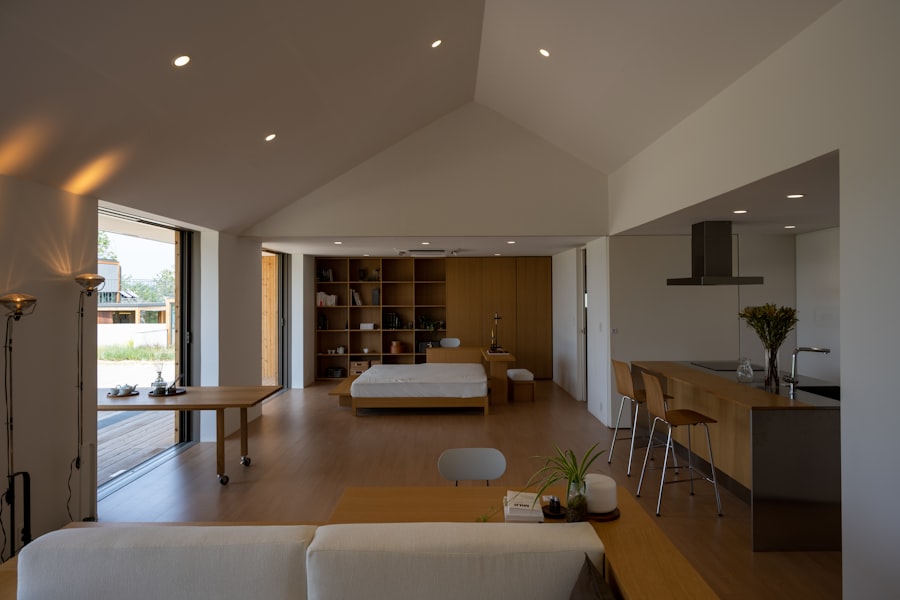
While specific project details are often proprietary, fictionalized examples can illustrate how ASD4Design’s principles translate into tangible results in Richmond’s distinct neighborhoods. These hypothetical scenarios demonstrate the application of their design philosophy.
Example 1: A Victorian Row House in The Fan
Imagine a narrow Victorian row house, a common sight in The Fan District, characterized by its intricate gingerbread trim, steep roof pitches, and a compact footprint. A client wishes to add a modern kitchen and dining area, along with an extended master suite.
- The Challenge: The tight urban lot and the highly detailed nature of the Victorian facade present significant design hurdles. A poorly conceived addition could easily disrupt the delicate balance of the streetscape.
- ASD4Design’s Solution (Hypothetical): The firm might propose a rear addition that extends outwards, respecting the building’s side yard setbacks. The massing could be divided into two main volumes – a lower, wider volume for the kitchen and dining, and a slightly taller, narrower volume for the master suite.
- Materiality: The exterior might feature a combination of dark-toned, modern brick that subtly echoes the original brickwork, paired with a smooth, light-colored stucco or composite material. The roofline could be a lower-pitched, flat-roofed extension, creating a clear visual separation from the original gable roof, thus emphasizing the newness while remaining understated.
- Fenestration: Large, minimalist windows for the kitchen and dining area would offer ample natural light and views of the garden. These windows might have dark, slim frames that contrast with the lighter exterior. The master suite could incorporate a Juliet balcony with a more traditional balustrade design, offering a subtle link to the Victorian era.
- Interior Flow: Internally, the addition would feature an open-plan layout, maximizing the sense of space. A carefully placed internal window or a glass door might connect the new dining area visually to the original living room, allowing light to penetrate deeper into the historic part of the house.
Example 2: A Mid-Century Ranch in the West End
Consider a single-story Mid-Century Ranch, typically characterized by its low-pitched roofs, horizontal lines, and large expanses of glass. The client seeks to expand the living area and add a home office.
- The Challenge: Maintaining the horizontal emphasis and open feel of the Mid-Century style while adding a functional addition can be tricky. The addition must not appear as a clumsy afterthought tacked onto the side.
- ASD4Design’s Solution (Hypothetical): A side addition, designed to echo the existing horizontal lines and roof pitch, would be proposed.
- Massing: The addition could be designed with a similar low-pitched roof, potentially with a slight overhang that mirrors the original. The fenestration would feature large, modern windows, perhaps with clear, unadorned frames. Pivot doors or large sliding glass doors could be used to connect the new office and living space to an outdoor patio.
- Materiality: Materials like cedar siding, perhaps stained a warm tone, would be used to complement the original exterior. Large format concrete or stone pavers for the patio would reinforce the horizontal connection.
- Interior Integration: The interior would maintain an open-plan feel, with minimal interior walls separating the new spaces. Clerestory windows could be incorporated along the top of the addition to bring in additional diffused light, a hallmark of Mid-Century design. The connection to the existing house would be a seamless transition, perhaps with a continuation of the flooring material.
In the pursuit of creating harmonious living spaces, the article on Designing Modern Home Additions That Match Richmond Architecture highlights the importance of blending contemporary designs with traditional elements. ASD4Design specializes in this integration, ensuring that new additions complement the existing structure while enhancing functionality and aesthetic appeal. By employing thoughtful design strategies, ASD4Design can help you achieve a seamless transition between old and new, making your home a cohesive reflection of your style. To learn more about their approach, you can visit their process page here.
The Benefits of Partnering with ASD4Design
| Metric | Description | ASD4Design Approach | Benefit |
|---|---|---|---|
| Architectural Style Compatibility | Degree to which new additions match Richmond’s traditional styles | Detailed style analysis and custom design to reflect local historic elements | Preserves neighborhood character and enhances property value |
| Material Selection | Use of materials that blend old and new construction | Source authentic or complementary materials for seamless integration | Ensures visual harmony and durability |
| Design Innovation | Incorporation of modern design elements without clashing | Balanced use of contemporary features that respect traditional forms | Creates functional, stylish spaces that feel cohesive |
| Energy Efficiency | Integration of modern energy-saving technologies | Incorporate insulation, windows, and HVAC systems that meet modern standards | Reduces utility costs while maintaining historic aesthetics |
| Project Timeline | Average duration for home addition projects in Richmond | Efficient project management with clear milestones and communication | Minimizes disruption and ensures timely completion |
| Client Satisfaction Rate | Percentage of clients satisfied with blending old and new designs | Personalized consultations and iterative design process | High satisfaction through tailored solutions |
Engaging a design firm with specific expertise in contextual additions offers tangible advantages for homeowners in Richmond. It transforms a potentially daunting renovation process into a more predictable and rewarding endeavor.
Navigating Local Regulations and Design Standards
Richmond, like many historic cities, has specific zoning ordinances and design review boards that govern alterations to existing structures, particularly in designated historic districts. ASD4Design’s familiarity with these regulations can streamline the approval process.
- Historic District Compliance: For homes within protected historic districts, understanding the specific guidelines for materials, scale, and design elements is crucial. ASD4Design’s experience can help ensure that proposed additions meet these often-stringent requirements, avoiding costly delays or necessary revisions.
- Zoning and Permitting Expertise: Navigating the city’s zoning ordinances, which dictate setbacks, height limitations, and lot coverage, is a fundamental part of the design process. ASD4Design can ensure that the proposed addition is compliant from the outset, minimizing the risk of permit denials.
- Working with Review Boards: Familiarity with the procedures and expectations of local architectural review boards can be invaluable. ASD4Design can prepare presentations and documentation that effectively communicate the design intent and its compatibility with the architectural fabric of the neighborhood.
Enhancing Property Value and Livability
A well-designed addition not only improves the functionality and aesthetic appeal of a home but can also significantly enhance its market value. This is particularly true in a city like Richmond, where well-maintained and thoughtfully updated historic homes are in demand.
- Increased Square Footage and Functionality: The most direct benefit of an addition is the creation of more living space. This can include additional bedrooms, bathrooms, expanded kitchens, or dedicated home offices, directly addressing the evolving needs of homeowners.
- Modern Amenities and Efficiency: Additions provide an opportunity to integrate modern amenities, such as updated HVAC systems, improved insulation, and energy-efficient windows. This not only enhances comfort but also reduces utility costs.
- Preservation and Appreciation: By carefully integrating new design with existing architecture, a well-executed addition can actually highlight and preserve the best features of an older home, increasing its desirability and, by extension, its market value. It demonstrates a commitment to thoughtful stewardship of the property.
- Creating a Cohesive Living Experience: Ultimately, a successful addition creates a home that feels like a unified whole, rather than a collection of disparate parts. This enhanced livability contributes to a greater sense of comfort and pride of ownership.
Conclusion: A Symbiotic Relationship Between Old and New
Designing modern home additions that complement Richmond’s existing architectural heritage is a pursuit that demands both artistic sensibility and technical expertise. The goal is not to erase the past but to build upon it, creating structures that are both functional for contemporary life and respectful of their historical context. ASD4Design’s approach, rooted in a deep understanding of Richmond’s architectural tapestry and a commitment to contextual design principles, offers a pathway to achieving this balance. By carefully considering massing, materiality, fenestration, and detailing, they aim to create additions that are not merely appended but are thoughtfully integrated, enhancing the beauty and utility of Richmond’s homes for generations to come. The successful addition becomes a testament to the enduring value of responsive design, where the old and the new exist in a symbiotic relationship, each informing and enriching the other.
FAQs
What are the key architectural styles commonly found in Richmond homes?
Richmond homes often feature styles such as Colonial, Victorian, Craftsman, and Federal. Each style has distinct characteristics in terms of materials, rooflines, window designs, and decorative details that influence how modern additions should be designed to blend seamlessly.
How can modern home additions be designed to complement Richmond’s historic architecture?
Modern additions can complement Richmond’s historic architecture by using similar materials, matching roof pitches, aligning window styles, and maintaining proportional scale. Thoughtful design ensures the new structure respects the original home’s character while incorporating contemporary elements.
What role does ASD4Design play in creating home additions that blend old and new?
ASD4Design specializes in architectural design that harmonizes modern additions with existing historic homes. They provide expert guidance on materials, design details, and construction techniques to ensure the new addition integrates seamlessly with Richmond’s traditional architectural styles.
Are there any local regulations or guidelines to consider when adding to historic homes in Richmond?
Yes, Richmond has preservation guidelines and zoning regulations that may affect home additions, especially in historic districts. It is important to consult local authorities and work with experienced designers like ASD4Design to ensure compliance with all rules and maintain the home’s historic integrity.
What are the benefits of hiring a design firm experienced in Richmond architecture for home additions?
Hiring a design firm experienced in Richmond architecture ensures the addition respects the home’s original style, enhances property value, and meets local codes. Firms like ASD4Design bring specialized knowledge to create cohesive designs that blend old and new seamlessly, resulting in a functional and aesthetically pleasing home.