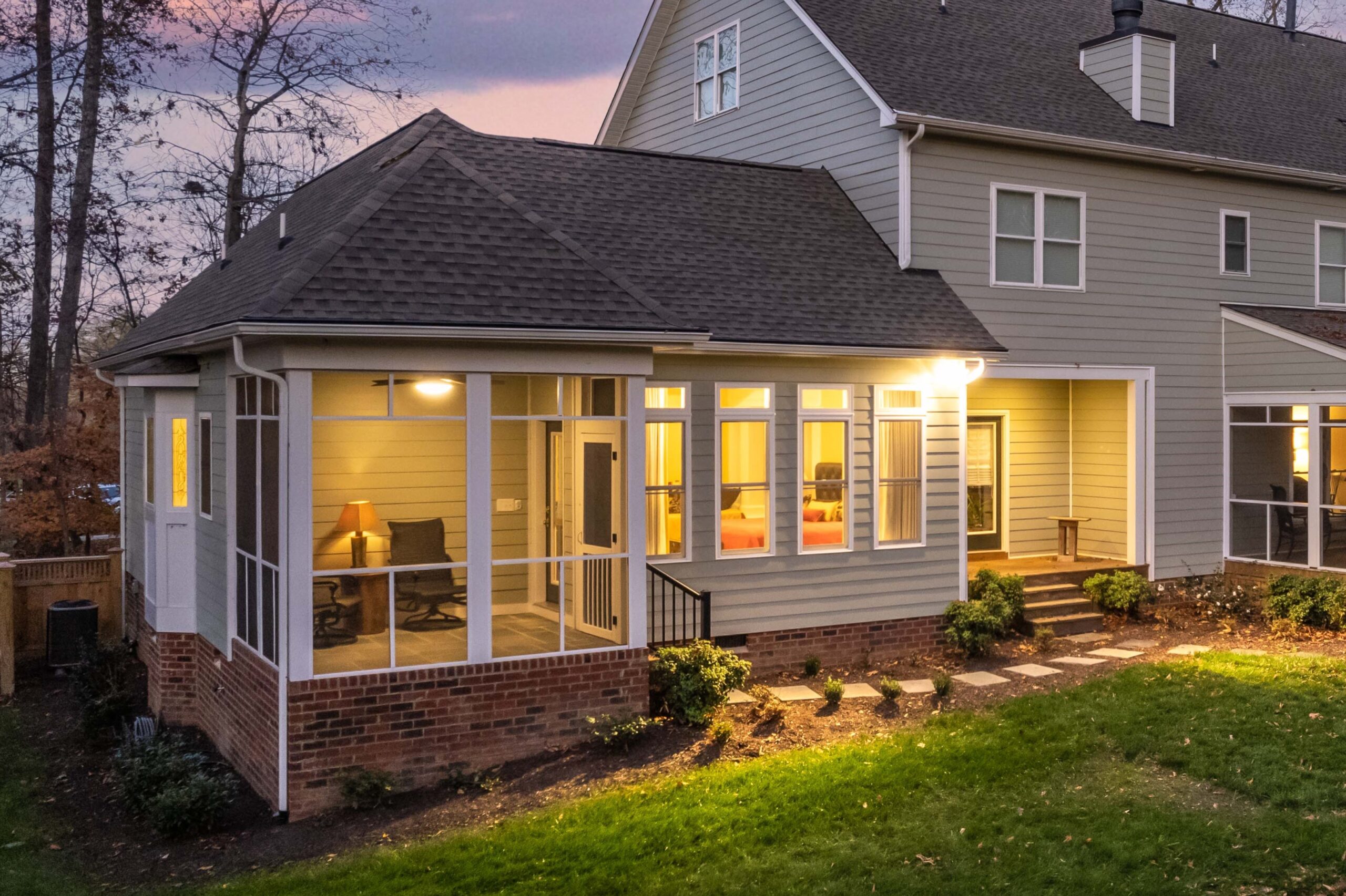


The decision of whether to engage an architect or a builder first when planning a home construction or renovation project in Richmond is a critical one. This initial choice can significantly impact the project’s trajectory, cost, efficiency, and the final outcome. Understanding the distinct roles and responsibilities of each professional, as well as the advantages and disadvantages of commencing with one over the other, is paramount for homeowners. This article will explore these considerations and introduce how a firm like ASD4Design can assist in making this foundational decision.
An architect serves as the designer and visionary for a construction project. Their expertise lies in translating a client’s needs, desires, and functional requirements into a coherent and aesthetically pleasing design. When a homeowner approaches an architect first, they are essentially initiating the project with a focus on the conceptualization and planning phase.
Understanding Design Intent and Functionality
Engaging an architect at the outset allows for a thorough exploration of how the homeowner intends to use their space. This involves detailed consultations to understand daily routines, lifestyle, family needs, and aspirations for the property. An architect will then translate these abstract ideas into tangible blueprints, elevations, and 3D models. This process is akin to an artist sketching preliminary outlines before committing to paint; it establishes the essential form and structure.
Needs Assessment and Space Planning
The architect’s primary task is to perform a comprehensive needs assessment. This is not merely about the number of bedrooms or bathrooms but about the flow between spaces, the quality of natural light, the views sought, and the overall atmosphere. For instance, a growing family might require more communal living areas, while a retired couple might prioritize accessibility and low-maintenance design. Space planning involves optimizing the layout to ensure efficient use of square footage and to create a harmonious environment.
Conceptualization and Aesthetic Development
Beyond mere functionality, architects are trained to imbue a project with a distinct aesthetic. This involves understanding architectural styles, historical context, and contemporary design trends. For a Richmond homeowner, this might mean incorporating elements that resonate with the city’s architectural heritage or opting for a modern design that complements its urban setting. The architect presents conceptual designs, often through sketches and mood boards, to guide the homeowner towards a specific aesthetic direction.
The Benefits of an Architect-Led Start
Starting with an architect offers several key advantages. The design process is often more thorough, leading to a more refined and well-considered final product.
Detailed Drawings and Specifications
Architects produce detailed drawings and specifications that serve as the definitive guide for construction. These documents are comprehensive and leave little room for ambiguity. This meticulous approach can prevent misinterpretations during the building phase, which is crucial for avoiding costly errors. Think of these drawings as the detailed medical charts prepared by a doctor before surgery; they outline every step and contingency.
Navigating Permits and Regulations
Architects are well-versed in local building codes, zoning laws, and planning regulations. They can ensure that the design complies with all necessary requirements, streamlining the permit application process. This is particularly important in a historically rich and regulated city like Richmond, where specific guidelines may govern new construction and renovations.
Obtaining Accurate Bids and Quotes
With a complete set of architectural drawings and specifications, builders can provide more accurate and comparable bids. This transparency in the bidding process helps homeowners understand the potential costs involved and select a builder based on value rather than guesswork. It’s like having a detailed recipe to compare different chefs – you know what ingredients and steps are supposed to be involved.
Cost Control Through Design
While seemingly counterintuitive, starting with an architect can lead to better cost control. By thoroughly planning the design upfront, architects can identify potential cost-saving opportunities early on. They can also help homeowners make informed decisions about material choices and construction methods that align with their budget without compromising the overall vision. This proactive approach prevents costly changes down the line.
When considering the best approach for your home project, it’s essential to understand the roles of both architects and builders. In the article “Architect vs Builder First? What Richmond Homeowners Should Do,” homeowners can gain valuable insights into the decision-making process. To ensure your project starts on the right foot, ASD4Design offers expert guidance and support tailored to your needs. For more information on how ASD4Design can assist you in navigating your home design and construction journey, visit their website at ASD4Design.
The Builder’s Role in Project Execution
A builder, also known as a contractor, is primarily responsible for the physical construction of a project. Their expertise lies in the practical application of architectural plans, project management, and the coordination of trades. Engaging a builder first shifts the focus to the execution phase.
Project Management and Construction Execution
Builders oversee the day-to-day operations on the construction site. This includes scheduling subcontractors, managing the flow of materials, and ensuring that the work is performed safely and efficiently according to the design specifications.
Site Organization and Logistics
The builder is responsible for preparing the site for construction, ensuring proper access for materials and workers, and organizing the work in a logical sequence. This logistical planning is essential for a smooth construction process.
Subcontractor Coordination
Most construction projects involve specialized trades such as plumbers, electricians, carpenters, and roofers. The builder acts as the general contractor, coordinating the work of these subcontractors to ensure they collaborate effectively and complete their tasks on time.
Realizing the Design Within Budget and Schedule
A builder’s core responsibility is to bring the architect’s vision to life within the agreed-upon budget and timeframe. This requires strong project management skills and a deep understanding of construction processes.
Material Sourcing and Procurement
Builders have established relationships with suppliers and are adept at sourcing and procuring the necessary materials for the project. They can often secure better pricing due to their volume and industry connections.
Quality Control and Craftsmanship
The builder is accountable for the quality of the workmanship. They oversee the construction process to ensure that it meets industry standards and the specific requirements outlined in the architectural drawings.
Architect vs. Builder First: The Core Decision

The decision of which professional to engage first is not a universally right or wrong answer but depends heavily on the homeowner’s specific situation, project complexity, and personal preferences.
Scenario 1: Starting with the Architect
- When is this ideal? For complex renovations, new home builds, or when a specific architectural vision and high degree of customization are desired. It is also beneficial when the homeowner is less experienced with construction projects and seeks expert guidance from the conceptual stage.
- Advantages: Leads to a more refined and custom design, better cost control through upfront planning, streamlined permitting, and more accurate builder bids. This approach prioritizes a well-defined plan before any physical work begins.
- Disadvantages: Can be a longer process initially, as design development takes time. The homeowner might incur design fees before any actual construction costs.
Scenario 2: Starting with the Builder
- When is this ideal? For simpler projects, such as minor renovations or additions where the design is relatively straightforward. It can also be suitable for homeowners who have a clear idea of what they want and are comfortable working collaboratively with a builder on the design aspects, or for those with a very tight budget seeking the most cost-effective construction route from the outset.
- Advantages: Can potentially be faster to start physical work, may offer more cost certainty from the initial stages of engagement, and allows for construction feasibility to influence design choices early on.
- Disadvantages: The design might be less innovative or custom. There’s a higher risk of design changes during construction, leading to cost overruns and delays. The homeowner might not have the benefit of a design professional solely focused on their aesthetic and functional needs.
The Hybrid Approach: Collaboration from the Outset

Increasingly, successful projects are realized through a collaborative approach where homeowners, architects, and builders work together from the early stages. This integrated team model can offer the best of both worlds.
Integrated Project Delivery (IPD) Principles
While formal IPD contracts are complex, the underlying principle of early collaboration is highly beneficial. When an architect and builder are involved in preliminary discussions and feasibility studies together, potential issues can be identified and resolved before they become significant problems.
Early Budgeting and Feasibility Discussions
Involving a builder early allows for preliminary cost evaluations of design concepts. This means the architect can design in a way that is cost-effective, and the builder can identify potential construction challenges or material sourcing issues that might affect the budget or timeline. This is like a chef and a materials scientist discussing a recipe – the feasibility of ingredients and cooking methods are considered alongside the taste.
Value Engineering Through Collaboration
Value engineering is a systematic method to improve the “value” of goods or products and services by examining function. In construction, it involves finding ways to reduce costs without sacrificing quality or essential functions. An architect and builder working together can perform value engineering more effectively, identifying alternative materials or construction methods that achieve the desired design outcomes at a lower cost.
Enhanced Communication and Problem-Solving
When all parties are aligned from the start, communication channels are open, and trust is built. This fosters a more proactive problem-solving environment, where challenges are addressed collaboratively rather than adversitously.
In the ongoing debate of Architect vs Builder, Richmond homeowners often find themselves at a crossroads when planning their dream projects. A related article that delves deeper into this topic is “Architect vs Builder: What Richmond Homeowners Should Do,” which provides valuable insights into the roles each professional plays in the construction process. To ensure that your project gets off to the right start, consider how ASD4Design can assist you in navigating these decisions and creating a cohesive vision for your home. For more information on how to begin your journey, visit ASD4Design and explore the resources available to you.
How ASD4Design Can Guide Richmond Homeowners
| Metric | Architect First | Builder First | How ASD4Design Helps |
|---|---|---|---|
| Project Planning | Comprehensive design and feasibility analysis | Focus on construction methods and timelines | Provides expert guidance to balance design and build phases |
| Cost Estimation Accuracy | Initial estimates based on design concepts | More precise cost estimates from builder experience | Integrates architect and builder input for realistic budgeting |
| Customization | High level of design customization | Limited customization based on builder’s standard practices | Helps homeowners achieve tailored designs with build feasibility |
| Timeline Control | Design phase may extend project start | Faster project initiation but possible design compromises | Coordinates schedules to optimize design and construction timing |
| Risk Management | Design risks identified early | Construction risks managed during build | Offers comprehensive risk assessment from design to build |
| Richmond Homeowner Recommendation | Best for unique, custom homes requiring detailed design | Best for straightforward projects with tight timelines | ASD4Design ensures the right approach based on project goals |
ASD4Design is a firm that can act as a pivotal guide for Richmond homeowners navigating the “architect vs. builder first” dilemma. Their approach integrates design expertise with a pragmatic understanding of the construction process, offering a pathway to initiating projects effectively.
Initial Consultation and Project Scoping
ASD4Design begins by understanding the homeowner’s vision, needs, budget, and timeline. This initial consultation is crucial for defining the scope of the project and determining the most appropriate starting point.
Needs Analysis and Goal Setting
The firm works with clients to clearly articulate their project goals. This involves in-depth discussions about how the space will be used, desired aesthetics, and any specific functional requirements. This is similar to a doctor taking a detailed patient history before prescribing treatment.
Budgetary Guidance and Feasibility Assessment
ASD4Design provides realistic guidance on project costs. They can assess the feasibility of a homeowner’s aspirations within their declared budget and offer advice on how to prioritize elements to achieve the best value.
Offering a Balanced Perspective
ASD4Design understands the distinct contributions of both architects and builders. They can advise homeowners on which professional or combination of professionals would be most beneficial for their specific project in the Richmond context.
Recommending the Right Professional Path
Based on the project’s complexity, scale, and the homeowner’s personal preferences, ASD4Design can recommend whether an architect-led design process, a builder-led approach, or an integrated collaborative model would be most advantageous. They act as a translator between the homeowner’s vision and the practicalities of construction.
Facilitating Early Collaboration
If they recommend an integrated approach, ASD4Design can facilitate introductions and establish communication protocols with experienced architects and builders in Richmond. This helps ensure that all parties are working towards a common objective from the outset.
Bridging the Design and Construction Gap
ASD4Design’s strength lies in their ability to bridge the gap between the conceptual design phase and the practical realities of construction. They understand that a beautiful design is only as good as its buildability.
Design Development with Construction in Mind
When involved in the design phase, ASD4Design can ensure that designs are not only aesthetically pleasing but also practical to build, cost-effective, and compliant with local regulations. This proactive approach minimizes the risk of unforeseen issues during construction.
Project Planning and Pre-Construction Services
ASD4Design offers services that lay the groundwork for a successful construction. This can include developing detailed project plans, refining budgets, and preparing for the bidding process, regardless of whether the initial engagement was with an architect or a builder. They are the stage managers ensuring everyone knows their cues before the curtain rises.
Conclusion: Charting the Right Course for Your Richmond Project
The decision to start a Richmond home project with an architect or a builder is a fundamental one that requires careful consideration. A well-conceived design, informed by the homeowner’s needs and executed with professional skill, is the foundation of a successful construction. ASD4Design provides a valuable service by guiding homeowners through this crucial initial decision, offering a balanced perspective and facilitating a collaborative approach that maximizes the potential for a positive outcome. By understanding the distinct roles of architects and builders, and by leveraging the expertise of firms like ASD4Design, Richmond homeowners can chart the right course for their project from conception to completion.
FAQs
1. Should Richmond homeowners hire an architect or a builder first?
Richmond homeowners should typically hire an architect first to develop a clear design and plan for their project. This ensures that the builder has detailed specifications to follow, which helps avoid costly changes during construction.
2. What role does an architect play in a home construction project?
An architect designs the layout, structure, and aesthetics of the home, ensuring it meets the homeowner’s needs, local building codes, and zoning regulations. They create detailed plans and drawings that guide the construction process.
3. How can a builder assist after the architect’s plans are complete?
Once the architect’s plans are finalized, the builder takes over to manage the construction process, source materials, hire subcontractors, and ensure the project is completed on time and within budget.
4. How does ASD4Design help Richmond homeowners start their projects the right way?
ASD4Design offers expert architectural design services tailored to Richmond homeowners, helping them create functional and beautiful home plans. They guide clients through the initial design phase, ensuring a smooth transition to the building stage.
5. Can ASD4Design coordinate between architects and builders?
Yes, ASD4Design can facilitate communication and coordination between architects and builders, helping to streamline the project and reduce misunderstandings or delays during construction.