
Aging in place refers to the ability of an individual to remain in their home safely and independently as they age. For homeowners in Richmond, Virginia, this concept is gaining traction as a practical and desirable approach to later life. Traditional home designs often present challenges for older adults, creating barriers to independence and comfort. Aging-in-place design solutions aim to mitigate these challenges by incorporating features that enhance safety, accessibility, and overall well-being, allowing residents to continue living in their familiar surroundings for years to come.
This article will explore aging-in-place home design solutions specifically tailored for Richmond homeowners. It will delve into how ASD4Design, an architectural firm, prioritizes comfort, accessibility, and longevity in their approach. The discussion will cover the fundamental principles of aging-in-place design, practical applications for residential spaces, and the benefits of investing in such modifications.
Aging-in-place design is not about creating a sterile, institutional environment. Instead, it focuses on thoughtful modifications that support an individual’s evolving needs. The core principles revolve around enhancing safety, promoting independence, and adapting the living space to accommodate physical changes. This foresight transforms a house from a static structure into a dynamic, adaptable sanctuary.
Safety First: Preventing Accidents and Falls
Falls are a significant concern for older adults, and home design plays a crucial role in their prevention. Modifications that address common tripping hazards, improve lighting, and provide support can drastically reduce the risk of injury.
Addressing Tripping Hazards in Richmond Homes
Many Richmond homes, particularly older ones, may have uneven flooring, loose carpets, or cluttered pathways. Identifying and rectifying these potential hazards is paramount. This can include installing non-slip flooring in kitchens and bathrooms, ensuring adequate clearance around doorways and furniture, and securing rugs and carpets. The goal is to create clear, unobstructed pathways throughout the home, much like ensuring a smooth, well-maintained road for a familiar journey.
Enhancing Lighting for Improved Visibility
Adequate lighting is a cornerstone of home safety. As vision can decline with age, insufficient light can lead to missteps and disorientation. Aging-in-place design emphasizes layered lighting solutions, including task lighting for specific activities, ambient lighting for general illumination, and accent lighting to highlight pathways and potential obstacles.
Task Lighting for Daily Activities
In areas like kitchens for food preparation or reading nooks, focused task lighting is essential. Undercabinet lighting in kitchens, for example, illuminates countertops, reducing the risk of cuts or spills. Bright, focused lamps in living areas can aid in reading or hobbies, preventing eye strain and improving the perception of depth.
Ambient and Accent Lighting for Navigation
Throughout the home, soft, diffused ambient lighting creates a general sense of brightness, reducing harsh shadows. Accent lighting strategically placed along hallways, staircases, and entrances can highlight changes in elevation or potential hazards, guiding occupants safely through the space. Motion-activated lights in hallways or bathrooms can be particularly beneficial for nighttime navigation, acting as unobtrusive guardians.
Providing Support and Stability
Grab bars, handrails, and other support devices are not solely for individuals with severe mobility impairments. They offer an invaluable sense of security and stability for anyone navigating a home, especially during moments of imbalance.
Strategically Placed Grab Bars
Bathrooms are a primary focus for grab bar installation, particularly near toilets and in shower/tub areas. However, grab bars can also be beneficial alongside staircases, at entryways, and in hallways where an extra hand might be needed. Their placement should consider the typical movements and needs of the occupants.
Accessible Handrails for Stairways
Staircases can be formidable obstacles for aging individuals. Installing sturdy, continuous handrails on both sides of staircases provides crucial support and helps prevent falls. If a staircase is particularly long or steep, consider installing a stair lift as a more advanced accessibility solution.
Promoting Independence: Empowering Daily Living
Independence is inextricably linked to dignity and quality of life. Aging-in-place design seeks to remove physical barriers that hinder daily tasks, allowing individuals to maintain their autonomy.
Kitchen Modifications for Easier Use
The kitchen is often the heart of the home, and its functionality can significantly impact an individual’s independence. Modifications here focus on making cooking, cleaning, and accessing food and appliances more manageable.
Accessible Countertops and Storage
Adjustable-height countertops, or even lower countertops in specific areas, can make food preparation more comfortable. Pull-out shelves, lazy Susans, and drawer organizers in cabinets and pantries bring stored items within easy reach, eliminating the need for bending or stretching.
Appliance Placement and Controls
Installing appliances at accessible heights is crucial. This can include wall ovens, dishwashers, and microwaves that are not mounted too high or too low. Furthermore, selecting appliances with easy-to-read controls and simple operation, perhaps with larger buttons or digital displays, enhances usability.
Bathroom Adaptations for Safety and Comfort
The bathroom is another area that requires particular attention due to the inherent risks of wet surfaces and the need for personal care.
Walk-In Showers and Curbless Entry
Replacing traditional bathtubs with walk-in showers that have curbless entry is a significant safety improvement. This eliminates the high threshold that can be a major tripping hazard. Installing shower seats, either fold-down or integrated, provides a safe and comfortable place to sit during bathing.
Raised Toilet Heights and Support
Standard toilets can be difficult to sit on and stand up from for individuals with limited mobility. Installing a raised toilet seat or a comfort-height toilet can make a substantial difference. The aforementioned grab bars are also essential in this area.
Bedroom and Living Area Enhancements
Beyond the kitchen and bathroom, other living spaces can also be adapted to enhance comfort and accessibility.
Furniture Arrangement for Mobility
Arranging furniture to create clear pathways and ample space for maneuverability is vital. Avoid placing furniture too close together, which can impede movement, especially for those using assistive devices.
Accessible Controls and Technology Integration
Placing light switches, thermostats, and other controls at accessible heights, typically between 36 and 48 inches from the floor, is a key design consideration. Integrating smart home technology can also empower individuals, allowing them to control lighting, temperature, and even security systems with voice commands or simple app interfaces.
Longevity and Adaptability: Designing for the Future
Aging-in-place design is not a one-time fix; it’s an investment in the long-term livability of a home. Solutions should be chosen with an eye towards future needs and the potential for further adaptation.
Modular and Flexible Design Elements
Incorporating design elements that can be easily modified or adapted as needs change offers significant long-term value. This can include plumbing and electrical rough-ins for future additions like elevators or specialized lifts, or the use of modular components that can be reconfigured.
Universal Design Principles
Universal design is an approach to design that benefits people of all ages and abilities. Incorporating universal design principles from the outset creates a home that is inherently more accessible and comfortable for everyone. This includes features like wider doorways, lever-style door handles, and single-level living where possible.
Aging-in-place home design solutions are essential for Richmond homeowners looking to create a comfortable and accessible living environment as they age. A related article, Designing Outdoor Living Spaces That Extend the Home, highlights how thoughtful design can enhance the overall quality of life for seniors. ASD4Design focuses on comfort, accessibility, and longevity to ensure that homes not only meet the current needs of their occupants but also adapt to future requirements. By integrating features that promote ease of movement and safety, ASD4Design aims to empower homeowners to enjoy their spaces for years to come.
ASD4Design’s Approach: Comfort, Accessibility, and Longevity
ASD4Design, as a design firm, recognizes the profound impact of a well-designed living environment on an individual’s quality of life, particularly as they age. Their focus on comfort, accessibility, and longevity forms the bedrock of their aging-in-place solutions. Their approach is not simply about adding features; it’s about weaving them seamlessly into the existing fabric of a home, creating spaces that are both functional and aesthetically pleasing.
Prioritizing Comfort: More Than Just Aesthetics
Comfort in aging-in-place design extends beyond soft cushions and pleasing color palettes. It encompasses physical ease, emotional well-being, and a sense of belonging within one’s own home. ASD4Design aims to create environments where residents feel relaxed, secure, and empowered.
Ergonomic Considerations in Daily Living
Ergonomics focuses on designing for human efficiency and comfort. For aging-in-place, this translates to considering how everyday tasks are performed and designing spaces that minimize strain and maximize ease.
Seating and Resting Areas
Thoughtful placement of comfortable seating areas throughout the home provides opportunities for rest and relaxation. This might include a well-supported armchair in the living room, a bench in a hallway, or a comfortable seat in the kitchen.
Ease of Movement and Operation
From door handles to cabinet pulls, every touchpoint is considered. Lever-style door handles are easier to operate than knobs for individuals with arthritis or reduced grip strength. Pull-out drawers and accessible hardware on cabinets reduce the need for bending and reaching.
Creating a Welcoming and Familiar Atmosphere
The emotional aspect of comfort is equally important. Aging in place is about remaining in a cherished home, surrounded by familiar memories and surroundings. ASD4Design aims to preserve this sense of familiarity while introducing necessary modifications.
Integrating New Designs with Existing Architecture
Rather than imposing a starkly modern or clinical feel, ASD4Design strives to integrate new design elements harmoniously with the existing architectural style of Richmond homes. This ensures that the modifications feel like a natural extension of the house, not an intrusion.
Personalization and Choice
While providing essential functional improvements, ASD4Design also emphasizes personalization. Allowing homeowners to choose materials, colors, and finishes that reflect their personal taste ensures that the modified space remains their home.
Enhancing Accessibility: Removing Barriers, Fostering Independence
Accessibility is the cornerstone of aging-in-place. ASD4Design’s expertise lies in identifying and systematically addressing the physical barriers that can impede daily living. Their solutions are designed to empower individuals to move through their homes with ease and confidence.
Navigating the Home Seamlessly
The ability to move freely and safely from room to room is fundamental. ASD4Design focuses on creating clear, uncluttered pathways and ensuring safe transitions between different levels or areas of the home.
Open Floor Plans and Wider Doorways
Where feasible, modifications that promote open floor plans can significantly improve navigation. Wider doorways, typically 32 to 36 inches, accommodate wheelchairs, walkers, and simply provide more comfortable passage for all.
Staircase and Ramp Solutions
For homes with multiple levels, ASD4Design explores various solutions from reinforcing existing staircases with robust handrails to recommending the installation of stair lifts or even elevators, depending on the client’s needs and the home’s structure. Ramps, whether permanent or temporary, can also provide crucial access to entryways or different levels.
Ensuring Safe and Functional Personal Spaces
Bathrooms and kitchens, as previously discussed, are critical areas for accessibility modifications. ASD4Design’s approach ensures these spaces are not only safe but also highly functional for daily use.
Custom Shower Designs
Beyond walk-in showers, ASD4Design might design custom shower enclosures with specific features like built-in benches, specialized shower heads, or strategic grab bar placement tailored to the individual’s needs.
Kitchen Workflow Optimization
The firm analyzes the user’s typical kitchen workflow to optimize the placement of appliances, storage, and workspaces for maximum efficiency and minimal physical strain. This might involve rethinking the standard kitchen triangle or creating dedicated zones for specific tasks.
Designing for Longevity: A Home That Grows with You
The concept of longevity in aging-in-place design means creating a home that can adapt to changing needs over time without requiring extensive and costly renovations. ASD4Design considers the future, building flexibility into their solutions.
Future-Proofing the Home
This involves anticipating potential future requirements and incorporating design elements that can be easily upgraded or expanded upon.
Pre-Wiring for Future Technologies
ASD4Design can pre-wire homes for future technological advancements, such as smart home systems, medical alert devices, or even powered window coverings. This saves significant disruption and cost if these systems are desired later.
Structural Considerations for Adaptability
When making structural modifications, ASD4Design considers how these might be adapted in the future. For example, reinforcing a wall for a future bathroom renovation or ensuring that floor plans allow for the potential removal of non-load-bearing walls.
Investing in Durable and Low-Maintenance Materials
Longevity also implies durability and ease of maintenance. Choosing materials that are resilient and require minimal upkeep reduces long-term burden on the homeowner.
Flooring Selection for Durability and Traction
Materials like luxury vinyl plank (LVP), engineered hardwood, or certain types of tile offer excellent durability and are easier to maintain than carpet. Their inherent traction can also contribute to safety.
Easy-Care Surfaces and Fixtures
Selecting countertops, backsplashes, and fixtures that are easy to clean and resist staining or wear contributes to a lower-maintenance environment, freeing up the homeowner’s time and energy.
The Richmond Context: Tailoring Solutions to Local Homes
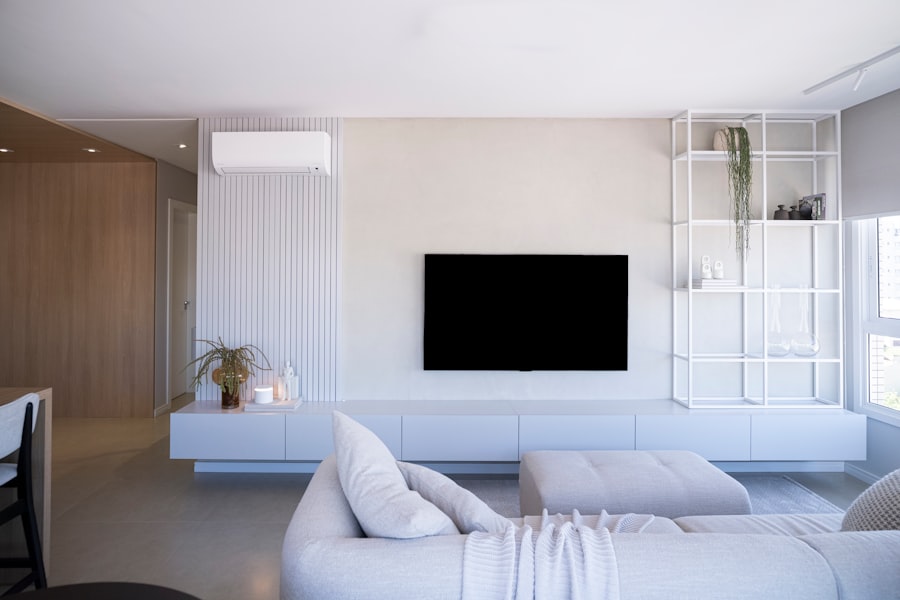
Richmond, Virginia, boasts a rich architectural heritage, with many homes reflecting various historical periods. This diversity presents unique challenges and opportunities for aging-in-place design. ASD4Design’s understanding of local architectural styles and common building practices allows them to create solutions that are both effective and sensitive to the existing character of Richmond residences.
Adapting to Historic Architecture
Older homes often have charming period features but can also present significant accessibility hurdles. ASD4Design’s expertise lies in carefully integrating modern accessibility solutions without compromising the historical integrity of the property.
Preserving Architectural Details While Enhancing Functionality
The firm works to find ways to incorporate grab bars, adjust counter heights, or widen doorways in a manner that complements the original design. This might involve custom millwork, carefully selected materials, or creative placement of elements.
Navigating Structural Limitations in Older Homes
Older homes may have smaller rooms, lower ceilings, or more complex structural elements. ASD4Design assesses these limitations and devises strategies to overcome them, focusing on the most impactful modifications.
Incorporating Modern Conveniences Thoughtfully
Even in modern Richmond homes, design trends may not always prioritize long-term accessibility. ASD4Design helps homeowners retrofit these spaces to meet the demands of aging in place.
Enhancing Open Concept Living for All Ages
While open concept designs can be beneficial, they may still require adjustments for accessibility, such as ensuring seamless transitions between living areas and appropriate flooring choices.
Integrating Smart Home Technology for Enhanced Living
ASD4Design can guide homeowners in selecting and integrating smart home technologies that enhance both convenience and safety, from voice-activated lighting to automated security systems.
The Benefits of Aging-in-Place Design for Richmond Homeowners
Investing in aging-in-place design offers a multitude of benefits that extend beyond mere convenience. It fosters independence, enhances safety, and ultimately contributes to a higher quality of life for Richmond residents.
Maintaining Independence and Autonomy
The ability to remain in one’s own home allows individuals to maintain their routines, social connections, and sense of self. This psychological benefit is invaluable.
Avoiding the Disruption of Relocation
Moving from a familiar home, especially later in life, can be a significant emotional and logistical undertaking. Aging in place eliminates this disruption, allowing individuals to remain connected to their community and support networks.
Continuing Familiar Daily Routines
Having a home that supports their abilities allows individuals to continue performing daily tasks, as well as engaging in hobbies and social activities, fostering a sense of purpose and connection.
Enhancing Safety and Reducing Risk
The primary driver for many aging-in-place modifications is the significant reduction in the risk of accidents and injuries, particularly falls.
Peace of Mind for Homeowners and Families
Knowing that a home has been thoughtfully adapted for safety provides invaluable peace of mind for both the homeowner and their loved ones.
Proactive Prevention of Potential Hazards
By addressing potential risks before they become problems, aging-in-place design acts as a proactive measure, safeguarding well-being.
Improving Overall Quality of Life and Well-being
A home that is comfortable, accessible, and supportive contributes directly to an individual’s overall well-being.
Increased Comfort and Ease of Living
Eliminating physical barriers and optimizing functionality significantly enhances daily comfort and reduces frustration.
Greater Affordability in the Long Run
While there is an initial investment, aging in place is often more cost-effective than transitioning to assisted living facilities or nursing homes, especially when considering the emotional and social costs of relocation.
For Richmond homeowners considering Aging-in-Place home design solutions, understanding the importance of comfort, accessibility, and longevity is crucial. ASD4Design emphasizes these elements to create spaces that not only accommodate the current needs of residents but also adapt to their evolving requirements over time. By focusing on user-friendly layouts and features, ASD4Design ensures that homes remain functional and inviting as homeowners age. For more insights into their philosophy and approach, you can read about their commitment to thoughtful design in this related article.
Conclusion: A Blueprint for a Comfortable Future
| Design Solution | Metric/Feature | Benefit | Focus Area |
|---|---|---|---|
| Zero-Threshold Entryways | 100% wheelchair accessible | Eliminates tripping hazards and improves mobility | Accessibility |
| Lever-Style Door Handles | Easy grip for 95% of users with arthritis | Enhances ease of use and reduces strain | Comfort |
| Non-Slip Flooring | Slip resistance rating of R10 or higher | Prevents falls and increases safety | Safety & Longevity |
| Adjustable Lighting Controls | Supports 3 lighting levels for optimal visibility | Reduces eye strain and improves ambiance | Comfort |
| Wide Hallways and Doorways | Minimum width of 36 inches | Allows easy navigation for mobility aids | Accessibility |
| Durable Materials | Materials with 20+ years lifespan | Ensures long-term durability and reduces maintenance | Longevity |
| Bathroom Grab Bars | Installed in 100% of bathrooms | Provides support and prevents falls | Safety & Accessibility |
| Smart Home Integration | Voice-activated controls for 90% of devices | Enhances independence and convenience | Comfort & Accessibility |
Aging-in-place home design solutions are not a luxury but a practical and increasingly necessary consideration for Richmond homeowners who wish to maintain their independence and quality of life as they age. ASD4Design’s commitment to comfort, accessibility, and longevity provides a clear roadmap for transforming a house into a sustainable and supportive home. By thoughtfully addressing the unique challenges and opportunities presented by Richmond’s residential landscape, ASD4Design empowers individuals to remain in their cherished homes, embracing their later years with dignity, safety, and continued independence. The investment in such design is an investment in well-being and a testament to the enduring value of home.
FAQs
What does aging-in-place home design mean?
Aging-in-place home design refers to modifying or designing homes so that residents can live safely, comfortably, and independently in their own homes as they grow older. This includes features that enhance accessibility, reduce fall risks, and accommodate changing mobility needs.
Why is comfort important in aging-in-place home design?
Comfort is essential because it ensures that the living environment supports the physical and emotional well-being of older adults. Comfortable design elements, such as ergonomic layouts and temperature control, help maintain quality of life and reduce stress.
How does accessibility factor into aging-in-place solutions?
Accessibility involves creating spaces that are easy to navigate for individuals with varying mobility levels. This includes features like wider doorways, zero-step entries, grab bars, and lever-style handles, which help prevent accidents and promote independence.
What role does longevity play in home design for aging in place?
Longevity in home design means using durable materials and adaptable layouts that can accommodate future needs without requiring extensive renovations. This approach ensures the home remains functional and safe over many years.
Why does ASD4Design emphasize comfort, accessibility, and longevity in their projects?
ASD4Design focuses on these three elements to create homes that not only meet the immediate needs of aging residents but also provide a sustainable living environment. Their approach helps Richmond homeowners maintain independence, safety, and quality of life as they age.