
”’Bathroom Remodeling Design Tips from a Richmond Residential Architect: How ASD4Design Can Help You Avoid Costly Design Mistakes”’
Remodeling a bathroom can be a significant investment in a home. It involves not only aesthetic considerations but also complex functional and structural elements. Without careful planning and professional guidance, homeowners risk encountering costly errors that can delay projects, exceed budgets, and compromise the final outcome. This article, informed by the expertise of ASD4Design, a Richmond-based residential architecture firm, outlines essential design tips to navigate the complexities of bathroom remodeling and mitigate common pitfalls.
==Understanding the Scope and Setting Clear Objectives==
Before any demolition or material selection, a clear understanding of the project’s scope and objectives is paramount. This initial phase acts as the blueprint for the entire remodel.
===Defining Project Goals===
Homeowners should articulate their primary motivations for remodeling. Is the goal to enhance functionality, improve aesthetics, increase property value, accommodate evolving needs (e.g., aging-in-place), or a combination of these? A clear definition of goals helps in prioritizing features and making informed design decisions. For instance, a bathroom intended for aging-in-place will prioritize accessibility features over purely cosmetic upgrades.
===Establishing a Realistic Budget===
A detailed budget is the bedrock of any successful renovation. This financial framework should encompass not only materials and labor but also a contingency fund, typically 10-20% of the total budget, for unforeseen issues. It’s crucial to differentiate between “wants” and “needs” within the budget. ASD4Design emphasizes that a realistic budget prevents mid-project compromises driven by financial constraints.
===Considering Existing Structural Limitations===
Existing structural elements, such as load-bearing walls, plumbing stacks, and electrical conduits, can significantly impact design choices. Attempting to relocate major components without professional assessment can lead to structural compromise or exorbitant costs. An architect can identify these constraints early in the process, preventing design concepts from clashing with reality. For example, moving a toilet drain on a concrete slab foundation is considerably more complex and expensive than on a raised floor.
==Optimizing Layout and Functionality==
The layout of a bathroom directly influences its functionality and perceived spaciousness. A well-designed layout maximizes utility and comfort.
===Strategic Placement of Fixtures===
The ergonomic placement of essential fixtures—toilet, sink, shower, and bathtub—is crucial. Consider the “working triangle” concept often applied to kitchens, where these elements are positioned for optimal workflow. Ample clear space around each fixture is necessary for comfortable use and cleaning. For example, maintaining at least 15 inches from the center line of a toilet to any side wall or obstruction is a common building code requirement and good design practice.
===Addressing Traffic Flow===
In master bathrooms, particularly, traffic flow from bedrooms or dressing areas needs careful consideration. Avoid placing fixtures in paths that impede movement or create bottlenecks. If multiple people will be using the bathroom simultaneously, thoughtful placement of sinks and separation of areas (e.g., a separate toilet enclosure) can enhance functionality.
===Incorporating Storage Solutions===
Bathrooms often accumulate various items, from toiletries to linens. Integrated storage solutions are vital for maintaining a clutter-free and organized space. This can include recessed medicine cabinets, vanity drawers and shelves, built-in shower niches, and linen closets. Architects can design custom cabinetry that seamlessly blends with the overall aesthetic while maximizing storage capacity, preventing the “cabinet creep” problem where an insufficient initial plan leads to multiple standalone storage units.
==Selecting Materials and Finishes Wisely==
The choice of materials and finishes impacts both the aesthetic appeal and long-term durability of a bathroom. These selections must withstand moisture, frequent use, and cleaning.
===Durability and Water Resistance===
Given the inherent moisture in bathrooms, selecting materials that are durable and water-resistant is non-negotiable. Materials like porcelain or ceramic tile, natural stone (properly sealed), solid surface countertops, and moisture-resistant paint or wallpaper are preferred. Wood, while aesthetically pleasing, requires specific treatments or careful placement to prevent warping or rot. ASD4Design emphasizes that investing in high-quality, water-resistant materials upfront can prevent premature deterioration and costly repairs down the line.
===Maintenance Requirements===
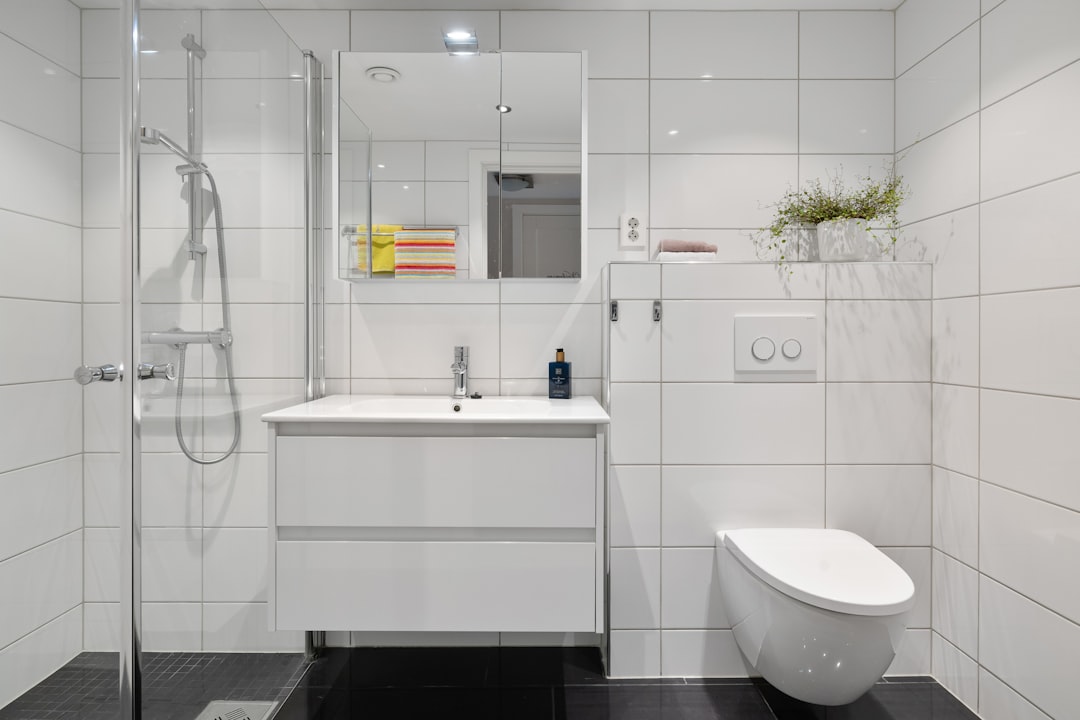
Consider the long-term maintenance of chosen materials. Some natural stones, for example, require regular sealing, while certain grout types are more prone to staining. Homeowners should assess their willingness and ability to maintain the materials. Low-maintenance options like large-format porcelain tiles or solid surface materials can be advantageous for busy households.
===Aesthetics and Cohesion===
While individual material choices are important, their collective aesthetic impact is equally critical. Strive for a cohesive design that aligns with the overall style of the home and the homeowner’s personal preferences. This involves considering color palettes, textures, and patterns. An architect can help curate a material palette that achieves a desired aesthetic while ensuring practicality and longevity, avoiding the “patchwork quilt” effect where disparate materials create a jarring visual.
==Integrating Lighting and Ventilation==
Proper lighting and ventilation are not merely functional requirements; they significantly contribute to the comfort, health, and ambiance of a bathroom.
===Layered Lighting Design===
A single overhead light is rarely sufficient for a bathroom. A layered lighting approach includes:
- Ambient lighting: General illumination for the entire space, often provided by recessed lights or a central fixture.
- Task lighting: Focused light for specific activities, such as vanity lights flanking or above the mirror for grooming.
- Accent lighting: For highlighting architectural features or artwork, though less common in bathrooms, it can add depth.
- Natural light: Maximizing natural light through windows or skylights can make a bathroom feel larger and more inviting, while also reducing the need for artificial lighting during the day.
===Effective Ventilation Systems===
Adequate ventilation is crucial for preventing moisture buildup, which can lead to mold and mildew growth, and damage to surfaces. An exhaust fan, properly sized for the bathroom’s volume and vented directly to the exterior, is essential. Consider models with humidity sensors for automatic operation. ASD4Design often recommends fans with a low sone rating (noise level) for improved user comfort.
==Addressing Accessibility and Future Needs==
Designing a bathroom with future needs in mind can enhance its long-term value and functionality, particularly as household demographics change.
===Universal Design Principles===
Universal design aims to create spaces that are usable by people of all ages and abilities. In a bathroom, this can mean:
- Wider doorways: Ensuring doorways are at least 32-36 inches wide.
- Curbless showers: Eliminating thresholds for easier access, even for wheelchair users.
- Reinforced walls: Installing blocking within walls during construction to support future grab bar installation without extensive renovation.
- Comfort-height toilets: Toilets that are higher than standard models, making them easier to use for many individuals.
- Lever handles: Easier to operate than knobs, particularly for those with limited dexterity.
===Planning for Aging-in-Place===
For homeowners planning to remain in their homes long-term, incorporating “aging-in-place” features from the outset can save significant costs and disruption later. This proactive approach ensures the bathroom remains functional and safe as physical needs evolve. For example, an architect can design a shower that can accommodate a bench and handheld showerhead when needed, rather than requiring these to be added as an afterthought.
==How ASD4Design Can Help You Avoid Costly Design Mistakes==
Engaging a residential architect like ASD4Design provides a structured approach to bathroom remodeling that significantly reduces the likelihood of costly errors. An architect acts as a project’s compass, guiding it through complex terrain.
===Comprehensive Site Analysis and Feasibility Studies===
ASD4Design initiates projects with a thorough analysis of the existing conditions. This includes evaluating structural integrity, assessing plumbing and electrical systems, and identifying potential code compliance issues. This upfront due diligence uncovers hidden challenges before they become expensive problems. For example, discovering a crucial load-bearing wall only after demolition has begun can lead to extensive and costly structural modifications.
===Expert Design and Space Planning===
Architects possess specialized knowledge in space planning, ergonomics, and material science. ASD4Design translates client visions into detailed architectural drawings that optimize layout, circulation, and functionality. This includes 2D plans and often 3D renderings, allowing clients to visualize the final outcome accurately and make informed decisions, preventing the “design by committee” problem where too many disparate ideas lead to a chaotic result. They can anticipate how various elements will interact and proactively solve potential conflicts, like ensuring sufficient clearance for a vanity door to open without hitting a toilet.
===Material Specification and Vendor Selection Guidance===
With an extensive understanding of available products and their performance characteristics, ASD4Design guides clients in selecting appropriate materials and finishes. They can recommend durable, aesthetically pleasing options that fit within the budget and assist in navigating the vast array of choices, ensuring that selections not only look good but also perform well in a bathroom environment. This prevents the “analysis paralysis” that can occur when faced with too many similar options.
===Code Compliance and Permitting Assistance===
Navigating local building codes and obtaining necessary permits can be a daunting process. ASD4Design ensures that all design elements comply with local regulations, preventing delays and potential fines. They prepare detailed construction documents required for permit applications, streamlining the approval process. A design that is meticulously planned for code compliance acts as a sturdy bridge, allowing the project to move smoothly over potential regulatory obstacles.
===Coordination with Contractors and Project Oversight===
While not always involved in full project management, ASD4Design can provide valuable oversight during construction. They can act as the client’s representative, ensuring that the contractor executes the design according to the prepared plans and specifications. This third-party oversight helps maintain quality control and addresses any on-site issues that may arise, acting as a crucial watchdog.
In conclusion, a bathroom remodel, while rewarding, is a multi-faceted undertaking. By adhering to sound design principles, informed by professional architectural guidance, homeowners can transform their bathrooms into functional, aesthetically pleasing, and enduring spaces, avoiding the costly and frustrating detours that often accompany unguided renovation efforts. ASD4Design offers the expertise to navigate this complex process, ensuring that the investment yields lasting value and satisfaction.
FAQs
What are some common design mistakes to avoid in bathroom remodeling?
Common design mistakes include poor space planning, inadequate lighting, insufficient storage, choosing inappropriate materials for moisture-prone areas, and neglecting ventilation. These errors can lead to functional issues and increased costs over time.
How can a residential architect from Richmond help with bathroom remodeling?
A residential architect can provide expert design advice tailored to your home’s layout and your personal needs. They ensure efficient use of space, compliance with building codes, and integration of aesthetic and functional elements, helping to avoid costly mistakes.
What role does ASD4Design play in bathroom remodeling projects?
ASD4Design offers professional architectural design services that focus on creating practical and stylish bathroom spaces. They help clients avoid design errors by providing detailed plans, material recommendations, and expert guidance throughout the remodeling process.
Why is proper ventilation important in bathroom design?
Proper ventilation prevents moisture buildup, which can cause mold, mildew, and structural damage. It also improves air quality and comfort, making the bathroom a healthier and more pleasant space.
How can lighting impact the functionality and aesthetics of a remodeled bathroom?
Good lighting enhances visibility, safety, and ambiance. Layered lighting, including task, ambient, and accent lights, can highlight design features, improve usability, and create a welcoming atmosphere in the bathroom.