
Home design is a significant undertaking. For residents of Richmond, Virginia, considering a custom home build, avoiding common pitfalls is crucial to realizing their vision without unnecessary cost or delay. ASD4Design emphasizes a foundational approach, prioritizing meticulous planning before the physical construction phase commences. This dedication to foresight is a cornerstone of their service, aimed at preventing costly missteps that can plague custom home projects.
The initial phase of custom home design is akin to laying the groundwork for a skyscraper. Without a solid understanding of the inhabitants’ needs, the structure, no matter how aesthetically pleasing, will ultimately be unstable. For Richmond homeowners, this means delving deeply into how they truly live, not just how they imagine they might live.
Articulating Functional Requirements
Beyond aesthetic preferences, a custom home must be a functional canvas for daily life. This involves a granular examination of how each space will be used, by whom, and at what times.
Daily Routines and Their Impact on Layout
Consider the morning rush: are multiple people getting ready simultaneously? This might necessitate a larger master bathroom with a double vanity or a strategically placed powder room. Think about the evening wind-down: do you prefer a quiet reading nook, or a more open living area for family interaction? These seemingly minor details, when systematically addressed, form the blueprint for a truly livable home. A failure to consider traffic flow within the home can lead to bottlenecks, much like a poorly designed road system causing congestion.
Future Needs and Adaptability
A custom home is an investment intended to last for many years. Therefore, anticipating future needs is as vital as addressing immediate ones.
Accommodating Family Growth or Changes
Will the family expand? Consider dedicated spaces for children’s play or a future nanny suite. As children grow and eventually leave home, do you envision repurposing these spaces for a home office, a hobby room, or a guest suite? Designing for flexibility now can save significant renovation costs down the line.
Accessibility Considerations
Even if not immediately required, incorporating elements that enhance accessibility can future-proof the home. This might include wider doorways, the provision for future stairlift installation, or a single-level living option for aging in place. This foresight prevents the need for extensive, disruptive remodels later.
Defining Aesthetic Goals Aligned with Lifestyle
While functionality is paramount, a custom home should also reflect the owner’s personal style. However, this aesthetic should be a natural extension of the lifestyle, not an imposed element.
Balancing Personal Taste with Practicality
A desire for a minimalist, open-concept living area, for instance, needs to be weighed against the practicalities of maintaining such a space with young children or pets. Discussing the realities of upkeep and daily use with a designer is crucial.
Researching Architectural Styles Relevant to Richmond
Richmond boasts a rich architectural heritage. Understanding styles prevalent in the area, such as Colonial Revival or Victorian, can provide inspiration. However, it’s essential to adapt these styles to modern living and personal preferences, rather than strictly adhering to historical dictates.
In the realm of custom home design, avoiding common pitfalls is crucial for Richmond, VA homeowners. An insightful article titled “Custom Home Design Mistakes Richmond VA Homeowners Should Avoid” highlights several key areas where missteps can occur, emphasizing the importance of careful planning. ASD4Design focuses on thoughtful planning before construction begins to ensure that each project aligns with the homeowner’s vision while adhering to practical considerations. By prioritizing this stage, they help clients navigate potential challenges and create spaces that are not only aesthetically pleasing but also functional and sustainable. For more information on their services, you can visit ASD4Design Services.
The Blueprint: The Importance of Detailed Plans
Once needs and aesthetics are understood, the detailed plans become the architect’s and builder’s instruction manual. Skipping steps here is akin to building a house without a proper set of blueprints; the result is often confusion, misinterpretation, and costly rework. ASD4Design’s emphasis on thorough planning means dedicating significant time to this stage.
Comprehensive Architectural Drawings
Well-executed architectural drawings are the bedrock of a successful custom build. They are the visual language that translates your vision into tangible reality.
Floor Plans and Their Implications
Detailed floor plans are not just about room dimensions. They illustrate the flow of movement, the relationship between spaces, and the placement of crucial elements like windows and doors. A seemingly minor adjustment in a doorway’s swing can have cascading effects on furniture placement or wall space. This level of detail prevents surprises and misinterpretations on site.
Elevations and Exterior Aesthetics
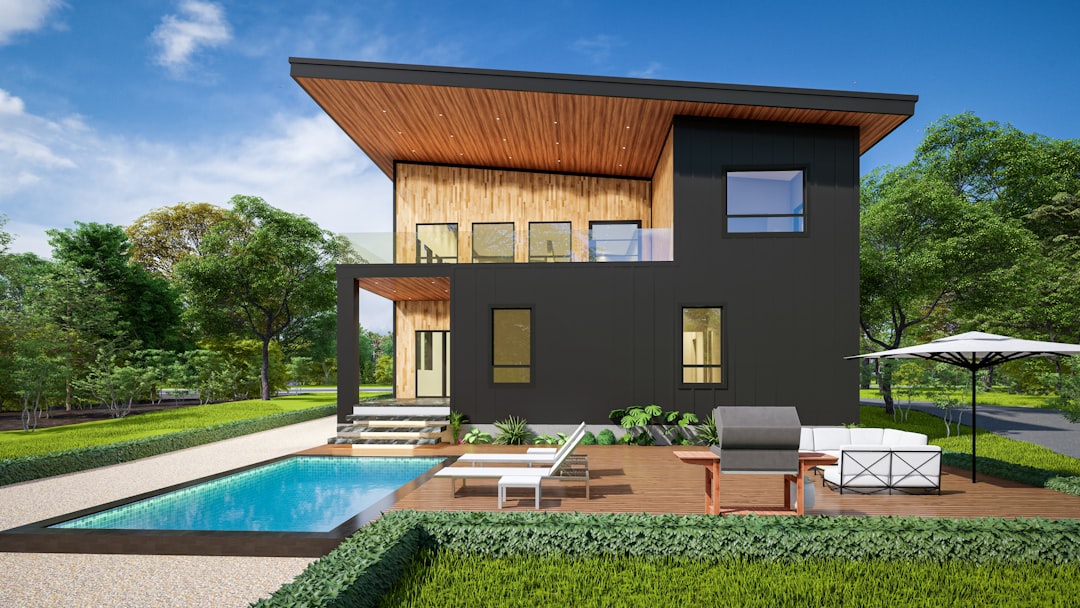
Elevations provide a view of the home from all sides, detailing the rooflines, window styles, materials, and overall massing. This is where the exterior character of the home is defined. A disconnect between desired aesthetics and the practicalities of building materials can lead to unexpected costs or compromises in the final look.
Navigating Structural and Mechanical Systems
Beyond the visible elements, the hidden systems of a home are critical to its comfort, efficiency, and longevity.
HVAC and Energy Efficiency Considerations
Underestimating the importance of a well-designed Heating, Ventilation, and Air Conditioning (HVAC) system is a common mistake. In Richmond’s variable climate, an efficient system is not a luxury but a necessity. Planning for proper insulation, window U-values, and the right-sized HVAC unit can significantly impact energy bills and interior comfort. Over-sizing an HVAC system, for example, leads to short cycling and poor dehumidification, while under-sizing results in a perpetually uncomfortable home.
Plumbing and Electrical Layouts
The placement of plumbing and electrical outlets might seem straightforward, but thoughtful planning can prevent future frustrations. Consider in-wall wiring for future entertainment systems, the optimal location for charging stations, and the number and placement of bathroom fixtures. A meticulously planned electrical layout is like having all the necessary tools readily at hand; a poorly planned one leads to constant searching and inconvenience.
The Kitchen and Bathrooms: High-Impact Spaces
These are typically the most frequently used and often most expensive areas of a custom home. Mistakes here can be particularly frustrating and costly to rectify. ASD4Design recognizes the criticality of these zones and dedicates ample planning time to them.
The Heart of the Home: Kitchen Design
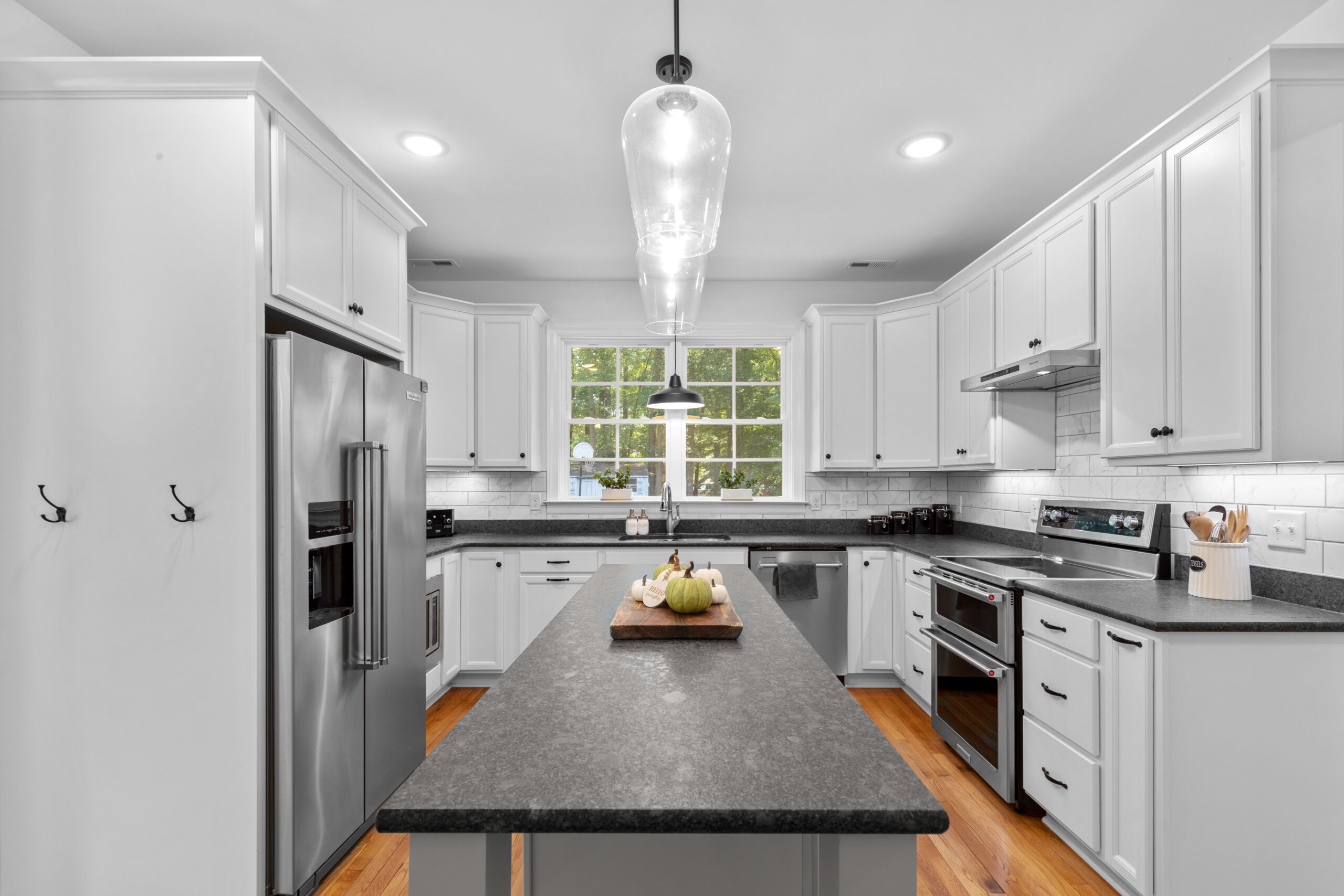
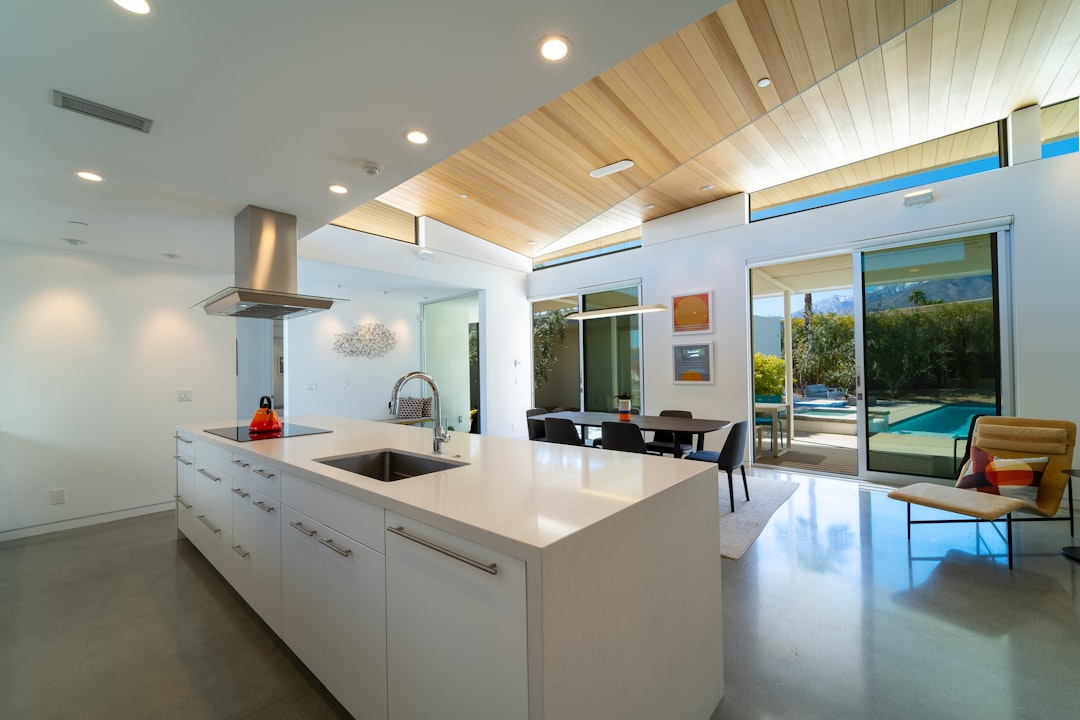
The kitchen is more than just a place to prepare food; it’s often a gathering space. Its design profoundly impacts daily life.
Optimizing the Work Triangle and Workflow
The concept of the kitchen work triangle (sink, stove, refrigerator) remains relevant. However, modern kitchens often involve multiple cooks or a more dynamic workflow. Planning for ample counter space, logical appliance placement, and efficient movement between these key areas is crucial. A kitchen without adequate workflow is like a chef trying to cook in a cluttered pantry.
Cabinetry, Countertops, and Appliance Selection
The materials chosen for cabinetry and countertops significantly influence both aesthetics and durability. Similarly, selecting appropriate appliances that meet the homeowner’s cooking habits and budget is vital. Over-specifying appliances can lead to unnecessary expense and complexity, while under-specifying can result in functionality issues.
Personal Sanctuaries: Bathroom Design
Bathrooms serve both utilitarian and spa-like functions. Their design requires a balance of practicality and comfort.
Functional Layout and Fixture Placement
Consider the number of users, the desired amenities (e.g., soaking tub, separate shower), and the optimal placement of fixtures to avoid a cramped or awkward layout. A well-designed bathroom maximizes space and functionality.
Material Selection for Durability and Aesthetics
Bathrooms are subject to moisture and frequent use. Selecting materials that are both water-resistant and aesthetically pleasing is essential. This includes tile choices, vanity materials, and lighting. A poorly chosen material in a high-moisture environment is a ticking time bomb for future repairs.
Site Considerations and Landscaping Integration
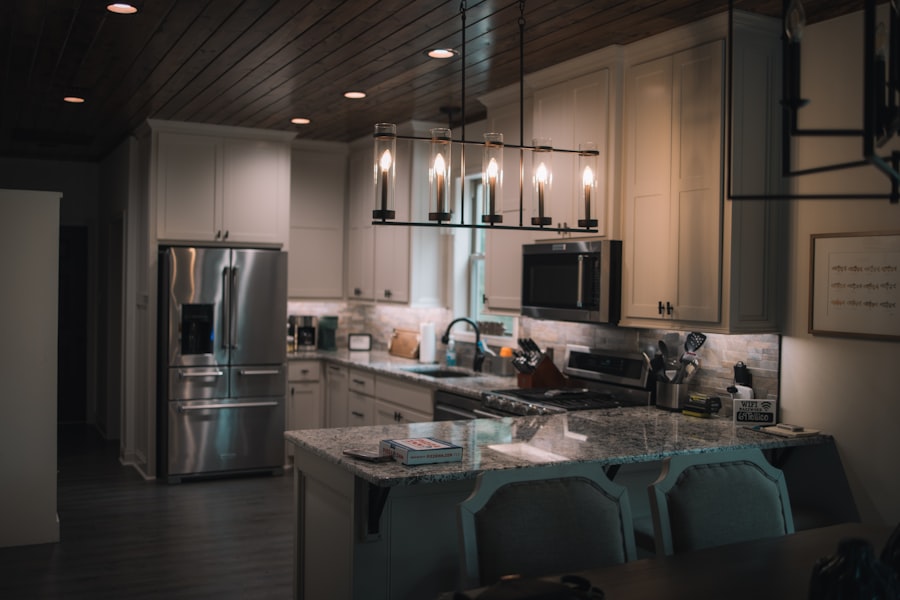
The surrounding land in Richmond is an integral part of the home’s design, not an afterthought. Failing to consider the site’s unique characteristics and how the home will interact with it is a common oversight.
Understanding the Building Site’s Nuances
Each plot of land has its own personality, including topography, soil conditions, and existing vegetation.
Topography and Drainage
The natural slope of the land dictates how water will drain. Improper drainage can lead to foundation issues, basement flooding, and landscape erosion. Careful site analysis can inform foundation design and grading to ensure proper water management. Ignoring topography is like building a boat on dry land; it’s fundamentally ill-suited to its environment.
Sunlight Exposure and Views
The direction of sunlight impacts a home’s natural light and heating. Planning window placement to maximize natural light and take advantage of desirable views, while mitigating harsh midday sun, can enhance comfort and reduce energy consumption.
Integrating the Home with its Environment
Landscaping and outdoor living spaces are extensions of the home. Their design should be considered concurrently with the architectural plans.
Outdoor Living Spaces and Their Purpose
Whether it’s a deck for entertaining, a patio for quiet reflection, or a play area for children, outdoor spaces should be designed with a clear purpose and seamlessly integrated with the home’s interior.
Sustainable Landscaping Practices for Richmond
Richmond’s climate and native plant life offer opportunities for sustainable landscaping. Choosing drought-tolerant species and designing for efficient water use can reduce maintenance and environmental impact.
When embarking on a custom home design journey, Richmond VA homeowners can benefit from understanding the common pitfalls to avoid, as highlighted in the article on Custom Home Design Mistakes. ASD4Design emphasizes the importance of thoughtful planning before construction begins to ensure that the final result aligns with the homeowner’s vision and lifestyle. This proactive approach not only helps in avoiding costly mistakes but also streamlines the entire process, making it more efficient and enjoyable. For more insights on effective planning, you can check out this informative piece on how to plan a seamless home addition and avoid common mistakes here.
The ASD4Design Approach: Thoughtful Planning as the Cornerstone
| Common Custom Home Design Mistakes | Impact on Project | Why Thoughtful Planning Matters | ASD4Design’s Approach |
|---|---|---|---|
| Inadequate Budget Planning | Cost overruns and delays | Ensures realistic financial expectations and resource allocation | Detailed budget analysis and transparent cost estimates before construction |
| Poor Space Utilization | Wasted space and reduced functionality | Maximizes livability and efficient use of every square foot | Customized floor plans tailored to homeowner lifestyle and needs |
| Ignoring Site Conditions | Structural issues and increased construction costs | Prevents costly modifications and ensures safety | Comprehensive site analysis and integration into design process |
| Lack of Future-Proofing | Difficulty adapting to changing needs | Supports long-term satisfaction and home value | Incorporates flexible design elements and scalable features |
| Skipping Professional Input Early | Design flaws and miscommunication | Facilitates clear vision and smooth project execution | Collaborative planning sessions with architects and builders before construction |
ASD4Design distinguishes itself by placing immense value on the pre-construction planning phase. This is not merely a technical step but a philosophical one, rooted in the belief that meticulous preparation is the most effective way to prevent common design pitfalls.
The ‘Why’ Behind Proactive Planning
The core of ASD4Design’s methodology is understanding that the time invested in detailed planning during the design stage pays dividends throughout the construction process and for the lifetime of the home.
Preventing Costly Rework and Change Orders
Change orders on a construction site are akin to unexpected detours on a road trip – they add time and expense. Thorough planning minimizes these by anticipating potential issues and resolving them on paper before they manifest in concrete and lumber.
Ensuring Budget Adherence and Predictability
Well-defined plans allow for more accurate cost estimations. When the scope of work is clearly understood from the outset, budget surprises are less likely. This transparency provides homeowners with greater confidence and control over their investment.
Minimizing Stress and Maximizing Satisfaction
The custom home building process can be stressful. By proactively addressing potential problems, ASD4Design aims to reduce the anxiety associated with construction. A well-planned project is a smoother journey, leading to a more enjoyable and ultimately more satisfying outcome for the homeowner.
ASD4Design’s Collaborative Process
ASD4Design views the design process as a partnership with the homeowner. This collaboration ensures that the final design is a true reflection of their needs and desires.
Open Communication and Client Input
From initial concept to final details, ASD4Design prioritizes open and honest communication. Client input is actively sought and integrated throughout the design evolution.
Expert Guidance and Problem-Solving
While prioritizing client vision, ASD4Design also brings its expertise to bear, offering informed guidance on materials, structural considerations, and design best practices. They act as navigators, guiding clients through the complexities of custom home design.
By investing in a robust planning process, ASD4Design empowers Richmond homeowners to avoid the common mistakes that can derail custom home projects, ensuring their new residence is not only beautiful but also a functional and enduring reflection of their lifestyle.
FAQs
1. What are common custom home design mistakes Richmond VA homeowners should avoid?
Common mistakes include inadequate planning, overlooking site-specific conditions, underestimating budget requirements, ignoring future needs, and selecting incompatible design elements that do not suit the local climate or lifestyle.
2. Why is thoughtful planning important before starting custom home construction?
Thoughtful planning helps ensure the design meets the homeowner’s needs, stays within budget, complies with local regulations, and addresses site-specific challenges. It reduces costly changes during construction and results in a more functional and efficient home.
3. How does ASD4Design approach the planning phase for custom homes?
ASD4Design emphasizes comprehensive planning by collaborating closely with clients to understand their goals, conducting thorough site analysis, and developing detailed design plans before construction begins. This approach minimizes errors and enhances project outcomes.
4. What benefits do Richmond VA homeowners gain from avoiding design mistakes?
Avoiding design mistakes leads to smoother construction, cost savings, improved home functionality, increased property value, and greater satisfaction with the final custom home.
5. Can thoughtful planning impact the timeline of a custom home project?
Yes, thoughtful planning can streamline the construction process by anticipating potential issues early, ensuring all necessary permits and approvals are secured, and providing clear guidance to contractors, which helps keep the project on schedule.