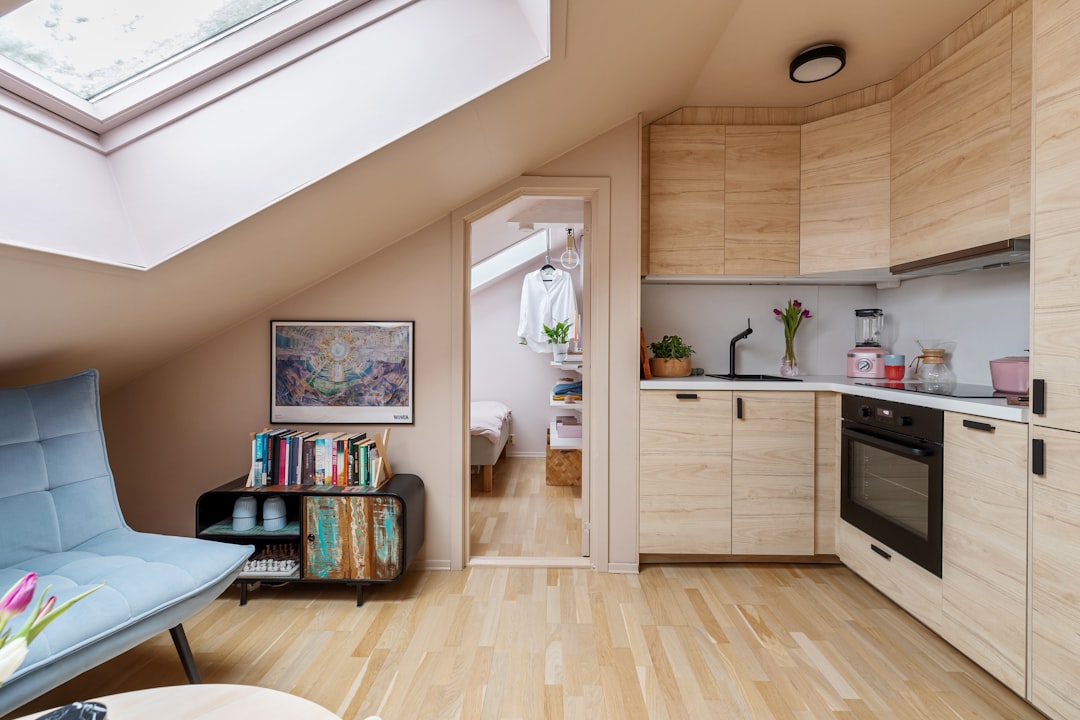

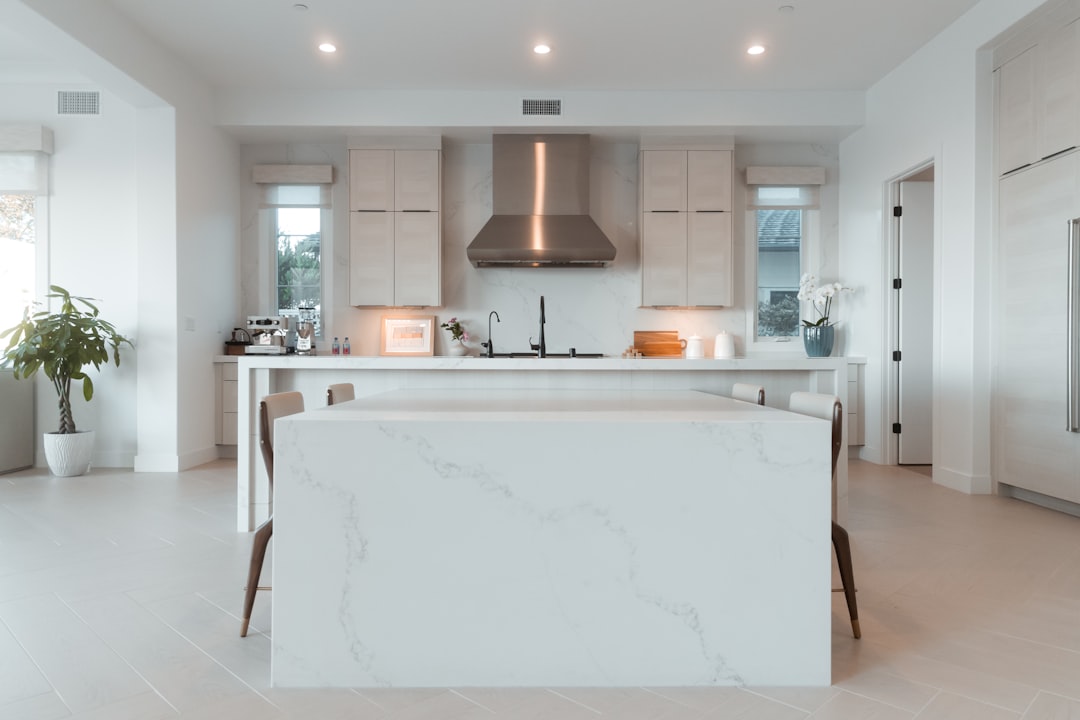
This article examines the principles of custom kitchen layout planning for families in Richmond, Virginia, with a specific focus on how ASD4Design integrates daily routines into its design process. The kitchen, often considered the heart of the home, serves a multifaceted role beyond mere food preparation. For Richmond families, its functionality, efficiency, and aesthetic appeal significantly impact the quality of daily life.
Beyond Culinary Operations
Historically, kitchens were primarily functional spaces dedicated to cooking and cleaning. However, contemporary family life has expanded their purpose. The kitchen now often functions as a casual dining area, a homework station, a place for social interaction, and even a home office hub. This evolution necessitates a departure from one-size-fits-all design approaches. A well-planned kitchen layout anticipates these diverse activities and creates distinct zones to accommodate them efficiently. Imagine a kitchen as a well-orchestrated symphony; each section must play its part harmoniously, allowing the entire composition to flow seamlessly.
Richmond’s Demographics and Lifestyle
Richmond is a city with a growing population, characterized by a diverse mix of young professionals, established families, and retirees. Family structures vary, as do their daily rhythms. Understanding these differences is crucial for effective kitchen design. For instance, a family with young children will have different needs than a couple who entertains frequently. The local climate, with its distinct seasons, can also influence how families use their kitchens, from cozy winter gatherings to al fresco summer dining. A design that works in a bustling urban environment might not be optimal for a more suburban or rural setting within the greater Richmond area.
The Concept of “Working Triangles” and its Modern Adaptation
The traditional “kitchen triangle” – the conceptual space connecting the sink, refrigerator, and stove – was a foundational principle for optimizing workflow. While still relevant, modern kitchen design acknowledges that a single triangle may not adequately represent the complexity of contemporary kitchen use. Instead, designers now speak of “work zones” or “activity areas.” These zones might include a preparation zone, a cooking zone, a cleaning zone, a pantry/storage zone, and even a social or casual dining zone. The goal is to minimize unnecessary movement and crisscrossing paths within the kitchen, much like an efficient assembly line reduces wasted motion.
Custom kitchen layout planning is essential for Richmond families looking to create functional and inviting spaces that cater to their unique lifestyles. An insightful article on this topic can be found at ASD4Design, where the team emphasizes the importance of designing kitchens around real daily routines. By understanding how families interact with their kitchens, ASD4Design ensures that each layout not only meets aesthetic preferences but also enhances efficiency and comfort, making cooking and gathering a more enjoyable experience.
Integrating Daily Routines into Design
Identifying Core Family Activities
ASD4Design’s approach centers on understanding the unique daily routines of each Richmond family. This involves a detailed consultation process where designers engage with clients to map out their typical day. Questions might include:
Morning Rhythms
- Breakfast Habits: Does the family gather for a sit-down breakfast, or is it a grab-and-go affair? Where do children often do their morning routines? Is coffee preparation a ritual?
- School/Work Preparation: Where are backpacks packed? Are lunches made in the kitchen? Is there a need for a quick check of schedules or emails?
Midday Functionality
- Lunch Preparation: Who prepares lunch? Is it a communal activity or individual?
- Snack Stations: Are there readily accessible spots for children to grab snacks without disrupting the main cooking area?
Evening Activities
- Dinner Preparation and Cooking: How many people are typically involved in cooking? Is there a desire for an open kitchen where family can interact with the cook?
- Homework and Family Time: Is the kitchen island used for homework or as a gathering point while dinner is prepared?
- Post-Dinner Cleanup: How is the cleaning process managed? Is there a need for convenient access to dishwashers and waste disposal?
Weekend and Occasional Use
- Entertaining: How often does the family entertain? What are their typical entertaining styles?
- Baking and Hobbies: Are there specific culinary hobbies that require specialized storage or workspace?
Creating Distinct Work Zones
Based on the identified routines, ASD4Design designs distinct work zones within the kitchen. This creates a logical flow and prevents the “bowling alley” effect, where traffic patterns disrupt essential tasks.
The Preparation Zone
This zone is typically located between the primary food storage (refrigerator) and the cooking area, often featuring a generous countertop space. It’s where ingredients are washed, chopped, and measured.
Countertop Space and Material Selection
The amount and type of countertop space are critical. For families who enjoy extensive meal preparation, a larger island or extended counter run is beneficial. Material choices like quartz, granite, or solid surface offer durability and ease of cleaning, essential for high-traffic preparation areas.
Appliance Proximity
Proximity to the sink for washing produce and access to frequently used utensils and knives is paramount in this zone.
The Cooking Zone
This area is centered around the stove, oven, and ventilation. It needs adequate space for movement around the hot appliances and easy access to pots, pans, and spices.
Ventilation Requirements
Effective ventilation is non-negotiable. High-quality range hoods are essential to remove smoke, steam, and odors, maintaining a comfortable kitchen environment.
Appliance Placement and Ergonomics
The placement of the oven, microwave, and stovetop should consider ease of use and safety, especially in homes with children. Pull-out shelves for heavy pots can improve ergonomics.
The Cleaning Zone
This zone encompasses the sink, dishwasher, and waste disposal. Its placement should be convenient for post-meal cleanup without impeding other kitchen activities.
Sink Configuration and Size
The type and size of the sink depend on family needs. A double-bowl sink can be advantageous for multitasking, allowing one side for washing and the other for drying or rinsing.
Dishwasher Accessibility
Easy loading and unloading of the dishwasher, often with ample landing space nearby, streamlines the cleanup process.
The Storage and Pantry Zone
This zone is dedicated to storing food, cookware, and small appliances. Its organization directly impacts kitchen efficiency.
Walk-in vs. Pull-out Pantries
The choice between a walk-in pantry and pull-out pantry systems depends on available space and the volume of goods stored. Both can offer excellent organization if well-designed.
Cabinetry and Drawer Systems
Smart cabinetry and drawer systems, including dedicated spice racks, deep drawers for pots and pans, and integrated trash and recycling bins, maximize storage and accessibility.
The Social and Dining Zone
This zone caters to informal dining, homework, or casual interaction. It often includes a breakfast bar, an island with seating, or a small eat-in area.
Island Seating and Multifunctionality
Kitchen islands often serve as a focal point, providing seating for quick meals, a workspace for children’s projects, or a buffet area during entertaining.
Integrated Seating Solutions
Banquet seating or built-in benches can maximize space in smaller kitchens and encourage family gathering.
Designing for Different Richmond Family Structures
Single-Parent Households
For single-parent families, efficiency and ease of cleanup are often paramount. This means prioritizing:
Streamlined Workflow
- Minimized Travel Distances: Reducing the distance between key work zones to save time during busy mornings and evenings.
- Ergonomic Design: Ensuring appliances and storage are easily accessible without requiring excessive reaching or bending.
Durable and Easy-to-Clean Surfaces
- Practical Materials: Selecting countertops and flooring that can withstand frequent use and are simple to wipe down.
- Integrated Waste Solutions: Conveniently located trash and recycling bins can be a significant time-saver.
Dual-Income Professional Couples
These households may prioritize a kitchen that balances functionality with aesthetics, often serving as a space for both efficient meal preparation and social entertaining.
Entertaining Capabilities
- Open-Plan Layouts: Facilitating interaction between the cook and guests.
- Ample Counter Space: Providing sufficient room for plating and serving food when hosting.
- Dedicated Bar or Beverage Station: A popular feature for those who enjoy entertaining.
High-End Appliances and Finishes
- Professional-Grade Appliances: For those with a passion for cooking and a desire for precision.
- Sophisticated Material Choices: Reflecting a desire for both style and substance.
Multi-Generational Families
In multi-generational households, the kitchen often becomes a central hub for shared meals and activities, requiring flexible design solutions.
Flexible Seating Arrangements
- Accommodating Varying Needs: Ensuring there are comfortable seating options for different age groups, from young children to elderly relatives.
- Maximizing Dining Space: Considering expandable tables or multi-functional islands that can serve as dining surfaces.
Universal Design Principles
- Accessibility for All Ages: Incorporating features that are safe and easy to use for individuals with mobility challenges, such as varied countertop heights and easily accessible storage.
ASD4Design’s Process: A Collaborative Approach
Initial Consultation and Lifestyle Assessment
The process begins with an in-depth discussion to understand the client’s lifestyle, habits, and aspirations for their kitchen. This is not a generic questionnaire but a conversation designed to elicit nuanced details about how the family truly uses their home.
Understanding the “Why” Behind the “What”
ASD4Design seeks to understand the underlying reasons for specific requests. For example, a desire for a large island might stem from a need for a homework spot, a breakfast bar, or a general desire for more workspace – each leading to different design considerations.
Visualizing Daily Flow
Designers encourage clients to walk through their typical day, describing their movements and activities within the existing kitchen space. This helps identify bottlenecks and areas of inefficiency that might not be immediately obvious.
Space Planning and Layout Development
Using the gathered information, ASD4Design develops initial layout concepts. This stage involves translating the family’s daily routines into a functional and aesthetic blueprint.
Optimizing Traffic Flow
- Minimizing Crossover: Designing layouts that prevent people from walking directly through the primary cooking or prep zones.
- Creating Clear Pathways: Ensuring unobstructed movement between different work areas.
Zone Allocation and Proximity
- Logical Grouping of Tasks: Placing related activities and appliances in close proximity to improve efficiency.
- Balancing Openness and Enclosure: Determining the desired level of visual connection between different kitchen zones and adjacent living spaces.
Material Selection and Feature Integration
Once the layout is established, the focus shifts to selecting materials, appliances, and specific features that support the family’s routines and aesthetic preferences.
Durability Meets Design
- Tailored Material Recommendations: Suggesting materials that are not only visually appealing but also able to withstand the demands of daily family life.
- Considering Maintenance: Discussing the long-term maintenance requirements of different materials and finishes.
Smart Storage Solutions
- Customized Cabinetry: Designing interiors that are optimized for the specific items being stored, from spice jars to large serving platters.
- Integrated Appliances: Seamlessly incorporating appliances for a cohesive look and enhanced functionality.
In the realm of Custom Kitchen Layout Planning for Richmond Families, understanding the unique needs of each household is essential for creating functional and inviting spaces. A related article on the importance of designing kitchens around real daily routines can be found on the ASD4Design website, which emphasizes how thoughtful design can enhance everyday living. By focusing on the specific habits and activities of families, ASD4Design ensures that each kitchen not only looks beautiful but also serves as a practical hub for cooking, dining, and gathering. For more insights into their approach, you can read more about their philosophy here.
The Benefits of Routine-Centric Kitchen Design for Richmond Families
| Metric | Value | Description |
|---|---|---|
| Average Family Size | 4 | Typical number of family members in Richmond households served |
| Daily Kitchen Usage Hours | 5 | Average hours per day the kitchen is actively used by families |
| Custom Layouts Designed | 150+ | Number of kitchen layouts tailored to real daily routines |
| Average Meal Prep Time Reduced | 20% | Efficiency improvement in meal preparation after redesign |
| Storage Optimization | 30% | Increase in usable storage space through custom planning |
| Client Satisfaction Rate | 95% | Percentage of Richmond families satisfied with their kitchen design |
| Design Consultation Duration | 2 hours | Average time spent understanding family routines before design |
Enhanced Efficiency and Time Savings
A well-planned kitchen, designed around actual daily routines, significantly reduces wasted movement and time. This translates into smoother mornings, more organized meal preparations, and less time spent searching for items. It’s like having a perfectly tuned engine; every part works in harmony, maximizing output with minimal effort.
Reduced Stress and Improved Family Harmony
When a kitchen functions seamlessly, it reduces friction and frustration. Parents can supervise children more easily, teenagers have dedicated spaces for homework, and meal preparation becomes a less chaotic experience. A well-designed kitchen becomes an environment that fosters connection rather than conflict.
Increased Home Value and Livability
A custom-designed kitchen that perfectly suits a family’s needs is a significant asset. It not only enhances the daily livability of the home but also adds considerable value. For Richmond homeowners, this investment in thoughtful design is an investment in their quality of life.
A Space That Adapts and Evolves
As families grow and their routines change, a well-designed kitchen can often adapt. Good planning anticipates potential shifts, creating a space that remains functional and relevant for years to come. This adaptability is a hallmark of truly intelligent design, ensuring the kitchen remains a supportive environment throughout the different stages of family life.
FAQs
What is the importance of custom kitchen layout planning for Richmond families?
Custom kitchen layout planning ensures that the kitchen space is tailored to the specific needs, preferences, and daily routines of Richmond families. This personalized approach maximizes functionality, improves workflow, and creates a comfortable environment for cooking, dining, and family interaction.
How does ASD4Design incorporate daily routines into kitchen design?
ASD4Design studies the real daily routines of families, including cooking habits, meal preparation times, and family interactions. By understanding these patterns, they design kitchens that optimize space usage, appliance placement, and storage solutions to support efficient and enjoyable daily activities.
What are the benefits of designing kitchens around real daily routines?
Designing kitchens around real daily routines leads to increased efficiency, reduced clutter, and a more intuitive layout. It helps families save time during meal preparation, enhances safety, and creates a space that naturally supports their lifestyle and habits.
Can custom kitchen layouts accommodate different family sizes and needs?
Yes, custom kitchen layouts are highly adaptable and can be designed to suit families of all sizes and varying needs. Whether a family requires more storage, additional seating, or specialized cooking areas, ASD4Design tailors the kitchen to meet those specific requirements.
Why should Richmond families choose ASD4Design for their kitchen planning?
Richmond families benefit from ASD4Design’s expertise in creating kitchens that reflect real-life usage and routines. Their focus on personalized design ensures that each kitchen is not only aesthetically pleasing but also highly functional, making daily cooking and family gatherings more enjoyable.