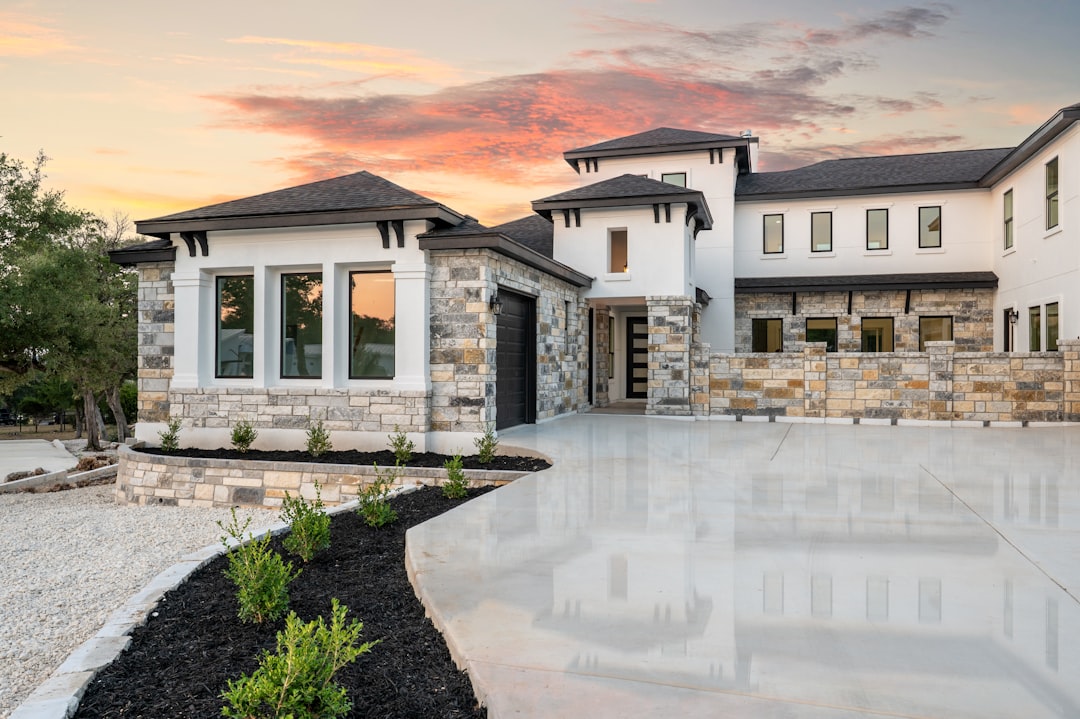

This article examines the principles and practices employed by ASD4Design in the creation of energy-efficient modern homes within the Richmond, Virginia metropolitan area. It explores the firm’s rationale for prioritizing sustainability and the strategies implemented to achieve lasting occupant comfort.
The Imperative of Energy Efficiency
The construction industry significantly contributes to global energy consumption and greenhouse gas emissions. In the context of residential building, traditional construction often leads to substantial energy waste through inadequate insulation, inefficient HVAC systems, and poor building envelopes. This not only impacts the environment but also imposes ongoing financial burdens on homeowners.
Environmental Impact of Conventional Housing
Conventional homes often operate as energy sieves, allowing conditioned air to escape and unconditioned air to infiltrate. This necessitates constant operation of heating and cooling systems, leading to higher energy consumption. The energy demands translate into increased reliance on fossil fuels, contributing to air pollution and climate change. Furthermore, the embodied energy of building materials, from their extraction to transportation and manufacturing, adds to the environmental footprint of a structure.
Economic Benefits for Homeowners
Energy-efficient homes offer tangible economic advantages. Reduced utility bills constitute a primary benefit, providing long-term savings that can offset initial design and construction costs. Furthermore, such homes often command higher resale values dueing to their lower operating expenses and enhanced comfort. Government incentives, such as tax credits or rebates for energy-efficient upgrades, can further reduce the financial barrier to entry for these homes. The “total cost of ownership” perspective, which fully accounts for these operating costs, demonstrates the long-term financial prudence of energy-efficient design.
Regulatory Landscape and Future Trends
Building codes and regulations are increasingly incorporating energy performance standards. Jurisdictions are implementing more stringent requirements for insulation levels, window U-values, and HVAC system efficiencies. Early adoption of these principles allows builders and designers to stay ahead of regulatory curves. Anticipated future trends include further emphasis on renewable energy integration, smart home technologies for optimized energy management, and a greater focus on occupant health and well-being in design.
In the pursuit of creating energy-efficient modern homes in Richmond, VA, ASD4Design emphasizes the importance of sustainability and long-term comfort in their architectural approach. By integrating innovative design principles with eco-friendly materials, they ensure that homes not only reduce energy consumption but also provide a comfortable living environment year-round. A related article that explores the seamless connection between indoor and outdoor spaces is available at Designing Outdoor Living Spaces That Extend the Home, which highlights how thoughtful outdoor designs can enhance overall home efficiency and livability.
ASD4Design’s Foundational Principles
ASD4Design approaches residential design with a core philosophy centered on minimizing environmental impact while maximizing occupant comfort and operational efficiency. This philosophy is not merely an add-on; it forms the bedrock of their design process.
Integrated Design Process
ASD4Design employs an integrated design process, where all project stakeholders – architects, engineers, contractors, and clients – collaborate from the project’s inception. This collaborative approach ensures that energy efficiency considerations are woven into every decision, from site selection to material specification. Early integration prevents costly retrofits and facilitates optimal performance. It’s akin to a symphony, where each instrument plays its part in creating a harmonious whole, rather than each attempting to play a different tune.
Passive Design Strategies
The firm prioritizes passive design strategies, which leverage natural forces to regulate indoor temperatures and lighting. This includes optimizing building orientation to maximize solar gain in winter and minimize it in summer, strategic placement of windows and overhangs, and the utilization of natural ventilation.
Solar Orientation and Shading
Proper solar orientation is fundamental. Homes are designed with larger windows on south-facing facades to capture winter sun, while minimizing glazing on east and west facades, which receive harsh morning and afternoon sun. Strategically placed overhangs, pergolas, and deciduous trees provide shade during warmer months, acting as natural parasols for the building.
Natural Ventilation and Cross-Ventilation
Design encourages natural airflow through the building, reducing the need for mechanical cooling. Operable windows on opposing sides of a room create opportunities for cross-ventilation, effectively purging warm air and drawing in cooler air. Stack ventilation, utilizing taller spaces and strategically placed vents, also plays a role in facilitating airflow.
Thermal Mass Utilization
High thermal mass materials, such as concrete or masonry walls, absorb and store heat during the day, releasing it slowly at night. This moderates indoor temperature fluctuations, reducing the demand on heating and cooling systems. The building acts as a battery, storing thermal energy for later use.
High-Performance Building Envelope
The building envelope acts as the barrier between the conditioned interior and the unconditioned exterior. ASD4Design focuses on creating a robust, airtight, and well-insulated envelope to minimize heat transfer.
Advanced Insulation Techniques
Beyond standard insulation, ASD4Design specifies high-performance insulation materials and techniques. This includes continuous insulation systems, which eliminate thermal bridging through structural members, and often exceeds minimum R-values mandated by building codes. Techniques like spray foam insulation and rigid exterior insulation are commonly employed.
Air Sealing and Blower Door Testing
Air leakage through cracks and gaps in the building envelope can account for a significant portion of energy loss. ASD4Design implements rigorous air sealing strategies, using specialized tapes, sealants, and membranes. Blower door testing is conducted at various stages of construction to identify and rectify air leakage pathways, ensuring an exceptionally tight envelope. This is a crucial step; even the best insulation is compromised if air can bypass it.
High-Performance Windows and Doors
Windows and doors are often weak points in the building envelope. ASD4Design specifies high-performance windows with low-emissivity (low-e) coatings, inert gas fills (argon or krypton), and thermally broken frames. These features minimize heat transfer and reduce condensation.
Strategic Systems Integration
Beyond the passive measures, ASD4Design meticulously integrates active systems to further enhance energy efficiency and occupant comfort. The synergy between passive and active systems is key to achieving optimal performance.
Efficient HVAC Systems
Heating, ventilation, and air conditioning (HVAC) systems are among the largest energy consumers in a home. ASD4Design prioritizes high-efficiency systems tailored to the specific needs of each project.
Geothermal Heating and Cooling
Where feasible, geothermal heat pumps are a preferred choice. These systems leverage the stable temperature of the earth to provide highly efficient heating and cooling, significantly reducing operating costs and carbon emissions. They are essentially tapping into the earth’s natural thermostat.
High-Efficiency Furnaces and Air Conditioners
For projects where geothermal is not viable, ASD4Design specifies high-efficiency furnaces with AFUE (Annual Fuel Utilization Efficiency) ratings exceeding 90% and air conditioners with SEER (Seasonal Energy Efficiency Ratio) ratings above 16. These systems utilize advanced technologies to minimize energy consumption.
Zoned HVAC Systems
Zoned HVAC systems allow for independent temperature control in different areas of the home, preventing the conditioning of unoccupied spaces. This granular control reduces energy waste and enhances individual comfort.
Renewable Energy Integration
The incorporation of on-site renewable energy generation further reduces reliance on the grid and contributes to a home’s net-zero potential.
Photovoltaic (PV) Solar Panels
Photovoltaic solar panels are a common addition, generating clean electricity directly from sunlight. ASD4Design designs PV systems to meet a portion, or even all, of a home’s electricity needs, depending on site conditions and client goals.
Solar Thermal Hot Water Heaters
Solar thermal systems utilize solar energy to heat water for domestic use, significantly reducing the energy required for water heating, which is often a substantial energy load in homes.
Smart Home Technology for Energy Management
Integrating smart home technologies allows for greater control and optimization of energy consumption.
Programmable and Smart Thermostats
Programmable thermostats allow for scheduled temperature adjustments, while smart thermostats learn occupant habits and optimize heating and cooling schedules, often connecting to real-time weather data.
Integrated Energy Monitoring Systems
Energy monitoring systems provide homeowners with real-time data on their energy consumption, allowing them to identify energy hogs and make informed decisions about their usage patterns. This empowers homeowners to become active participants in their home’s energy performance.
Automated Lighting and Shading Systems
Automated lighting systems, often with occupancy sensors and daylight harvesting capabilities, reduce unnecessary lighting use. Automated shading systems can respond to solar conditions, blocking unwanted solar gain and improving comfort.
The Long-Term Comfort Equation
Beyond mere energy savings, ASD4Design understands that a truly high-performance home delivers superior occupant comfort and health. The design choices are not solely about energy metrics but also about the human experience within the built environment.
Consistent Indoor Temperature
The robust building envelope and efficient HVAC systems contribute to a more stable and consistent indoor temperature. Gone are the drafts and hot/cold spots often found in conventional homes. This consistent thermal environment reduces stress on occupants and improves overall well-being.
Superior Indoor Air Quality
Energy-efficient homes, particularly those with tight envelopes, can experience enhanced indoor air quality. However, this requires careful attention to ventilation.
Mechanical Ventilation with Heat Recovery
ASD4Design often incorporates mechanical ventilation systems, such as Energy Recovery Ventilators (ERVs) or Heat Recovery Ventilators (HRVs). These systems provide a continuous supply of fresh, filtered air while recovering a significant portion of the energy from the exhausted stale air, maintaining indoor air quality without significant energy penalty.
Low-VOC Materials
The specification of low-VOC (Volatile Organic Compound) paints, finishes, and building materials minimizes the release of harmful chemicals into the indoor environment, further contributing to improved air quality.
Reduced Noise Pollution
A well-sealed and insulated building envelope acts as a barrier against external noise, creating a quieter and more serene indoor environment. This acoustic comfort is a subtle but significant factor in overall well-being. The home becomes a sanctuary from the often-noisy outside world.
Enhanced Natural Light
While strategically managing solar gain, ASD4Design also prioritizes ample natural light. Properly placed windows and carefully considered interior layouts maximize daylight penetration, reducing the need for artificial lighting and improving occupant mood and productivity.
In the pursuit of creating energy-efficient modern homes in Richmond, VA, ASD4Design emphasizes sustainability and long-term comfort as core principles of their design philosophy. Their commitment to these values is evident in their innovative approach, which not only reduces environmental impact but also enhances the quality of life for residents. For those interested in learning more about how sustainable design can transform living spaces, a related article can be found here: Designing Energy-Efficient Homes. By integrating eco-friendly materials and energy-efficient systems, ASD4Design ensures that homes are not only aesthetically pleasing but also comfortable and cost-effective in the long run.
Why Richmond, VA? ASD4Design’s Local Context
Richmond, Virginia, presents a specific climate challenge with its hot, humid summers and moderately cold winters. This climate profile necessitates a nuanced approach to energy-efficient design, and ASD4Design’s expertise is tailored to these local conditions.
Climate-Specific Design Solutions
The firm’s designs are inherently responsive to Richmond’s climate. Strategies for managing humidity, preventing condensation, and optimizing solar performance are specifically adapted to the region’s weather patterns. For instance, advanced moisture management details are critical in a humid climate.
Local Material Sourcing and Partnerships
ASD4Design prioritizes sourcing materials locally where possible, reducing the embodied energy associated with transportation. They also cultivate relationships with local contractors and suppliers who share their commitment to quality and sustainable building practices. This supports the local economy and ensures familiarity with the regional construction landscape.
Adapting to Urban and Suburban Environments
ASD4Design’s portfolio includes projects across Richmond’s diverse fabric, from dense urban infill lots to more expansive suburban properties. Their design approach adapts to these varying contexts, always maintaining the core principles of energy efficiency and comfort. This flexibility allows them to navigate zoning regulations and site-specific constraints effectively.
Conclusion
ASD4Design’s commitment to designing energy-efficient modern homes in Richmond, VA, is rooted in a comprehensive approach that prioritizes sustainability and long-term occupant comfort. By integrating thoughtful passive design strategies, high-performance building envelopes, advanced mechanical systems, and renewable energy solutions, the firm consistently delivers homes that are not only aesthetically pleasing but also environmentally responsible and economically advantageous. The firm’s work demonstrates that truly modern housing transcends superficial aesthetics, offering a foundational commitment to performance, health, and a reduced ecological footprint. For discerning homeowners, this approach represents a responsible investment in their present comfort and the future well-being of the planet.
FAQs
What are the key features of energy-efficient modern homes in Richmond, VA?
Energy-efficient modern homes in Richmond, VA typically include high-performance insulation, energy-efficient windows and doors, advanced HVAC systems, and the use of renewable energy sources such as solar panels. These features help reduce energy consumption and lower utility bills while maintaining indoor comfort.
Why does ASD4Design prioritize sustainability in their home designs?
ASD4Design prioritizes sustainability to minimize environmental impact, reduce energy costs for homeowners, and promote healthier living environments. Sustainable design also ensures that homes remain comfortable and efficient over the long term, aligning with both ecological responsibility and client satisfaction.
How does ASD4Design ensure long-term comfort in their energy-efficient homes?
ASD4Design ensures long-term comfort by incorporating advanced building materials, proper insulation, and smart climate control systems. They focus on creating homes that maintain consistent indoor temperatures, improve air quality, and reduce noise, which contributes to a comfortable living environment year-round.
What benefits do homeowners in Richmond, VA gain from energy-efficient home designs?
Homeowners benefit from lower energy bills, increased property value, improved indoor air quality, and reduced environmental footprint. Energy-efficient homes also provide enhanced comfort and durability, making them a smart investment for the future.
Are there any local incentives in Richmond, VA for building energy-efficient homes?
Yes, Richmond, VA offers various incentives such as tax credits, rebates, and grants for energy-efficient home construction and renewable energy installations. These programs encourage sustainable building practices and help offset initial costs for homeowners and builders.