

Richmond homeowners often grapple with limited living space. A frequently overlooked resource for expanding this footprint is the garage. Garage conversions offer a practical solution for increasing square footage without the financial and logistical complexities of an addition. This article explores various design ideas for transforming garages in Richmond homes, focusing on how ASD4Design can assist throughout the process.
The decision to convert a garage typically stems from a need for additional functional space. Understanding these common motivations can inform design choices.
Home Office
The rise of remote work has created a demand for dedicated office spaces. A garage provides a separate, quiet environment conducive to productivity.
- Noise Isolation: Garages, often detached or with robust construction, offer an inherent advantage in noise reduction compared to repurposing a bedroom.
- External Access: In some cases, a garage can be designed with a separate entrance, allowing clients or colleagues to access the office directly without entering the main residence.
- Integrated Storage: Garage conversions for offices can incorporate custom cabinetry and shelving, leveraging the typically larger footprint for extensive storage of documents and equipment.
Additional Bedroom or Guest Suite
Expanding a home’s sleeping capacity is a prevalent reason for conversion. This can accommodate growing families or provide comfortable lodging for visitors.
- En-suite Bathroom Integration: Incorporating a small bathroom or shower room significantly enhances the functionality of a guest suite, providing privacy and convenience.
- Accessibility Considerations: For elderly relatives or guests with mobility issues, a ground-floor bedroom in a converted garage can be a valuable asset, especially if the main residence has stairs.
- Natural Light Optimization: Garages often lack sufficient natural light. Strategic placement of windows, skylights, or light tubes becomes crucial to create a welcoming bedroom environment.
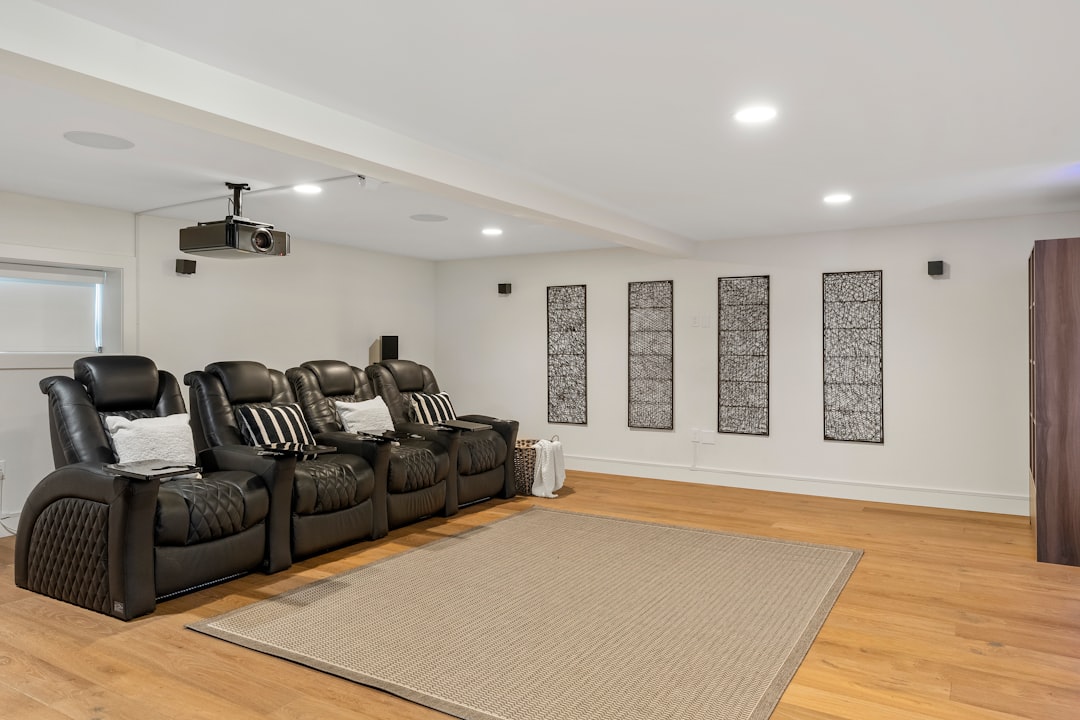
Entertainment or Media Room
A dedicated space for leisure activities can enhance a home’s appeal and functionality. Garages, with their typically rectangular shape, offer adaptable platforms for these designs.
- Acoustic Treatment: For media rooms, the inherent separation of a garage allows for more effective acoustic treatment, minimizing sound bleed into the main house and enhancing the viewing or listening experience.
- Darkening Capabilities: Garages often lack numerous windows, making them easier to darken for optimal projection or television viewing. Blackout blinds or curtains become effective solutions.
- Integrated Bar or Snack Area: A small wet bar or concession stand can elevate the entertainment experience, offering refreshments without needing to access the main kitchen.
Home Gym
Eliminating the need for a separate gym membership or creating a convenient personal workout space are strong motivators for a garage gym conversion.
- Reinforced Flooring: Heavy gym equipment may necessitate reinforcing the existing concrete slab or installing specialized flooring to withstand impact and weight.
- Ventilation Systems: Exercise generates heat and perspiration. Adequate ventilation, such as exhaust fans or strategically placed windows, is essential to maintain comfortable air quality.
- Mirror Placement: Large wall-mounted mirrors are not only functional for checking form but also create a sense of expanded space in a typically compact area.
If you’re considering transforming your garage into a functional living space, you might find inspiration in the article on Garage Conversion Design Ideas for Richmond Homes. ASD4Design can help you unlock unused square footage by providing expert guidance and innovative design solutions tailored to your needs. Their team understands the unique challenges of garage conversions and can assist you in creating a space that enhances your home’s value and livability. To learn more about how they can assist you, visit ASD4Design today.
Secondary Dwelling Unit (ADU)
In jurisdictions like Richmond, where zoning permits, converting a garage into an accessory dwelling unit can generate rental income or provide independent living for family members.
- Kitchenette and Bathroom: An ADU requires a compact but fully functional kitchen and a complete bathroom to be self-sufficient.
- Separate Utilities: Depending on local codes, separate utility meters for electricity, water, and gas may be required for independent billing and usage tracking.
- Private Entrance and Outdoor Space: A dedicated entrance and potentially a small private patio or garden area enhance the autonomy and desirability of an ADU.
If you’re considering a garage conversion for your Richmond home, exploring innovative design ideas can help you maximize your space effectively. A related article on designing outdoor living spaces can provide valuable insights into how to extend your home’s functionality and aesthetic appeal. By collaborating with ASD4Design, you can unlock unused square footage and transform your garage into a beautiful, practical area that complements your lifestyle. For more inspiration, check out this article on designing outdoor living spaces that extend the home.
Key Design Considerations for Richmond Garage Conversions
Successful garage conversion goes beyond simply repurposing a room. It involves addressing specific architectural and practical challenges.
Foundation and Structural Integrity
The existing garage structure serves as the foundation for the new living space. A thorough assessment is paramount.
- Load-Bearing Walls: Determining which walls are load-bearing affects potential modifications for windows, doors, or open-plan designs.
- Slab Condition: The concrete slab might require significant work, such as leveling, insulation, or even full replacement, especially if cracking or moisture penetration is present.
- Roofs and Ceilings: The existing roof structure needs to be evaluated for its ability to support additional weight, such as insulation or new finishes. Ceiling height can also be a limiting factor.
Insulation and Climate Control
Richmond’s climate necessitates robust insulation and efficient climate control systems to ensure comfort and energy efficiency.
- Wall and Ceiling Insulation: Garages are often poorly insulated. Adding adequate insulation to walls and ceilings is crucial for maintaining comfortable indoor temperatures and reducing energy bills.
- Floor Insulation: Insulating the floor, especially if it’s a concrete slab, prevents heat loss in winter and maintains a more consistent temperature.
- HVAC Integration: Connecting the converted space to the existing HVAC system or installing a separate mini-split unit ensures effective heating and cooling.
Natural Light and Ventilation
Garages typically have limited natural light and ventilation. Integrating these elements is vital for creating a pleasant and healthy living environment.
- Window Placement: Strategic window placement can maximize natural light, taking into account sun exposure and privacy.
- Skylights and Light Tubes: These can introduce overhead light, especially in areas where traditional windows are not feasible due to privacy or structural constraints.
- Cross-Ventilation: Designing for cross-ventilation through strategically placed windows or vents helps in air circulation and reduces reliance on mechanical cooling.
Plumbing and Electrical Upgrades
Converting a garage into a habitable space almost always requires significant plumbing and electrical modifications.
- New Circuits: The existing electrical panel may need upgrading to accommodate new outlets, lighting, and appliances in the converted space.
- Dedicated Plumbing Lines: For bathrooms or kitchenettes, new water supply and drainage lines will need to be run, potentially tying into the home’s existing system or requiring independent connections.
- Permit Requirements: All plumbing and electrical work must adhere to local building codes and often requires permits and inspections.
Aesthetics and Integration with Existing Home
The goal is to seamlessly integrate the converted garage with the rest of the house, both internally and externally.
- Exterior Matching: Matching exterior materials, such as siding, roofing, and window styles, helps the conversion blend with the existing home’s aesthetic, avoiding a “boxy” or tacked-on appearance.
- Interior Flow: Ensuring smooth transitions in flooring, paint colors, and trim materials between the converted garage and the main house creates a cohesive internal design.
- Landscaping: Thoughtful landscaping around the converted garage can enhance curb appeal and further integrate the new space into the property.
Permitting and Regulations in Richmond
Navigating Richmond’s building codes and zoning ordinances is a critical initial step. Neglecting this can lead to costly delays or necessitate undoing completed work.
Zoning Restrictions
Local zoning laws dictate what types of conversions are permissible in specific residential areas.
- Residential Use: Ensure the proposed conversion aligns with the permitted residential use for your specific zone.
- Occupancy Limits: Zoning may impose limits on the number of occupants or dwelling units allowed on a single property.
- Setbacks and Lot Coverage: Exterior modifications must adhere to setback requirements and overall lot coverage limitations.
Building Codes and Requirements
Richmond’s building codes govern the safety and structural integrity of all construction projects.
- Life Safety: This includes egress requirements (exits), smoke detectors, and carbon monoxide detectors.
- Structural Adequacy: Ensuring the modified structure can safely support its intended use.
- Energy Efficiency: Adherence to energy efficiency standards for insulation, windows, and HVAC systems.
Permit Application Process
A detailed application and documentation are typically required before construction can begin.
- Architectural Plans: Detailed drawings outlining the proposed changes, including floor plans, elevations, and structural details.
- Engineering Reports: If structural modifications are significant, a professional engineer’s report may be required.
- Inspection Stages: Various inspections are conducted throughout the construction process to ensure compliance with approved plans and codes.
How ASD4Design Can Help Unlock Unused Square Footage

ASD4Design offers a systematic approach to garage conversions, guiding Richmond homeowners through each phase of the project.
Initial Consultation and Feasibility Study
The process begins with an assessment of the existing garage and the client’s objectives.
- Site Visit and Assessment: An ASD4Design professional will visit the property to evaluate the garage’s current condition, structural integrity, and potential for conversion.
- Code Review: Thorough research into Richmond’s specific zoning and building codes applicable to the property and proposed conversion.
- Conceptual Design and Budget Estimate: Preliminary design ideas are discussed, and a preliminary budget range is provided, allowing homeowners to understand the financial implications.
Architectural Design and Planning
Developing detailed plans that meet both aesthetic and regulatory requirements.
- Detailed Floor Plans and Elevations: Comprehensive drawings illustrating the layout, dimensions, and visual aspects of the converted space.
- Material Selection and Finishes: Guidance on selecting appropriate materials for flooring, walls, lighting, and fixtures that align with the homeowner’s vision and budget.
- 3D Renderings: Visualizations that help homeowners conceptualize the transformed space before construction begins. This “digital blueprint” mitigates surprises.
Permit Acquisition and Project Management
Navigating the administrative aspects and overseeing the construction process.
- Permit Application Submission: ASD4Design prepares and submits all necessary documentation to the City of Richmond permitting department. This helps to fluidly transition from concept to approval.
- Coordination with Contractors: While ASD4Design does not perform construction directly, we can assist in coordinating with qualified Richmond contractors, providing technical plans and addressing queries.
- Construction Oversight (Consultation Role): ASD4Design can provide consultation during the construction phase, offering technical advice and ensuring adherence to the approved plans and design intent.
Post-Conversion Review
Ensuring client satisfaction and addressing any final considerations.
- Final Walkthrough: A comprehensive review of the completed space to confirm all specifications and design elements have been met.
- Addressing Punch List Items: Any minor adjustments or touch-ups are identified and addressed.
- Guidance on Maintenance: Providing advice on maintaining the new space to preserve its longevity and functionality.
By systematically addressing these design considerations and navigating the regulatory landscape, Richmond homeowners can effectively transform their underutilized garages into valuable, functional living spaces. ASD4Design serves as a guide through this complex process, providing the architectural and planning expertise needed to realize these conversions.
FAQs
What are some popular garage conversion design ideas for Richmond homes?
Popular garage conversion design ideas for Richmond homes include creating additional living spaces such as home offices, guest bedrooms, playrooms, or rental units. Homeowners often incorporate large windows for natural light, insulation for comfort, and modern flooring to match the rest of the house.
How can converting a garage add value to a Richmond property?
Converting a garage can increase a home’s usable square footage, making it more attractive to potential buyers. It can provide extra bedrooms or living areas, which often leads to a higher resale value. Additionally, well-designed conversions can improve the overall aesthetic and functionality of the home.
What are the typical steps involved in a garage conversion project?
The typical steps include assessing the garage structure, obtaining necessary permits, designing the new space, upgrading insulation and electrical systems, installing flooring and drywall, and finishing with paint and fixtures. It’s important to ensure the space meets local building codes and zoning regulations.
How can ASD4Design assist with garage conversions in Richmond?
ASD4Design specializes in maximizing unused square footage through thoughtful design and planning. They provide expert consultation, customized design solutions, and project management to ensure the garage conversion meets the homeowner’s needs and complies with local regulations, resulting in a functional and attractive new space.
Are there any restrictions or permits required for garage conversions in Richmond?
Yes, garage conversions in Richmond typically require permits from the local building department. Restrictions may include zoning laws, minimum parking requirements, and building codes related to safety and structural integrity. It is essential to consult with professionals like ASD4Design to navigate these requirements properly.