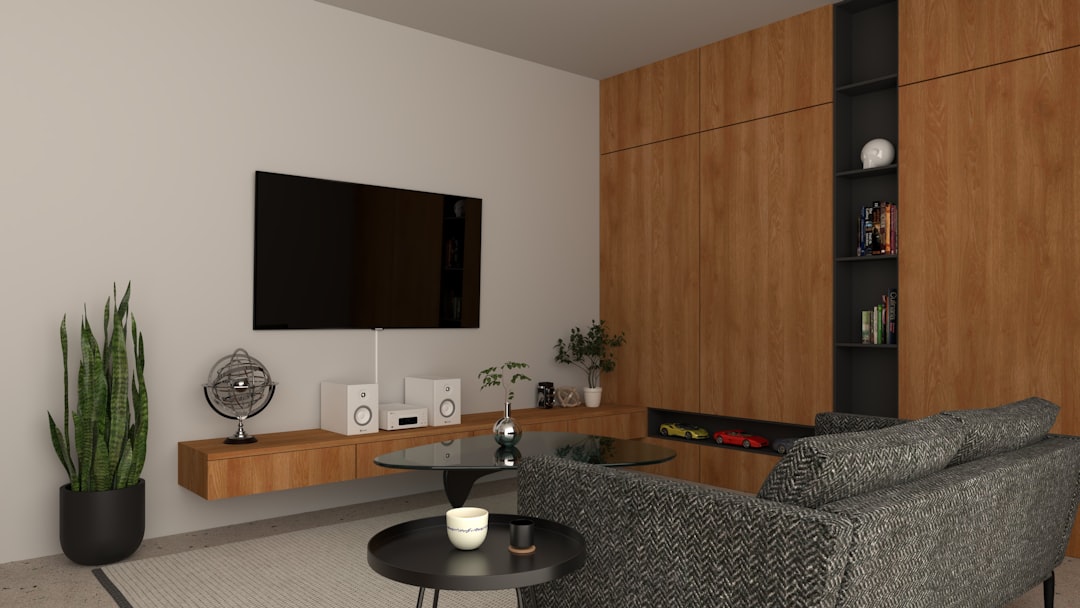


Hiring a residential architect in Richmond, Virginia, is a significant decision for any homeowner embarking on a construction or renovation project. An architect serves as a guide through the complex landscape of design, permitting, and construction. They are more than just drafters; they are problem-solvers, creative thinkers, and project managers who translate your vision into a habitable structure. Their expertise can help you navigate local zoning ordinances, building codes, and construction challenges, ultimately saving you time, money, and stress.
The Value Proposition of Professional Architectural Design
Many homeowners initially perceive architectural fees as an additional cost rather than an investment. However, a well-designed home offers long-term benefits that often outweigh the initial expense. An architect can optimize space utilization, enhance natural light, improve energy efficiency, and create a cohesive aesthetic that increases property value. Consider the architect as an interpreter between your desires and the tangible reality of construction. Without this translation, miscommunications and costly revisions can become frequent stumbling blocks.
Differentiating Architects from Other Building Professionals
It is crucial to understand the distinct role of an architect compared to general contractors, interior designers, or design-build firms. An architect is a licensed professional with specialized education in building design, structural integrity, and material science. Their primary responsibility is the design of the building, ensuring it is safe, functional, and aesthetically pleasing. While a general contractor manages the construction process, an interior designer focuses on internal finishes, and a design-build firm combines both design and construction under one umbrella. Each professional plays a vital, yet distinct, role in the larger project.
When considering a home renovation or new construction, homeowners in Richmond, VA should be well-informed before hiring an architect. An insightful article from Residential Architect titled “What Homeowners Should Know Before Hiring” outlines essential tips for selecting the right professional for your project. To further enhance your design experience, ASD4Design can help you design smarter from day one, ensuring that your vision is realized efficiently and effectively. For more information about their services, visit ASD4Design.
Key Considerations Before Engaging a Residential Architect
Before you begin interviewing architects in Richmond, several preliminary steps can streamline the process and help you select the right professional for your project. A clear understanding of your needs and expectations will act as a compass, guiding you toward a suitable partner.
Defining Your Project Scope and Budget
Before approaching an architect, clearly define the scope of your project. Are you planning a new custom home, a significant addition, a major renovation, or a smaller remodeling project? Each type of project requires different levels of architectural involvement. Equally important is establishing a realistic budget. Your budget will influence design choices, material selections, and the overall scale of the project. Be prepared to discuss your financial parameters openly and honestly with prospective architects. This clarity helps them tailor their services and provides a foundation for realistic expectations.
Researching Architects and Their Portfolios
Richmond, like any metropolitan area, has a diverse pool of residential architects. Begin your search by researching local firms and individual practitioners. Websites, professional organizations like the American Institute of Architects (AIA) Virginia, and local builder associations are good starting points. Review their portfolios to assess their design aesthetic and experience with projects similar to yours. Pay attention to the quality of their past work, their understanding of different architectural styles, and their ability to work within various site constraints. An architect’s portfolio is a window into their design philosophy and technical capabilities.
Understanding Architectural Fee Structures
Architectural fees can be structured in several ways: fixed fees, hourly rates, or a percentage of the construction cost. Fixed fees provide predictability but may require a very well-defined scope. Hourly rates are common for smaller, more ambiguous projects. A percentage of construction cost aligns the architect’s fee with the overall project value but can fluctuate if the project scope changes. Discuss these structures upfront and ensure you understand what is included in each fee model. This transparency prevents surprises down the line, ensuring that both parties are operating with a shared understanding of financial commitments.
The Design Process: From Concept to Completion

The architectural design process is a phased journey, moving from abstract ideas to detailed construction documents. Understanding these phases will help you appreciate the architect’s contribution at each stage and inform your decision-making throughout the project.
Schematic Design: Shaping the Vision
The schematic design phase is where the initial concepts take shape. This is an iterative process of translating your needs and desires into preliminary drawings, sketches, and diagrams. The architect will explore different layouts, massing, and functional relationships, considering site conditions, zoning requirements, and your aesthetic preferences. This stage is akin to sketching the broad outlines of a painting before adding details. Open communication and feedback are paramount during schematic design, as this is the opportunity to refine the fundamental direction of the project.
Design Development: Refining the Details
Once the schematic design is approved, the project moves into design development. Here, the architect refines the approved concepts, incorporating more detailed information about materials, structural systems, and building components. They will begin to specify window types, door schedules, roofing materials, and exterior finishes. This phase involves a deeper dive into the technical aspects of the design, ensuring that the aesthetic vision can be practically realized. Think of this as adding color and texture to the initial sketch, bringing more clarity and definition to the overall composition.
Construction Documents: The Blueprint for Building
Construction documents are the comprehensive set of drawings and specifications that contractors use to build your home. This phase transforms the refined design into detailed blueprints, including floor plans, elevations, sections, and structural details. These documents also include specifications for materials, finishes, and equipment, providing a precise roadmap for construction. This phase is critical for obtaining building permits and ensuring that the project adheres to all local codes and regulations. The construction documents are the orchestra’s sheet music, providing precise instructions for every instrument to play in harmony.
Construction Administration: Guidance Through Execution
While the architect’s primary role is design, many firms offer construction administration services. In this phase, the architect acts as your representative during the construction process, making periodic site visits to observe the progress and ensure that the work is performed in accordance with the construction documents. They can also assist with reviewing contractor pay applications, addressing unforeseen site conditions, and facilitating communication between you and the contractor. This oversight provides an invaluable layer of quality control and helps to mitigate potential issues during the building phase.
ASD4Design: Designing Smarter from Day One
ASD4Design, a residential architecture firm based in Richmond, VA, emphasizes a systematic and client-centric approach to design. Our philosophy centers on understanding client needs comprehensively before applying design solutions, facilitating a smoother project trajectory from inception.
Our Approach to Client Collaboration and Communication
At ASD4Design, we believe that successful projects are built on a foundation of clear communication and active collaboration. We view each project as a partnership, where the homeowner’s insights are as valuable as our design expertise. From the initial consultation, we establish open lines of communication, ensuring that you are informed and involved at every stage. We utilize visual aids, 3D modeling, and regular meetings to articulate design concepts and solicit feedback, fostering an iterative design process that truly reflects your aspirations. Consider us as your co-pilots, navigating the complexities of design with you in the command seat.
Leveraging Technology for Efficient Design and Visualization
ASD4Design integrates advanced architectural software and visualization tools into our design process. We utilize Building Information Modeling (BIM) to create detailed 3D models of your project, allowing for better spatial understanding, clash detection, and more accurate material take-offs. This technology enables you to virtually explore your future home before construction even begins, making informed decisions about layouts, finishes, and overall aesthetics. This technological integration acts as a powerful telescope, providing a clear view of your future home before the first brick is laid.
Focus on Sustainable and Contextual Design Principles
Our design philosophy at ASD4Design extends beyond aesthetics and functionality to encompass sustainability and contextual relevance. We prioritize designs that are energy-efficient, utilize environmentally responsible materials, and minimize their impact on the surrounding environment. We also consider the local architectural vernacular and site-specific characteristics, ensuring that your home integrates seamlessly into the Richmond landscape. This approach ensures that your home is not only beautiful and functional today but also serves as a responsible and resilient structure for generations to come. We believe a home should be a good neighbor, both to its occupants and its environment.
When considering a residential architect in Richmond, VA, homeowners should be well-informed before making a hiring decision. A related article titled “What Homeowners Should Know Before Hiring” offers valuable insights into the selection process and highlights the importance of finding a professional who aligns with your vision. ASD4Design can assist you in designing smarter from day one, ensuring that your project runs smoothly and meets your expectations. To explore their impressive portfolio and see how they can bring your ideas to life, visit ASD4Design’s portfolio for inspiration and guidance.
The Benefits of Professional Architectural Intervention
| Metric | Description | ASD4Design Advantage |
|---|---|---|
| Experience in Richmond VA | Years of local residential architecture expertise | Over 15 years specializing in Richmond area homes |
| Design Customization | Ability to tailor home designs to client needs and site specifics | Personalized design solutions integrating client lifestyle and local codes |
| Energy Efficiency | Incorporation of sustainable and energy-saving features | Smart design strategies to reduce energy consumption from day one |
| Project Timeline | Average duration from concept to completion | Streamlined process ensuring timely delivery and milestones |
| Client Communication | Frequency and clarity of updates during the design process | Regular consultations and transparent progress tracking |
| Budget Management | Ability to design within homeowner’s financial constraints | Cost-effective planning to maximize value without compromising quality |
| Technology Integration | Use of modern design tools and software | Advanced 3D modeling and virtual walkthroughs for smarter decisions |
Engaging a residential architect offers a multitude of benefits that extend beyond the immediate construction phase. These advantages contribute to the long-term enjoyment, efficiency, and value of your home.
Maximizing Property Value and Resale Potential
A thoughtfully designed home by a qualified architect can significantly enhance its market appeal and resale value. Architects bring an understanding of current design trends, efficient layouts, and desirable features that resonate with buyers. Their expertise can transform a generic house into a distinctive home, a critical factor in a competitive real estate market. An architect acts as a craftsman, polishing a raw gem into a brilliant jewel, increasing its intrinsic and market value.
Enhancing Functionality and Livability
Beyond aesthetics, architects are skilled at optimizing space for functionality and livability. They consider how you and your family will interact with each space, ensuring seamless transitions, efficient workflows, and comfortable living areas. From kitchen layouts that facilitate cooking to bedrooms that promote relaxation, an architect’s design focuses on enhancing your daily experience within the home. They are the choreographers of space, orchestrating movement and interaction for maximum harmony.
Ensuring Code Compliance and Permitting Success
Navigating the labyrinth of building codes, zoning ordinances, and permitting processes can be daunting for homeowners. Architects are well-versed in these regulations and are responsible for designing homes that comply with all applicable standards. Their involvement streamlines the permitting process, reducing delays and potential costly revisions. This expertise acts as a crucial shield, protecting your project from bureaucratic roadblocks and ensuring a smooth journey through regulatory requirements.
Achieving Energy Efficiency and Reducing Operating Costs
Modern architectural design often incorporates principles of energy efficiency, leading to lower utility bills and a reduced environmental footprint. Architects can specify appropriate insulation, fenestration, and HVAC systems, and optimize passive solar gain and natural ventilation. This focus on sustainability not only benefits the environment but also provides tangible financial savings over the lifetime of your home. An architect designs a home that is not just a shelter, but a smart machine, optimizing its energy consumption and contributing to a greener future.
FAQs
What does a residential architect do in Richmond, VA?
A residential architect in Richmond, VA designs and plans homes tailored to the homeowner’s needs, local building codes, and environmental conditions. They create detailed blueprints, oversee construction processes, and ensure the project meets safety and aesthetic standards.
Why is it important to hire a residential architect before starting a home project?
Hiring a residential architect early helps homeowners avoid costly mistakes, ensures efficient use of space, and integrates smart design solutions. Architects provide expert guidance on materials, sustainability, and compliance with Richmond’s zoning laws.
How can ASD4Design assist homeowners in Richmond with their home design?
ASD4Design offers innovative architectural services that focus on smart, efficient design from the beginning. They help homeowners optimize layouts, incorporate energy-efficient features, and streamline the construction process to save time and money.
What should homeowners consider when choosing a residential architect in Richmond?
Homeowners should evaluate an architect’s experience, portfolio, understanding of local regulations, communication skills, and ability to incorporate smart design principles. Checking references and discussing budget expectations are also important.
Are there specific regulations or permits required for residential construction in Richmond, VA?
Yes, residential construction in Richmond requires adherence to local building codes, zoning laws, and obtaining necessary permits. A qualified residential architect will guide homeowners through these requirements to ensure legal compliance and smooth project approval.